




In fluid transport systems, unseen factors such as trapped air can significantly impact efficiency, safety, and operational costs. An Air Release Valve plays a crucial role in maintaining pipeline integrity by automatically removing accumulated air and preventing vacuum conditions. For B2B engineers, contractors, and infrastructure planners, selecting the right air release valve is essential to ensure stable flow, reduce energy consumption, and protect critical assets in water and industrial systems.
What Is an Air Release Valve?
An air release valve is a specialized valve installed in pipeline systems to automatically discharge trapped air during operation and allow air to enter when negative pressure occurs. Air pockets can form during system filling, pump operation, or pressure fluctuations, and if not properly managed, they can disrupt flow and damage equipment.
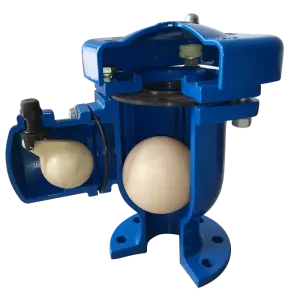
The valve operates through a float mechanism that responds to air accumulation and liquid levels within the chamber. When air collects, the float drops, opening the valve to release air. Once the air is expelled and the chamber fills with liquid, the float rises and closes the valve, ensuring a tight seal.
Typical components include:
● Valve Body – Constructed from ductile iron, cast iron, or stainless steel for strength and durability
● Float Mechanism – Detects air presence and controls valve opening and closing
● Orifice System – Allows controlled release or intake of air
● Sealing Components – Prevent leakage during operation
● Protective Coating – Enhances corrosion resistance in harsh environments
This automatic process ensures continuous system efficiency without manual intervention.
Why Air Management Is Critical in Pipeline Systems
Air may seem insignificant, but its presence in pipelines can cause serious operational issues. Proper air management is essential for maintaining system performance and preventing costly failures.
● Reduced Flow Efficiency – Air pockets restrict the flow of liquids, lowering system capacity
● Increased Energy Consumption – Pumps must work harder to overcome air resistance
● Water Hammer Risks – Sudden pressure changes caused by air movement can damage pipelines
● Corrosion Acceleration – Air exposure can increase oxidation within pipes
● Vacuum Conditions – Negative pressure can cause pipeline collapse or structural damage
By installing air release valves, these risks can be effectively mitigated, ensuring smooth and safe pipeline operation.
Types of Air Release Valves
Different pipeline systems require different types of air valves. Understanding these variations helps in selecting the appropriate solution for specific applications:
● Single Orifice Air Release Valve – Designed to release small amounts of accumulated air during normal operation
● Double Orifice Air Valve – Handles both large air discharge during filling and small air release during operation
● Combination Air Valve – Integrates air release and vacuum protection functions in one unit
● Kinetic Air Valve – Used for rapid air evacuation during pipeline filling or draining
Each type is engineered to address specific operational challenges, ensuring optimal performance under different conditions.
Applications in Industrial and Municipal Systems
Air release valves are widely used in B2B industries where fluid transport efficiency and safety are critical:
● Municipal Water Supply Networks – Maintains consistent water flow and prevents pressure imbalance
● Wastewater Treatment Plants – Eliminates gas buildup and ensures stable system operation
● Irrigation Systems – Improves water distribution efficiency in agricultural pipelines
● Industrial Pipelines – Supports reliable transport of process fluids
● Pump Stations – Prevents air locking and enhances pump performance
Their ability to maintain hydraulic balance makes them essential for modern infrastructure projects.
Key Advantages for B2B Buyers
For procurement specialists and engineers, air release valves offer significant operational and economic benefits:
● Improved System Efficiency – Eliminates air pockets to maintain optimal flow
● Energy Savings – Reduces pump workload and operational costs
● Enhanced Safety – Prevents pressure surges and structural failures
● Automatic Operation – Requires no manual control, reducing labor costs
● Extended Equipment Life – Minimizes wear on pipelines and mechanical components
These advantages contribute to lower total cost of ownership and improved system reliability.
Installation and Maintenance Best Practices
To maximize performance and longevity, proper installation and maintenance are essential:
● Install valves at high points where air naturally accumulates
● Ensure vertical positioning for accurate float operation
● Use isolation valves for easy maintenance access
● Regularly inspect for debris or sediment buildup
● Verify sealing components to prevent leakage
A well-planned maintenance strategy ensures continuous performance and reduces unexpected downtime.
Air Release Valve vs Air/Vacuum Valve
Understanding the distinction between air release valves and air/vacuum valves helps in proper system design:
● Air Release Valve – Continuously releases small amounts of trapped air during operation
● Air/Vacuum Valve – Handles large volumes of air during pipeline filling or draining
● Combination Valve – Combines both functions for comprehensive air management
Selecting the right type depends on pipeline size, flow conditions, and system requirements.
Conclusion
An Air Release Valve is a vital component in maintaining the efficiency, safety, and longevity of pipeline systems. By automatically removing trapped air and preventing vacuum conditions, it ensures stable operation and protects infrastructure from damage. For B2B engineers, contractors, and system designers, investing in high-quality air release valves leads to improved performance, reduced maintenance costs, and enhanced operational reliability. As infrastructure systems continue to expand globally, effective air management solutions remain a cornerstone of modern pipeline design.
FAQ
1. What is the main function of an air release valve?
Its primary function is to release trapped air from pipelines and prevent vacuum formation, ensuring smooth fluid flow.
2. Where should air release valves be installed?
They are typically installed at high points in pipelines, near pumps, and in areas where air accumulation is likely.
3. What is the difference between a single orifice and a combination air valve?
A single orifice valve releases small amounts of air continuously, while a combination valve handles both small and large volumes of air.
4. How often should air release valves be maintained?
Maintenance depends on operating conditions, but regular inspection and cleaning are recommended to ensure optimal performance.
Post time: Mar-24-2026