




In many water supply and drainage systems, reduced flow is not always caused by pump failure, pipe blockage, or insufficient pipe size. Sometimes the real problem is air trapped inside the pipeline. Air may enter during filling, maintenance, pressure changes, or normal operation. Once air collects at high points, it can reduce the effective flow area, disturb pressure balance, and make the system perform worse than expected.
An Air Release Valve is used to remove accumulated air from the pipeline during operation. By releasing trapped air automatically, it helps maintain smoother flow, reduce pressure fluctuation, lower unnecessary pump load, and improve long-term pipeline stability.
For water transmission pipelines, municipal networks, pump stations, irrigation systems, and water treatment plants, air control is not a small detail. If air remains inside the pipe for a long time, the system may keep showing problems even though the pump and pipe appear normal.
Air Inside the Pipeline Can Block Water Flow
Air and water behave very differently inside a pipeline. Water fills the pipe and carries pressure, but air tends to gather at high points. When enough air accumulates, it forms an air pocket. This pocket occupies space inside the pipe and reduces the area available for water flow.
The result is often confusing for operators. The pump may be running, the pipeline may not be physically blocked, but the flow still becomes lower than expected.
Common signs include:
- Flow rate drops without a clear mechanical reason;
- Pressure changes irregularly;
- Some pipe sections are difficult to fill completely;
- Water delivery becomes unstable;
- Pump energy consumption increases;
- Noise appears near pipeline high points;
- The system needs repeated manual venting.
When these symptoms appear, the problem may not be the pump capacity. It may be trapped air reducing the pipeline’s real working efficiency.
Why Air Collects at Pipeline High Points
Air naturally moves upward in a water pipeline. If the pipeline has elevation changes, long rising sections, bridges, underground transitions, or uneven terrain, air is more likely to collect at certain high points.
This often happens in:
- Long-distance water transmission pipelines;
- Municipal water distribution networks;
- Pump discharge pipelines;
- Irrigation main lines;
- Water treatment plant pipelines;
- Industrial circulating water systems;
- Drainage pressure pipelines.
Even if the pipeline was fully vented during commissioning, air can still appear later. Dissolved air may separate from water when pressure changes. Maintenance work can also introduce air into the pipeline. This is why air release is not only needed during initial filling, but also during daily operation.
What Happens When Air Is Not Released?
If air is not removed from the pipeline, the system may lose efficiency gradually. At first, the problem may only appear as slight noise or unstable pressure. Over time, air pockets can become larger and affect the whole pipeline section.
Unreleased air may cause:
- Lower flow capacity;
- Increased pressure loss;
- Pump overload or lower efficiency;
- Unstable flow meter readings;
- Pipeline vibration;
- Difficulty during system start-up;
- Uneven water distribution;
- Higher risk of pressure surge during operation changes.
For long pipelines, even a small air pocket can affect a large section of the system. This is why air valves are usually placed at points where air is likely to collect.
How an Air Release Valve Helps During Operation
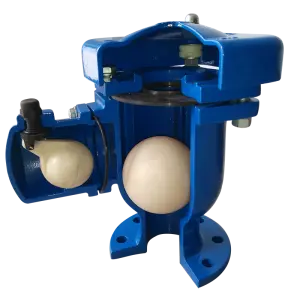
An Air Release Valve works by allowing trapped air to escape from the pipeline while keeping water inside the system. During normal operation, small amounts of air can gradually enter the valve chamber. When air accumulates, the internal float drops and opens the air outlet. After air is released and water returns to the valve chamber, the float rises again and closes the outlet.
This automatic process helps the system:
- Remove accumulated air without repeated manual venting;
- Keep the pipeline flow area clearer;
- Reduce pressure fluctuation;
- Improve pump operating conditions;
- Maintain more stable water transmission;
- Reduce noise caused by trapped air;
- Support long-term pipeline efficiency.
The value of the valve is not only in releasing air once. It helps manage air continuously as the system operates.
Air Release Valve and Pipeline Efficiency
Pipeline efficiency depends on more than pipe diameter and pump power. If air remains inside the system, part of the pump energy is wasted overcoming additional resistance created by air pockets.
This can make the system appear underperforming. Operators may increase pump output or adjust the system, but the real problem is that the pipeline is not flowing as smoothly as designed.
A properly placed air valve can help restore the intended flow path. When trapped air is released, water can pass through the pipeline more evenly, pressure loss can decrease, and the pump may operate under more stable conditions.
In large water networks, this can make a meaningful difference because the pipeline often operates continuously for many years.
Why Manual Venting Is Not Enough
Some pipeline systems rely on manual venting during commissioning or maintenance. Manual venting can help at certain stages, but it is not enough for long-term operation.
There are several reasons:
- Air can continue to accumulate after the system starts;
- Some high points are difficult to access;
- Manual venting depends on operator timing;
- Air problems may appear between inspection periods;
- Long pipelines may have multiple air collection points;
- Repeated manual operation increases maintenance workload.
An Air Release Valve reduces the need for frequent manual intervention. It allows the pipeline to release air automatically when air accumulates, which is especially useful in underground networks, long-distance pipelines, and remote installations.
Where Air Release Valves Are Most Useful
Air release valves are most useful at points where air naturally gathers or where flow stability is easily affected by air pockets.
Common positions include:
- Pipeline high points;
- Long rising pipe sections;
- Pump discharge lines;
- Water transmission pipelines;
- Irrigation main lines;
- Valve chambers;
- Water treatment plant pipelines;
- Pressure pipeline sections with elevation changes;
- System locations where air repeatedly causes unstable flow.
The position matters because the valve can only release air that reaches it. If it is installed away from the actual air collection point, air may remain trapped elsewhere in the system.
Difference Between Air Release and Air/Vacuum Functions
In pipeline systems, different air valves may handle different air problems. An Air Release Valve is mainly used to release small amounts of accumulated air during normal pressurized operation. It is especially useful for removing air pockets that form gradually while the pipeline is running.
An air/vacuum valve, on the other hand, is usually designed to discharge large volumes of air during pipeline filling and admit large volumes of air during draining or vacuum conditions.
A simple distinction:
- Air Release Valve: removes accumulated air during normal operation;
- Air/Vacuum Valve: handles large air discharge and intake during filling or draining;
- Combination Air Valve: may include both functions in one unit.
For many water pipeline projects, these functions may work together. The correct arrangement depends on pipeline profile, operating pressure, filling process, drainage process, and system design.
Clean Water and Irrigation Applications
In clean water and irrigation systems, air release is important because flow stability directly affects water delivery. In irrigation networks, trapped air can reduce water distribution efficiency and affect pressure at different branches. In municipal water supply, air pockets can cause unstable pressure and reduce the reliability of service.
Air release valves are commonly used in:
- Agricultural irrigation main lines;
- Municipal water distribution pipelines;
- Reservoir outlet pipelines;
- Water treatment plant outlet lines;
- Pumped water transmission systems;
- Industrial clean water pipelines.
In these systems, the medium is usually relatively clean, so the main concern is stable air discharge, corrosion protection, and reliable sealing during long-term operation.
Wastewater and Drainage Conditions Need More Attention
Air may also collect in wastewater and drainage pressure pipelines, but these systems are more complicated. Wastewater can contain sediment, fibers, suspended solids, and corrosive gases. These factors may affect the air outlet, float movement, and internal sealing parts.
In wastewater conditions, the valve structure should be suitable for the actual medium. Maintenance access is also more important because impurities may build up over time.
For drainage and wastewater systems, air control still matters because trapped air can affect pumping efficiency and flow stability. However, the valve structure, coating, and internal material should match the working environment.
RMT Air Release Valve for Water Pipeline Systems
RMT provides valves and pipe fittings for water supply, drainage, wastewater, pump stations, and industrial pipeline systems. In pipeline projects where trapped air causes reduced flow, unstable pressure, repeated venting, or pump efficiency problems, an Air Release Valve can be matched with the system pressure, medium condition, flange standard, coating requirement, and installation environment.
For municipal water networks, irrigation systems, treatment plants, pump stations, and industrial water pipelines, stable air discharge helps the system operate closer to its designed performance. The valve should not only fit the pipe size, but also match the actual air accumulation pattern and working conditions of the pipeline.
FAQ
1. What is an Air Release Valve used for?
An Air Release Valve is used to remove trapped air from a pressurized pipeline during normal operation. It helps improve flow stability and reduce air-related pressure problems.
2. Why does air collect in water pipelines?
Air can enter during filling, maintenance, pressure changes, or normal operation. It naturally moves to pipeline high points and may form air pockets if not released.
3. Can trapped air reduce pipeline flow?
Yes. Air pockets occupy space inside the pipe and reduce the effective flow area. This can lower flow capacity, increase pressure loss, and affect pump performance.
4. Where should an Air Release Valve be installed?
It is usually installed at pipeline high points, long rising sections, pump discharge lines, valve chambers, and other locations where air is likely to accumulate.
Conclusion
An Air Release Valve helps solve one of the hidden problems in water pipeline systems: trapped air. When air remains inside the pipeline, it can reduce flow, disturb pressure, increase pump load, and make the system unstable.
For water supply, drainage, irrigation, pump stations, water treatment plants, and industrial water systems, reliable air release helps maintain smoother flow and better long-term pipeline performance. Managing air properly is an important part of keeping the entire water system efficient and stable.
Post time: Jul-23-2026