




A Butterfly Valve is often used in pipeline systems that require regular flow control or frequent isolation. In applications where valves open and close many times throughout the day, the valve seat is exposed to repeated contact with the disc. Over time, this can lead to wear, reduced sealing performance, and unexpected maintenance.
Seat wear is not always caused by poor product quality. Operating frequency, medium characteristics, pressure conditions, installation accuracy, and valve selection can all influence how quickly the sealing surface deteriorates. Understanding these factors helps users choose a more suitable Butterfly Valve and avoid replacing valves before the end of their expected service life.
Why Does Butterfly Valve Seat Wear Occur?
One common cause is excessive contact between the disc and seat. If the valve is operated frequently under unsuitable pressure conditions, the sealing components may experience greater mechanical stress. Incorrect adjustment of an actuator can also cause the disc to press against the seat with unnecessary force.
The medium itself is another important factor. Liquids containing suspended solids, abrasive particles, or chemical substances may accelerate seat deterioration. Particles can become trapped between the disc and seat during closing, preventing uniform contact and potentially damaging the sealing surface.
Temperature changes may also influence seat performance. Some elastomeric materials can become harder, softer, or less resilient when exposed to temperatures outside their suitable operating range. As the material changes, its ability to maintain consistent contact with the disc may decline.
How Frequent Operation Affects Butterfly Valve Sealing
Frequent opening and closing increases the number of contact cycles experienced by the seat. Although a properly selected valve should accommodate its intended operating frequency, continuous cycling can gradually affect sealing components.
The impact depends on how the valve operates. A valve used mainly for full opening and full closing has different operating demands from one that regularly adjusts flow at intermediate positions. In throttling applications, the disc may remain partially open while fluid passes through a restricted area. Depending on flow velocity and medium characteristics, this can create localized turbulence and increase wear near the disc and seat.
Operating pressure also matters. If the pressure difference across the valve is high, the disc and sealing components may experience additional loads. Repeated operation under these conditions can make existing wear more noticeable.
Users should also pay attention to operating speed. An actuator that moves the disc too quickly may cause abrupt movement, pressure fluctuations, or mechanical impact at the end of the closing cycle. These effects can place additional stress on the valve and connected pipeline.
For this reason, choosing a Butterfly Valve for frequent operation requires more than checking whether the valve can open and close. Its design, seat material, actuator settings, and actual operating conditions should be considered together.
Which Butterfly Valve Design Helps Reduce Seat Wear?
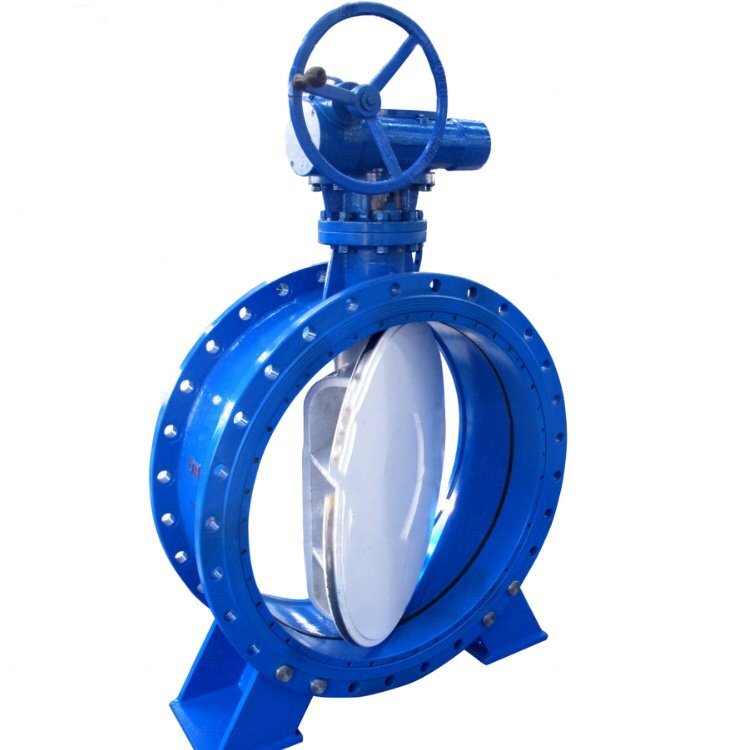
A concentric butterfly valve generally has a simpler structure, with the disc rotating around the central axis of the pipeline. Its sealing performance relies on the interaction between the disc edge and the resilient seat. This design can be suitable for many general-purpose water and low-pressure applications, provided that the operating conditions fall within the product’s specified range.
For more demanding applications, double-offset and triple-offset designs may be considered. Their offset geometry changes how the disc interacts with the seat during opening and closing. In suitable configurations, this can reduce unnecessary rubbing during movement and support reliable sealing under more demanding conditions.
However, a more complex design does not automatically mean longer service life. The selected valve must match the actual operating conditions. For example, using a high-performance valve in a low-pressure general service application may not provide meaningful benefits if the simpler design already meets the system requirements.
When comparing a Butterfly Valve, users should therefore look beyond the valve category. The sealing arrangement, material compatibility, pressure rating, and intended operating cycle are all relevant to long-term performance.
How Media and Operating Conditions Influence Wear
The service life of a valve seat depends heavily on the medium passing through the pipeline. A valve handling clean water may experience different wear patterns from one used in wastewater, slurry, or chemical processing.
Several operating conditions deserve particular attention:
-
Solid particles: Sand, sediment, and other abrasive particles can scratch or damage the seat surface. Particles trapped during closing may also prevent the disc from making consistent sealing contact.
-
Chemical compatibility: Certain chemicals can cause swelling, hardening, or deterioration of elastomeric seat materials. Material selection should be based on the actual medium rather than general application descriptions.
-
Temperature fluctuations: Repeated temperature changes may affect the elasticity and dimensional stability of the seat. The material must be suitable for both normal operating temperatures and expected variations.
-
Pressure differences: High differential pressure can increase the load on the disc and sealing components. The valve should be selected according to the system’s actual pressure conditions.
-
Flow conditions: High flow velocity and turbulence around a partially open disc may contribute to localized wear, particularly when the medium contains abrasive particles.
These factors often occur together. For example, a wastewater pipeline may contain suspended solids while also experiencing frequent pump starts and stops. In this situation, choosing a valve based only on nominal pressure or pipe diameter may overlook the conditions that have the greatest effect on seat life.
What Should Be Checked Before Replacing a Worn Butterfly Valve?
When a valve begins to leak, replacing the entire unit may not always be the first or only solution. The cause of the problem should be identified before selecting a replacement.
First, inspect the seat and disc sealing surfaces. Uneven wear, scratches, deformation, or embedded particles may indicate that the valve has been operating under unsuitable conditions. If the seat is replaceable and the valve body and disc remain in good condition, replacing the seat may be a practical maintenance option.
Next, check the actuator and operating mechanism. Incorrect travel limits, excessive closing force, or misalignment can contribute to repeated stress on the sealing components. If these issues are not corrected, a replacement valve may experience similar problems.
The pipeline should also be examined. Misaligned flanges, excessive external loads, and unsuitable installation conditions can affect the valve body and disc movement. A new valve installed under the same conditions may not solve the original problem.
Before ordering a replacement Butterfly Valve, users should confirm the following:
-
Valve size, pressure rating, and connection requirements.
-
Medium composition, including solids and chemical characteristics.
-
Operating temperature and pressure conditions.
-
Frequency of opening and closing, including whether throttling is required.
-
Seat material and compatibility with the application.
-
Actuator type, control requirements, and available installation space.
This information helps suppliers identify a suitable configuration instead of recommending a product based only on its nominal size.
Butterfly Valve Solutions for Different Pipeline Requirements
Reducing seat wear starts with matching the valve structure and sealing materials to the actual pipeline conditions. Different applications may require different configurations, whether the priority is regular isolation, flow adjustment, or reliable operation under demanding service conditions.
RMT Flowtech offers butterfly valve products for different pipeline applications. When evaluating a suitable Butterfly Valve, users should consider the medium, operating pressure, temperature, connection type, and control requirements together. Providing these details during product selection makes it easier to identify an appropriate valve configuration and avoid problems caused by mismatched operating conditions.
Conclusion
Seat wear is a common concern in butterfly valves that operate frequently, but it is not determined by operating cycles alone. Medium characteristics, pressure differences, temperature, valve design, and actuator settings all influence sealing performance.
Selecting the right Butterfly Valve requires understanding how the valve will be used throughout its service life. By matching the sealing arrangement and materials to the actual application, users can reduce premature wear, improve operating reliability, and make maintenance more predictable.
FAQs
1. Can a butterfly valve be used for frequent opening and closing?
Yes, provided that the valve is designed and selected for the required operating frequency. The actuator, sealing materials, pressure conditions, and duty cycle should all be considered.
2. Does seat wear always mean the entire butterfly valve must be replaced?
No. If the valve body and disc remain in acceptable condition and the design allows seat replacement, replacing the worn seat may restore sealing performance. The valve should be inspected before deciding.
3. Is a butterfly valve suitable for controlling flow at partially open positions?
Some butterfly valves can be used for flow regulation, but suitability depends on the design and operating conditions. High flow velocity or abrasive media may increase wear when the disc remains partially open.
4. How can operators identify early signs of butterfly valve seat damage?
Common signs include increasing leakage when closed, changes in operating torque, irregular actuator movement, and visible damage to the sealing surface during inspection. These symptoms should be investigated before they lead to more serious operating problems.
Post time: Nov-12-2026