




In modern water supply and wastewater infrastructure, controlling trapped air inside pipelines is essential for maintaining system efficiency and safety. A Cast Iron Air Valve plays a critical role in protecting pipelines from pressure fluctuations, air blockage, and potential mechanical damage. For engineers, contractors, and procurement professionals in B2B projects, understanding the function and advantages of cast iron air valves is key to ensuring long-term operational stability.
What Is a Cast Iron Air Valve?
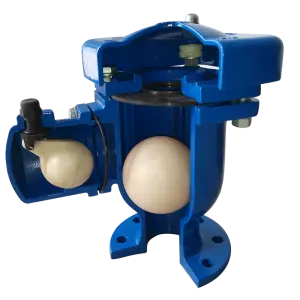
A Cast Iron Air Valve is a mechanical device installed in pipeline systems to automatically release accumulated air or admit air when negative pressure occurs. Manufactured primarily from durable cast iron materials, these valves are widely used in municipal water supply, irrigation networks, pumping stations, and wastewater systems.
The presence of trapped air inside pipelines can significantly reduce flow efficiency and even cause pipe bursts or system failure. Air valves eliminate these risks by maintaining hydraulic balance throughout the pipeline.
Typical structural components include:
● Cast Iron Valve Body – Provides strong mechanical resistance and long service life
● Float Mechanism – Detects air accumulation or pressure changes
● Sealing System – Ensures leak-free performance during operation
● Air Release Orifice – Allows automatic discharge or intake of air
● Protective Coating – Epoxy or anti-corrosion coating for extended durability
The robust construction makes cast iron air valves particularly suitable for underground and large-scale infrastructure projects.
Why Air Control Is Critical in Pipeline Systems
Air may enter pipelines during filling, pump operation, maintenance activities, or pressure variations. Without proper air management, several operational problems can occur:
● Reduced water flow capacity due to air pockets
● Increased energy consumption in pumping systems
● Water hammer effects caused by sudden pressure changes
● Pipeline vibration and noise
● Risk of pipe deformation or collapse under vacuum conditions
A properly installed cast iron air valve continuously regulates internal pressure conditions, improving hydraulic performance and protecting system assets.
Types of Cast Iron Air Valves
Different pipeline environments require different air valve designs. Common types include:
● Single Orifice Air Release Valve
Designed to release small volumes of accumulated air during normal pipeline operation. Ideal for pressurized water transmission systems.
● Double Orifice Air Valve
Combines large air exhaust during pipeline filling with small air release during operation, making it suitable for long-distance pipelines.
● Combination Air Valve
Integrates air release and vacuum protection functions. It expels large air volumes during filling and admits air during pipeline drainage or negative pressure events.
● Kinetic Air Valve
Primarily used for rapid air discharge during system startup or pipeline filling processes.
Selecting the appropriate valve type ensures optimal system protection and efficient performance across varying operational conditions.
Key Applications in Industrial and Municipal Projects
Cast iron air valves are widely used across infrastructure and industrial sectors where pipeline reliability is critical:
● Municipal Water Supply Networks – Maintains stable water transmission efficiency
● Wastewater Treatment Plants – Prevents gas accumulation and pressure imbalance
● Irrigation Systems – Improves flow consistency in agricultural pipelines
● Pump Stations – Protects pumps from air locking and cavitation
● Industrial Process Pipelines – Ensures smooth fluid transport in manufacturing facilities
Their durability and cost-effectiveness make them a preferred choice for large B2B engineering projects.
Advantages of Cast Iron Air Valves for B2B Buyers
From a procurement and lifecycle cost perspective, cast iron air valves provide several important advantages:
● High Structural Strength – Cast iron withstands mechanical stress and external loads
● Long Service Life – Suitable for buried or outdoor installations
● Corrosion Resistance – Internal and external epoxy coatings enhance durability
● Automatic Operation – No manual intervention required
● Energy Efficiency Improvement – Reduces pumping resistance caused by trapped air
● Cost-Effective Solution – Lower investment compared to stainless steel alternatives
These benefits help infrastructure operators minimize downtime while improving system reliability.
Installation and Maintenance Considerations
Correct installation directly impacts air valve performance and lifespan. Recommended practices include:
● Install valves at pipeline high points where air naturally accumulates
● Ensure vertical installation for accurate float operation
● Provide isolation valves for easier maintenance
● Inspect sealing components periodically
● Clean internal mechanisms in systems carrying sediment or wastewater
Routine inspection ensures consistent air discharge performance and prevents blockage caused by debris or scaling.
How Cast Iron Air Valves Improve System Safety
Beyond improving efficiency, cast iron air valves play a major role in pipeline safety management. By preventing vacuum formation and pressure surges, they help avoid costly infrastructure failures.
Proper air management contributes to:
● Reduced risk of water hammer damage
● Prevention of pipeline collapse during drainage
● Stable pump operation
● Extended pipeline lifespan
● Lower emergency repair costs
For municipalities and industrial operators managing extensive pipeline networks, these safety benefits translate into long-term operational reliability.
Conclusion
A Cast Iron Air Valve is an essential component in modern water and wastewater pipeline systems. By automatically releasing trapped air and preventing vacuum conditions, it enhances hydraulic efficiency, protects infrastructure, and improves operational safety. For B2B buyers, contractors, and system designers, investing in high-quality cast iron air valves ensures reliable performance, reduced maintenance costs, and long-term pipeline stability. As infrastructure systems continue to expand globally, effective air management solutions remain a fundamental requirement for sustainable pipeline operation.
FAQ
1. What is the main function of a cast iron air valve?
Its primary function is to release trapped air and allow air intake to prevent vacuum formation in pipeline systems.
2. Where should a cast iron air valve be installed?
Air valves are typically installed at pipeline high points, pump discharge lines, and locations prone to air accumulation.
3. Why is cast iron commonly used for air valves?
Cast iron provides excellent strength, durability, and cost efficiency, making it ideal for municipal and industrial pipeline applications.
4. How often should cast iron air valves be maintained?
Periodic inspection is recommended depending on operating conditions, typically during scheduled pipeline maintenance cycles.
Post time: Feb-26-2026