




A Combined Type Air Vent Valve plays an important role in maintaining the operating condition of water pipeline systems. However, its value is not determined only by its ability to release and admit air. For water supply networks, pumping stations, and other pipeline applications, the valve may remain in service for long periods under changing pressure and flow conditions. Its internal components must therefore operate reliably over repeated cycles.
For users selecting this type of valve, the main concern is often long-term performance rather than initial purchase price. Material quality, float assembly design, sealing components, and maintenance requirements can all affect service life. Understanding these product details helps buyers compare different options and select a Combined Type Air Vent Valve that matches the actual operating environment.
Why Does Product Reliability Matter in Long-Term Operation?
Air valves are often installed at pipeline locations where regular access for inspection may be difficult. If a valve develops leakage, its internal mechanism becomes stuck, or its air-handling function deteriorates, maintenance may require additional labor and system downtime.
A product that performs well during initial commissioning may not necessarily maintain the same performance after prolonged operation. Pressure changes, water quality, corrosion, and repeated movement of internal components can gradually affect its condition.
Valve Body Material Determines Environmental Compatibility
The valve body provides the main pressure-containing structure and protects the internal components. Its material selection directly influences resistance to corrosion, mechanical stress, and environmental exposure.
In water pipeline applications, the actual water quality and installation environment can vary considerably. Clean water systems, treated water networks, and pipelines exposed to more aggressive conditions may require different material considerations.
When evaluating a Combined Type Air Vent Valve, buyers should consider:
-
Corrosion resistance: The body material should be suitable for the water composition and surrounding environment. This helps reduce deterioration that may eventually affect structural integrity.
-
Mechanical strength: The valve must withstand the pressure conditions expected in the pipeline without compromising its structural performance.
-
Coating protection: For coated metal valves, the coating should provide consistent coverage, particularly around edges, joints, and other areas that may be more vulnerable to corrosion.
-
Material compatibility: Internal components, fasteners, and connecting parts should also be suitable for the intended application.
A valve body with appropriate material properties can help reduce premature deterioration. However, selecting a material solely because it is commonly used in water systems is not sufficient. Buyers should confirm its suitability for the actual medium, pressure rating, and installation environment.
Float Assembly Quality Affects Operating Consistency
The float assembly is one of the most important internal components of a combined air valve. It responds to changes in the water level inside the valve chamber and controls the movement of the sealing mechanism.
If the float does not move freely, the valve may fail to perform as expected. For example, deposits, mechanical interference, or component deformation can affect its movement. This may lead to delayed operation, incomplete sealing, or reduced air-handling performance.
A reliable float assembly should have several characteristics. First, its structure should allow smooth movement without unnecessary friction. Second, the float material should be compatible with the operating environment and resistant to deterioration. Third, the connection between the float and other internal components should remain stable during repeated operation.
Buyers should also consider whether the internal design allows the float assembly to be inspected or replaced when necessary. Easy access to important components can simplify maintenance and reduce the time required to restore normal operation.
When comparing different Combined Type Air Vent Valve products, it is therefore useful to ask about the float material, internal movement mechanism, and maintenance accessibility rather than focusing only on external appearance.
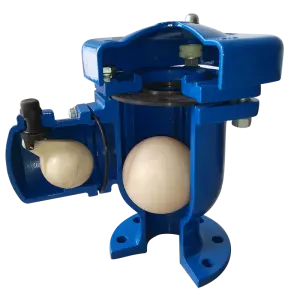
Sealing Components Influence Leakage Prevention
Sealing performance is another important factor in long-term valve reliability. The sealing components must maintain effective contact under the operating pressure while responding correctly to changes in the valve’s internal water level.
Material compatibility is particularly important. If an elastomeric seal is exposed to unsuitable water conditions, temperature variations, or chemical substances, it may gradually harden, swell, or lose elasticity. These changes can affect the valve’s ability to close properly.
The sealing structure also matters. Uneven contact, contamination, or damage to the sealing surface may cause leakage even when the other valve components remain in good condition.
Before selecting a Combined Type Air Vent Valve, buyers should confirm the following:
-
Whether the sealing material is compatible with the intended medium.
-
Whether the seal can maintain performance under the specified pressure and temperature conditions.
-
Whether the sealing surface is protected from unnecessary damage during operation.
-
Whether replacement seals or maintenance support are available when required.
It is important not to judge sealing quality from material names alone. Actual performance also depends on component dimensions, manufacturing consistency, assembly accuracy, and operating conditions.
Internal Structure and Manufacturing Quality Affect Service Life
The reliability of an air valve depends on how its components work together. Even if the valve body and sealing materials are suitable, poor internal assembly or inconsistent manufacturing can still create operating problems.
For example, inaccurate component positioning may cause unnecessary friction or interfere with float movement. Poorly finished contact surfaces may affect sealing consistency. Loose internal connections can also become a concern during repeated operating cycles.
Manufacturing quality should therefore be considered as part of the product selection process. Buyers can pay attention to several details:
-
Consistency of component dimensions and assembly.
-
Smooth movement of internal mechanical parts.
-
Quality of sealing surfaces and contact areas.
-
Inspection and testing procedures before delivery.
These details may not be obvious from product photographs, so requesting technical documentation and relevant quality information can help buyers make a more informed comparison. A well-designed Combined Type Air Vent Valve should have a coordinated internal structure in which the float, sealing components, and valve body work together under the intended operating conditions.
Maintenance Requirements Should Be Considered Before Purchase
Maintenance is often overlooked when comparing air valve products. However, a valve that is difficult to inspect or service may increase maintenance time and operating costs over its service life.
Water quality is one factor that affects maintenance frequency. Sediment, mineral deposits, and other impurities may accumulate inside the valve and interfere with moving components. The risk depends on the water source, treatment conditions, and pipeline environment.
Before purchasing, users should understand which components may require periodic inspection and whether the valve can be serviced without complicated procedures. The availability of replacement floats, seals, and other wear components may also influence long-term maintenance planning.
For pipeline systems with limited maintenance access, selecting a product with a practical internal arrangement can be particularly valuable. However, even a well-designed valve still requires inspection according to the actual operating environment.
Choosing a Combined Type Air Vent Valve for Different Applications
Different water systems have different operating requirements. A valve used in a municipal water distribution network may face different pressure conditions and water quality from one installed in an industrial water system or pumping station.
Therefore, product selection should begin with a clear understanding of the application. Buyers should provide the supplier with the medium, operating pressure, temperature range, pipeline connection requirements, and installation conditions.
RMT Flowtech provides valve solutions for different pipeline applications. When evaluating a Combined Type Air Vent Valve, users should consider the valve body’s material, float assembly, sealing structure, pressure rating, and maintenance requirements together. Matching these product characteristics with the actual operating environment helps reduce the risk of premature failure and supports more reliable long-term operation.
Conclusion
The long-term reliability of a Combined Type Air Vent Valve depends on more than its basic air-handling function. Valve body material, float assembly quality, sealing performance, manufacturing consistency, and maintenance accessibility all influence how the product performs over time.
For buyers, evaluating these details before purchase can help avoid problems caused by unsuitable materials or internal component design. Selecting a valve according to actual pipeline conditions is a more effective way to achieve stable operation and manage maintenance requirements throughout its service life.
FAQs
1. Which internal component is most important in a combined air vent valve?
The float assembly and sealing components are particularly important because they control the valve’s response to changing water levels and its ability to maintain a closed seal. However, overall reliability depends on all components working together.
2. Can water quality affect the service life of an air vent valve?
Yes. Sediment, mineral deposits, and certain chemical substances may affect internal movement, sealing materials, and metal surfaces. Material selection and maintenance planning should reflect the actual water quality.
3. Should replacement parts be considered when purchasing a combined air vent valve?
Yes. The availability of compatible floats, seals, and other service components can make future maintenance easier and reduce the time required for repairs.
4. Is a higher-priced combined air vent valve always more reliable?
Not necessarily. Price alone does not establish product quality. Buyers should compare material suitability, component design, manufacturing consistency, testing information, and compatibility with the intended pipeline conditions.
Post time: Nov-17-2026