




In water distribution and municipal infrastructure, the reliability and durability of valves are critical for ensuring safe and uninterrupted service. The AWWA C515 Gate Valve is a resilient-seated solution widely recognized for its performance in municipal and industrial water systems. For engineers, procurement specialists, and plant operators, understanding the features, benefits, and applications of these valves is essential for maintaining system efficiency and regulatory compliance.
What Makes the AWWA C515 Gate Valve Unique?
The AWWA C515 Gate Valve is manufactured according to the American Water Works Association (AWWA) C515 standard, which defines design, material, and testing requirements for resilient-seated gate valves. These valves are primarily used for pipeline isolation, providing a tight seal when closed and minimal resistance when open.
Key features include:
● Resilient rubber-seated wedge for leak-proof shutoff
● Ductile iron body with corrosion-resistant coatings
● Compliance with AWWA pressure, testing, and material standards
● Long-term reliability for municipal and industrial water systems
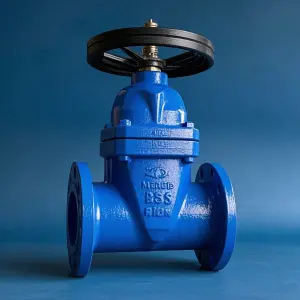
Design and Construction
AWWA C515 valves are designed to balance durability, performance, and ease of operation:
● Body and Bonnet: Strong ductile iron construction to handle high pressures
● Wedge: Rubber-seated wedge for resilient sealing
● Stem and Handwheel: Options for rising or non-rising stems, manual operation
● End Connections: Mechanical joint or flanged ends compatible with standard pipelines
● Protective Coatings: Fusion-bonded epoxy or equivalent for corrosion resistance
These elements ensure consistent performance under diverse operational and environmental conditions.
Advantages for Water Systems
Using AWWA C515 gate valves offers several benefits:
● Reliable Shutoff: Resilient seating prevents leaks
● Durable Construction: Reduces maintenance and replacement costs
● Smooth Operation: Minimizes operational effort for opening and closing
● Regulatory Compliance: Meets AWWA standards for municipal projects
● Versatility: Suitable for potable water, wastewater, and industrial applications
Typical Applications
AWWA C515 gate valves are widely used in critical infrastructure:
● Municipal Water Networks: For pipeline isolation and maintenance
● Water Treatment Plants: For reliable shutoff during maintenance or emergencies
● Pump Stations: To control flow and prevent backflow
● Industrial Water Systems: Including cooling water, process water, and utilities
These applications demand high reliability, minimal leakage, and compliance with regulations, all strengths of the AWWA C515 valve.
Installation and Maintenance
Proper installation and routine maintenance ensure optimal valve performance:
● Align pipeline and valve ends correctly to prevent stress on the body
● Inspect stems, wedges, and handwheels periodically
● Lubricate moving parts as recommended
● Follow AWWA guidelines for pressure testing and operation
Regular maintenance enhances reliability and reduces unplanned downtime.
Conclusion
The AWWA C515 Gate Valve is a resilient-seated, durable solution for reliable water system operation. Its robust construction, compliance with AWWA standards, and long service life make it ideal for municipal and industrial water networks. Selecting the right valve ensures efficient, safe, and cost-effective water distribution, giving engineers and operators confidence in critical infrastructure performance.
FAQ
Q1: What distinguishes an AWWA C515 valve from other gate valves?
AWWA C515 valves have resilient seats and meet strict AWWA standards, ensuring reliable shutoff and long service life.
Q2: Can these valves be used in wastewater systems?
Yes, depending on material and coating specifications, they are suitable for both potable water and wastewater systems.
Q3: What end connections are common for AWWA C515 valves?
Mechanical joint or flanged ends, compatible with standard pipelines.
Q4: How should these valves be maintained?
Periodic inspections, lubrication, and adherence to manufacturer and AWWA operational standards are recommended.
Post time: Jan-20-2026