




Industrial pipeline systems transport liquids and gases with different physical and chemical properties. Some media are clean and stable, while others contain suspended solids, corrosive substances, or materials that can affect sealing performance. Selecting a suitable valve therefore requires more than matching the pipeline diameter and pressure rating. The valve configuration must also correspond to the characteristics of the medium and the actual operating environment.
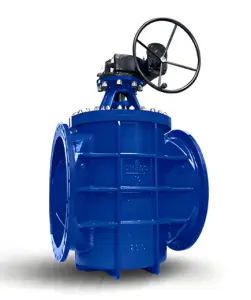
A Flanged Plug Valve is commonly used for on-off flow control and pipeline isolation in industrial applications. Its quarter-turn operating mechanism allows the plug to rotate between open and closed positions. However, different media may require different body materials, plug designs, sealing arrangements, and internal configurations. Understanding these differences helps engineers select a valve that meets system requirements and supports reliable operation.
Why Media Characteristics Matter in Valve Selection
The medium passing through a pipeline directly affects valve performance. A valve suitable for clean water may not be appropriate for wastewater containing solids or an industrial liquid with corrosive properties. Even when two systems operate at similar pressures, their media can create very different demands on internal components.
Several characteristics should be evaluated before selecting a Flanged Plug Valve.
First, chemical compatibility is important. Certain liquids may react with valve body materials, coatings, or sealing components. If the selected materials are unsuitable, corrosion, swelling, degradation, or premature leakage may occur.
Second, suspended particles can influence the movement and sealing of the plug. Sand, sludge, fibers, and other solids may accumulate inside the valve or become trapped around sealing surfaces. This can increase operating resistance and affect shutoff performance.
Third, temperature and pressure influence material selection and structural requirements. Sealing materials must remain suitable within the expected operating range, while the valve body and connection components must meet the pipeline’s pressure conditions.
Understanding these factors provides a more practical starting point than choosing a valve based only on its nominal size.
Matching Plug Valve Configurations to Different Media
Different plug valve designs offer different operating characteristics. The appropriate configuration depends on the medium, required sealing performance, maintenance strategy, and operating conditions.
Clean Water and General Industrial Liquids
Clean water and relatively low-solids industrial liquids generally place fewer demands on internal valve passages than abrasive or heavily contaminated media. In these applications, attention often focuses on reliable shutoff, material compatibility, and resistance to corrosion.
A Flanged Plug Valve used in water distribution or general liquid transfer should have body and internal materials suitable for the water quality and operating environment. Protective coatings may also be considered where external or internal corrosion is a concern.
For general industrial liquids, engineers should check whether the medium is chemically compatible with the valve’s body, plug, and sealing materials. A material that performs well in water may not necessarily be suitable for oils, solvents, or process chemicals.
Wastewater and Media Containing Suspended Solids
Wastewater systems may carry sludge, fibers, sand, and other suspended materials. These substances can accumulate around internal components and affect valve operation, especially when the valve is used frequently or the medium contains a high concentration of solids.
In such applications, the internal passage, sealing arrangement, and ability to handle the expected solids content deserve particular attention. Some plug valve designs are suitable for demanding wastewater services, but performance depends on the actual valve construction and operating conditions.
The selection process should consider the following points:
-
Solids concentration: Determine the type and approximate amount of suspended material in the medium. Larger or abrasive particles may require a different internal configuration.
-
Sealing arrangement: Evaluate whether the sealing design can maintain the required shutoff performance under the expected service conditions.
-
Operating frequency: Consider how often the valve will open and close, since frequent operation can influence wear and maintenance requirements.
-
Maintenance access: Check whether internal components can be inspected or serviced conveniently within the existing pipeline layout.
These factors help prevent a mismatch between the valve design and the actual characteristics of wastewater service.
Corrosive and Chemically Active Media
Chemical processing pipelines require careful material selection because the medium may attack metal surfaces, protective coatings, or non-metallic sealing components. Corrosion resistance cannot be determined by the chemical name alone. Concentration, temperature, exposure time, and operating conditions all influence material compatibility.
When selecting a Flanged Plug Valve for corrosive service, engineers should evaluate the wetted materials, including the valve body, plug, lining, and seals. Depending on the application, corrosion-resistant alloys, suitable coatings, or specialized lining materials may be considered.
Sealing materials also require attention. A material that resists corrosion may still be unsuitable if it becomes brittle, softens, or loses its sealing properties at the operating temperature. Compatibility should therefore be checked for the complete valve assembly rather than one component in isolation.
Where chemical properties vary during production, the most demanding expected operating conditions should be included in the selection review.
Oil, Gas, and Viscous Industrial Fluids
Oil and gas pipelines, as well as systems handling viscous industrial liquids, may require valves that provide dependable isolation under specific pressure and temperature conditions. The medium’s viscosity, lubrication characteristics, and potential contamination can influence operating torque and sealing requirements.
For these applications, engineers should review the valve’s pressure rating, body construction, sealing system, and operating mechanism. Lubricated plug valves, for example, use lubricant between the plug and body to support operation and sealing. Non-lubricated or sleeved designs use different sealing arrangements and may be preferred in applications where lubricant contact with the process medium is undesirable.
The correct choice depends on the process requirements. A Flanged Plug Valve should not be selected for oil or gas service simply because its general design appears suitable. Pressure conditions, applicable industry standards, material compatibility, and required leakage performance must all be verified.
Understanding Different Plug Valve Sealing Designs
The sealing arrangement is one of the main factors distinguishing plug valve configurations. It influences operating torque, leakage control, maintenance requirements, and suitability for different media.
Lubricated plug valves use a lubricant introduced between the plug and body. This can reduce friction and help maintain sealing performance. However, lubricant compatibility with the process medium and the required maintenance procedure must be considered.
Sleeved plug valves use a non-metallic sleeve around the plug to provide a sealing interface. This design can reduce direct contact between the plug and valve body, but the sleeve material must be compatible with the medium, pressure, and temperature.
Other non-lubricated designs may use different seating or sealing arrangements to achieve isolation without relying on injected lubricant. Their performance depends on the specific construction and manufacturing quality.
When comparing configurations, engineers should consider not only initial shutoff performance but also how the sealing system behaves after repeated operation. A valve that meets the initial requirements may still require a different maintenance strategy depending on the medium and operating frequency.
Installation and Operating Conditions Should Guide Final Selection
Even a suitable valve configuration can experience problems if installation conditions are overlooked. Flanged connections must match the pipeline’s applicable flange standard, pressure class, facing type, and dimensions. Incorrect matching may create alignment difficulties or compromise connection integrity.
Installation space is another consideration. Operators need sufficient clearance for the handle, gearbox, or actuator to complete the required quarter-turn movement. The surrounding pipeline layout should also allow access for inspection and maintenance.
Before finalizing a Flanged Plug Valve selection, project teams should review several practical requirements:
-
Confirm the medium’s chemical and physical characteristics.
-
Verify the operating pressure and temperature range.
-
Match flange dimensions and connection standards.
-
Check the required flow direction and installation orientation.
-
Evaluate operating frequency, torque, and actuation requirements.
-
Confirm inspection and maintenance accessibility.
These checks connect the valve’s technical configuration with the actual pipeline environment. They also help reduce installation adjustments and operating difficulties after commissioning.
Conclusion
Choosing a Flanged Plug Valve for different media requires a clear understanding of chemical compatibility, suspended solids, temperature, pressure, and sealing requirements. Clean water, wastewater, corrosive chemicals, and viscous industrial fluids can place different demands on valve materials and internal configurations. By evaluating these conditions together with connection standards, operating frequency, and maintenance needs, engineers can select a configuration that better matches the pipeline application and supports reliable flow isolation.
FAQs
1. Can one flanged plug valve configuration handle different types of media?
Some configurations can serve multiple applications, but suitability depends on material compatibility, sealing design, pressure, temperature, and the characteristics of each medium.
2. What causes a plug valve to become difficult to operate?
Possible factors include accumulated solids, corrosion, unsuitable sealing materials, excessive operating pressure, and wear of internal components.
3. Are sleeved plug valves suitable for wastewater applications?
They may be suitable for certain wastewater services, provided the sleeve material and valve construction match the solids content, chemical properties, and operating conditions.
4. Why should flange standards be checked before ordering a plug valve?
Matching flange standards, pressure classes, and dimensions helps ensure proper pipeline connection, installation alignment, and connection integrity.
Post time: Nov-06-2026