




In industrial processes, controlling flow efficiently and safely is critical, especially when dealing with thick liquids, slurries, or abrasive materials. A Knife Gate Valve is specifically designed for these challenging environments, providing reliable isolation, minimal maintenance, and durable performance. For B2B buyers and engineers, understanding its features, applications, and benefits is essential for optimizing operational efficiency and safety.
What Is a Knife Gate Valve?
A knife gate valve is a specialized type of gate valve that uses a sharp-edged gate to cut through liquids containing solids, slurries, or other viscous materials. Unlike traditional gate or globe valves, knife gate valves are ideal for applications where clogging, sediment buildup, or abrasive media could otherwise hinder flow control.
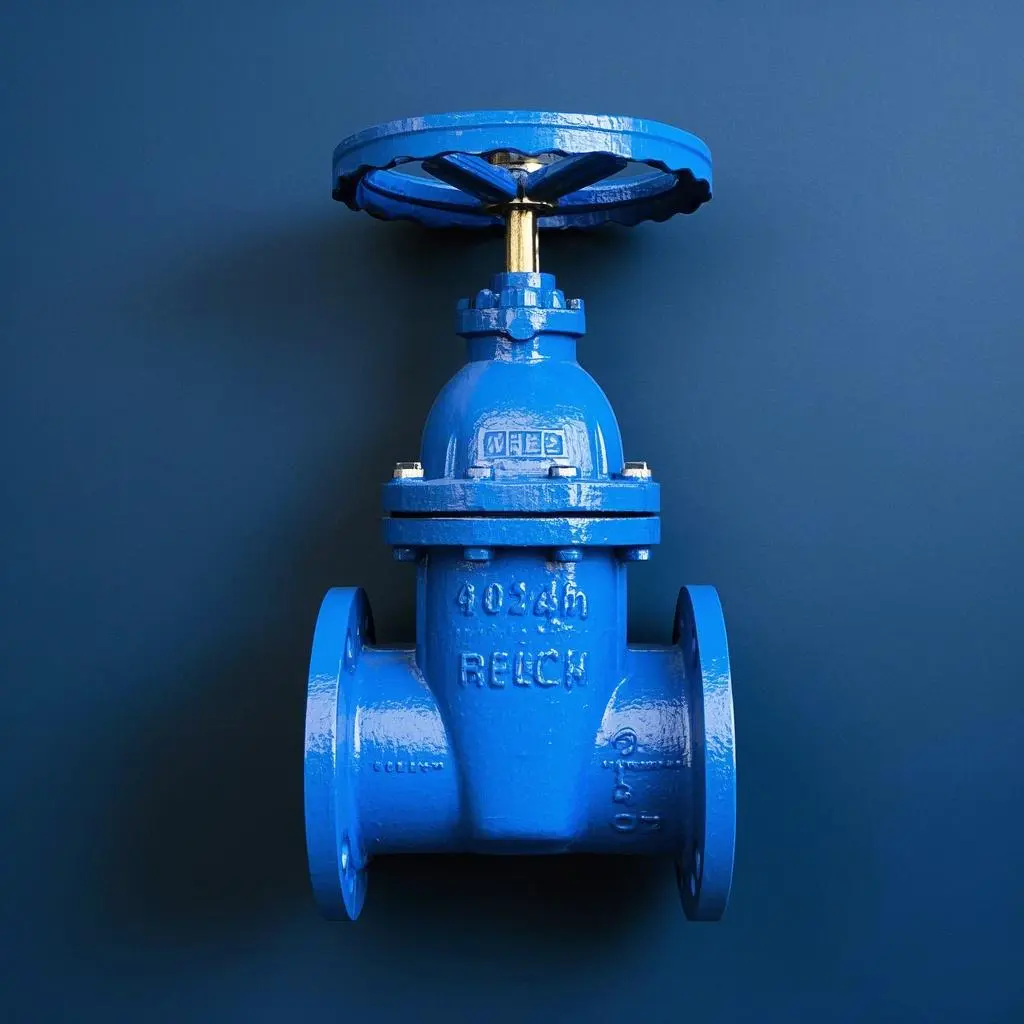
Key components include:
● Valve Body – Typically made from stainless steel, cast steel, ductile iron, or carbon steel for durability and corrosion resistance
● Knife-Shaped Gate – A thin, sharp-edged gate designed to cut through solid-laden fluids
● Sealing System – Resilient seats or high-quality packing to minimize leakage
● Stem and Actuator – Operates the gate manually or automatically
● Bonnet and Guides – Ensure smooth gate movement and structural integrity
These components work together to provide efficient isolation and reliable performance even under extreme conditions.
Advantages of Knife Gate Valves in B2B Applications
Knife gate valves are widely preferred in industrial applications for their performance and versatility. Key benefits include:
● Effective Slurry Handling – Cuts through thick, solid-laden liquids without clogging
● Low Pressure Drop – Full bore design allows minimal resistance when fully open
● Durable Construction – Resists corrosion and abrasion from harsh media
● Easy Maintenance – Simple design allows quick inspection, cleaning, and replacement of seals
● Versatile Actuation – Available in manual, pneumatic, or electric actuation options
These advantages make knife gate valves essential in industries where conventional valves fail due to solids or viscous media.
Types of Knife Gate Valves
Knife gate valves can vary based on design, material, and actuation method:
● Manual Knife Gate Valve – Operated by handwheel, lever, or chain for smaller or less frequent operations
● Pneumatic Knife Gate Valve – Uses air pressure for fast, reliable operation in automated systems
● Electric Knife Gate Valve – Motor-driven actuation for remote or large-scale applications
● Rising Stem vs. Non-Rising Stem – Rising stem provides visual position feedback; non-rising stem is ideal for limited space
● Soft-Seated vs. Metal-Seated – Soft seats provide tight shutoff for liquid systems; metal seats handle abrasive or high-temperature media
Choosing the appropriate type ensures optimal performance, reliability, and maintenance efficiency.
Applications of Knife Gate Valves
Knife gate valves are commonly used in B2B industrial sectors that require handling of challenging media:
● Pulp and Paper Industry – Controls flow of pulp, sludge, and recycled paper slurry
● Mining and Mineral Processing – Handles abrasive slurries and solids-laden water
● Wastewater Treatment – Isolates thick sludge and prevents clogging in treatment plants
● Chemical Processing – Controls viscous or corrosive fluids efficiently
● Food and Beverage Industry – Used in applications where high-viscosity liquids need isolation
The ability to handle solids, viscous liquids, and abrasive materials makes knife gate valves indispensable in these sectors.
Installation and Maintenance Considerations
Proper installation and maintenance are crucial for maximizing the life and efficiency of knife gate valves:
● Install valve in accordance with flow direction and manufacturer guidelines
● Ensure proper alignment to prevent gate binding
● Regularly inspect packing and seats for wear
● Operate the valve periodically to avoid sticking or corrosion
● Lubricate stem and actuator mechanisms as required
Routine inspection and preventive maintenance help maintain smooth operation and leak-free performance.
Conclusion
A Knife Gate Valve is a specialized and essential solution for industrial applications involving thick liquids, slurries, or abrasive media. Its sharp-edged gate, durable construction, and flexible actuation options provide reliable isolation, efficient flow control, and minimal maintenance. For B2B engineers and procurement professionals, investing in high-quality knife gate valves ensures operational safety, reduces downtime, and improves overall system efficiency.
FAQ
1. What makes a knife gate valve different from a standard gate valve?
A knife gate valve has a sharp-edged gate designed to cut through solid-laden or viscous liquids, preventing clogging and ensuring reliable isolation.
2. Where are knife gate valves typically used?
They are commonly used in pulp and paper, mining, wastewater treatment, chemical processing, and food and beverage industries.
3. What is the difference between soft-seated and metal-seated knife gate valves?
Soft-seated valves provide tight shutoff for liquids, while metal-seated valves handle abrasive, high-temperature, or solid-laden media.
4. How should knife gate valves be maintained?
Regular inspection of packing and seats, periodic operation to prevent sticking, alignment checks, and lubrication of the stem and actuator help maintain performance.
Post time: Mar-10-2026