




A Lift Check Valve is a non-return valve used to prevent fluid from flowing backward in a pipeline. In water supply systems, pump stations, industrial water pipelines, drainage systems, and treatment plant projects, reverse flow can cause serious problems. It may damage pumps, disturb pipeline pressure, contaminate upstream sections, or create unstable system operation after the pump stops.
Unlike manual shutoff valves, a Lift Check Valve works automatically. It opens when forward flow pushes the disc upward, and it closes when the flow slows down, stops, or tries to reverse. This simple lifting movement allows the valve to protect the pipeline without manual operation or external power.
For engineering projects that require pump protection, backflow prevention, and stable one-way flow, the Lift Check Valve is a practical valve choice.
Backflow Is a Common Problem After Pump Shutdown
In many water pipeline systems, pumps are used to move water from one section to another. When the pump is running, the water flows in the designed direction. However, once the pump stops, the pressure in the downstream pipeline may be higher than the pressure near the pump outlet. If there is no check valve, water may flow backward.
This reverse flow can create several problems:
- The pump impeller may rotate backward;
- Pipeline pressure may fluctuate suddenly;
- Water hammer risk may increase;
- Upstream water may become contaminated;
- Pump restart may become unstable;
- Equipment service life may be shortened;
- Maintenance costs may increase.
A Lift Check Valve is installed to stop this reverse flow automatically. When the forward flow disappears, the disc returns to the seat and blocks the reverse direction.
How a Lift Check Valve Opens and Closes
The working action of a Lift Check Valve is different from a swing check valve. Instead of swinging around a hinge, the disc moves vertically or along a guided path.
When fluid flows in the correct direction, pressure under the disc lifts it away from the seat. The valve opens, and the fluid passes through the valve body.
When the flow slows down or stops, the disc moves back toward the seat under gravity, spring force, or reverse pressure, depending on the valve design. Once the disc contacts the seat, reverse flow is blocked.
This lifting motion gives the valve a clear and controlled closing action. It is especially useful in systems where backflow must be prevented quickly and reliably.
Why Lift Check Valves Are Used Near Pumps
Pump outlets are one of the most common places to install a Lift Check Valve. The valve helps maintain one-way flow and protects the pump when operating conditions change.
At pump discharge lines, the valve can help:
- Prevent water from flowing back into the pump;
- Reduce reverse rotation of pump parts;
- Help maintain pressure in the discharge pipeline;
- Support safer pump shutdown;
- Improve stability during pump restart;
- Protect connected valves and pipe fittings.
In pump stations, check valves are not optional in many designs. They are important protection components that help the whole pumping system operate safely.
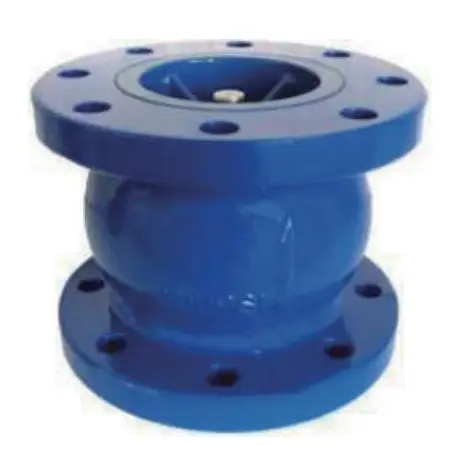
More Suitable for Clean Water and Stable Flow Conditions
A Lift Check Valve is often used in clean water, treated water, industrial water, and other relatively clean media. Because the disc moves along a guided path and seals against the seat, the valve works best when large solid particles or fibers are not present in the medium.
If the pipeline carries heavy sludge, large suspended solids, or fibrous wastewater, other check valve structures may be considered. But for clean water pipelines, pump discharge systems, treatment plant water lines, and industrial circulation systems, a Lift Check Valve can provide reliable backflow prevention.
Typical suitable media include:
- Clean water;
- Treated water;
- Cooling water;
- Industrial process water;
- Fire protection water;
- General non-corrosive liquids;
- Compatible water-based fluids.
The final selection should still consider pressure, temperature, flow rate, and material compatibility.
Lift Check Valve Applications in Water Engineering
Lift Check Valves are used in many systems where one-way flow must be maintained. They are especially useful in pipeline sections where backflow would damage equipment or interrupt the process.
Common applications include:
- Pump outlet pipelines;
- Water supply systems;
- Water treatment plants;
- Industrial circulating water systems;
- Fire protection pipelines;
- HVAC water systems;
- Boiler feed water lines;
- Irrigation pumping systems;
- Municipal pipeline networks;
- General industrial fluid pipelines.
In these systems, the valve works as an automatic safety barrier. It stays open during normal forward flow and closes when flow conditions change.
Lift Check Valve vs Swing Check Valve
Both Lift Check Valves and Swing Check Valves are used to prevent reverse flow, but their structures and application preferences are different.
A Lift Check Valve uses a disc that moves upward and downward. It usually provides a more guided closing action and is often used in systems with stable flow and relatively clean media.
A Swing Check Valve uses a disc that swings around a hinge. It can be suitable for larger pipelines and applications where lower flow resistance may be needed, but the closing action may depend more on flow conditions.
The choice depends on the actual pipeline design:
- Lift Check Valve: suitable for clean water, pump discharge lines, and systems requiring guided disc movement.
- Swing Check Valve: suitable for many large pipeline systems and general backflow prevention.
- Silent Check Valve: suitable where water hammer reduction and quiet closing are important.
- Rubber Plate Check Valve: suitable for certain wastewater or drainage systems depending on project conditions.
Choosing the right check valve type can help improve backflow control and reduce system problems.
Installation Direction Is Very Important
A Lift Check Valve must be installed according to the correct flow direction. The valve body usually has a flow direction mark. If the valve is installed backward, the disc will not open correctly, and the pipeline may lose flow.
Installation points include:
- Check the flow direction arrow before installation.
- Make sure the valve size matches the pipeline.
- Clean the pipeline before installing the valve.
- Remove welding slag, stones, and large debris.
- Align the flange faces correctly.
- Install suitable gaskets.
- Tighten bolts evenly.
- Avoid placing excessive pipe stress on the valve body.
- Check the valve action during commissioning.
For vertical installation, buyers should confirm whether the selected Lift Check Valve supports the required flow direction. Some designs are better suited for horizontal pipelines, while others can work in vertical upward flow
Maintenance Suggestions
A practical maintenance plan helps keep the Lift Check Valve reliable.
Recommended checks include:
- Inspect whether the valve closes properly after pump shutdown;
- Check for abnormal vibration or noise;
- Confirm there is no leakage in reverse flow conditions;
- Clean deposits inside the valve if the medium contains scale or sediment;
- Inspect the disc and seat during scheduled shutdown;
- Check flange bolts and gasket condition;
- Replace worn sealing parts when necessary.
For systems with frequent pump starts and stops, the check valve should be inspected more regularly because repeated opening and closing can affect sealing surfaces over time.
FAQ
1. What is a Lift Check Valve used for?
A Lift Check Valve is used to prevent reverse flow in pipelines. It allows fluid to flow in one direction and closes automatically when the flow stops or reverses.
2. Where is a Lift Check Valve usually installed?
It is commonly installed near pump outlets, water supply lines, treatment plant pipelines, industrial water systems, and other pipeline sections where backflow must be prevented.
3. What is the difference between a Lift Check Valve and a Swing Check Valve?
A Lift Check Valve uses a disc that moves upward and downward, while a Swing Check Valve uses a hinged disc that swings open and closed. Lift Check Valves are often used for clean water and stable flow conditions.
4. Can a Lift Check Valve be installed vertically?
Some Lift Check Valves can be installed in vertical pipelines with upward flow, but this depends on the valve design. Buyers should confirm the installation direction before ordering.
Conclusion
A Lift Check Valve is an important backflow prevention valve for water pipeline systems. By opening under forward flow and closing automatically when flow stops or reverses, it helps protect pumps, maintain pressure stability, and prevent reverse flow damage.
For pump stations, water supply systems, treatment plants, industrial water pipelines, and fire protection systems, choosing the right Lift Check Valve can improve system safety, reduce equipment risk, and support long-term reliable operation.
Post time: Jul-09-2026