




In industrial fluid systems, maintaining safe pressure levels is essential to prevent equipment damage, operational downtime, and safety hazards. Excess pressure can build up due to thermal expansion, pump surges, or system malfunctions, posing serious risks to pipelines and machinery. A Pressure Release Valve is designed to automatically relieve excess pressure and protect the integrity of the system.
For B2B engineers, plant operators, and procurement professionals, understanding how pressure release valves work is critical for ensuring safe, efficient, and compliant operations.
What Is a Pressure Release Valve?
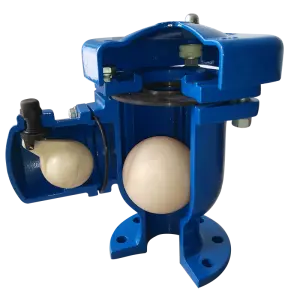
A pressure release valve, also known as a pressure relief valve, is a safety device that automatically opens when system pressure exceeds a predetermined limit. Once the pressure is reduced to a safe level, the valve closes again, ensuring continuous protection without manual intervention.
This type of valve is widely used in pipelines, storage tanks, boilers, and industrial processing systems where pressure control is critical. It acts as a safeguard against overpressure conditions that could otherwise lead to leaks, ruptures, or catastrophic failures.
Typical components include:
● Valve Body – Constructed from materials such as brass, stainless steel, or ductile iron to withstand pressure and corrosion
● Spring Mechanism – Controls the opening pressure by applying force to keep the valve closed
● Disc and Seat – Forms a tight seal to prevent leakage under normal conditions
● Adjustment Screw – Allows precise setting of the pressure threshold
● Outlet Port – Releases excess pressure safely from the system
These components work together to ensure reliable and automatic pressure control.
Why Pressure Control Is Critical
In any pressurized system, maintaining the correct pressure range is vital for both performance and safety. Without proper pressure control, systems can experience serious operational issues.
● Equipment Damage – Excess pressure can deform or rupture pipes, valves, and tanks
● Safety Risks – Overpressure can lead to explosions or hazardous leaks
● Operational Downtime – System failures result in costly interruptions
● Energy Waste – Inefficient pressure control increases energy consumption
● Regulatory Compliance Issues – Many industries require pressure safety systems to meet strict standards
Installing pressure release valves helps mitigate these risks and ensures smooth operation.
Types of Pressure Release Valves
Different applications require different types of pressure release valves. Selecting the appropriate type depends on system design and operating conditions.
● Spring-Loaded Pressure Relief Valve – The most common type, using a spring to control opening pressure
● Pilot-Operated Pressure Relief Valve – Offers higher accuracy and is suitable for high-pressure systems
● Thermal Relief Valve – Designed to relieve pressure caused by thermal expansion in closed systems
● Safety Relief Valve – Used in systems handling both liquid and gas, providing rapid pressure release
Each type is engineered for specific industrial scenarios, ensuring optimal safety and performance.
Applications Across Industries
Pressure release valves are essential in many B2B industries where pressure control is critical:
● Oil and Gas Industry – Protects pipelines and processing equipment from overpressure
● Chemical Processing – Ensures safe handling of reactive and pressurized fluids
● Water Treatment Systems – Maintains stable pressure in distribution networks
● Power Generation Plants – Protects boilers and steam systems
● Manufacturing Facilities – Supports safe operation of pressurized equipment
Their ability to prevent overpressure makes them indispensable in these sectors.
Key Advantages for B2B Buyers
For industrial buyers and engineers, pressure release valves provide significant benefits:
● Enhanced Safety – Prevents accidents caused by excessive pressure
● Automatic Operation – No manual intervention required
● System Protection – Reduces risk of equipment damage
● Cost Savings – Minimizes repair costs and downtime
● Compliance with Standards – Helps meet safety regulations
These advantages contribute to improved operational reliability and reduced total cost of ownership.
Installation and Maintenance Best Practices
Proper installation and maintenance are essential to ensure reliable performance:
● Install valves at critical pressure points within the system
● Ensure correct pressure setting according to system requirements
● Regularly inspect for wear, corrosion, or blockage
● Test valve functionality periodically
● Replace worn components to maintain sealing integrity
A proactive maintenance approach ensures long-term safety and efficiency.
Pressure Release Valve vs Safety Valve
Although often used interchangeably, pressure release valves and safety valves have distinct differences:
● Pressure Release Valve – Typically used for liquid systems and opens gradually
● Safety Valve – Designed for gas or steam systems and opens rapidly
● Application Scope – Pressure release valves focus on system protection, while safety valves emphasize emergency pressure discharge
Understanding these differences helps in selecting the right valve for specific applications.
How to Choose the Right Pressure Release Valve
Selecting the correct valve involves evaluating several key factors:
● System Pressure Range – Ensure the valve is rated for operating and maximum pressures
● Fluid Type – Consider compatibility with liquids, gases, or chemicals
● Temperature Conditions – Choose materials suitable for operating temperatures
● Flow Capacity – Ensure the valve can handle required discharge rates
● Compliance Standards – Verify adherence to industry regulations
Careful selection ensures optimal performance and long-term reliability.
Conclusion
A Pressure Release Valve is a critical safety component in industrial systems, ensuring that pressure levels remain within safe limits. By automatically releasing excess pressure, it protects equipment, enhances safety, and improves operational efficiency. For B2B professionals, investing in high-quality pressure release valves is essential for maintaining system integrity, reducing risks, and achieving long-term cost savings. As industries continue to demand higher safety and efficiency standards, pressure control solutions will remain a fundamental part of modern engineering systems.
FAQ
1. What is the main purpose of a pressure release valve?
It is used to release excess pressure from a system to prevent damage and ensure safe operation.
2. Where are pressure release valves commonly used?
They are used in pipelines, tanks, boilers, water systems, and industrial processing equipment.
3. What is the difference between a pressure release valve and a safety valve?
Pressure release valves are typically used for liquids and open gradually, while safety valves are used for gases and open quickly.
4. How often should pressure release valves be inspected?
Regular inspection and testing are recommended based on system conditions to ensure reliable performance.
Post time: Apr-02-2026