




A resilient sealing valve plays an important role in water supply systems by helping control water flow and isolate pipeline sections when needed. Its sealing structure uses resilient materials to create close contact between sealing surfaces, supporting effective shutoff under suitable operating conditions. Understanding how these valves work, where they are used, and what affects their performance helps explain their role in modern water infrastructure.
How Does a Resilient Sealing Valve Work?
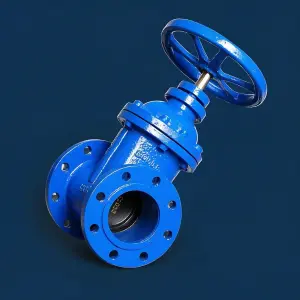
A resilient sealing valve uses an elastic sealing component to create a tight contact surface when the valve closes. In a resilient seated gate valve, for example, a rubber-coated wedge moves into position to block the flow path. When the valve opens, the wedge moves away from the passage, allowing water to flow through.
The resilient material can accommodate minor surface irregularities through elastic deformation, helping establish effective contact with the corresponding sealing surfaces. However, the sealing result depends on the valve’s design, material quality, installation, and operating conditions.
Unlike metal-to-metal sealing arrangements, resilient sealing relies on the deformation and recovery of an elastic material to form a seal. Since different valve designs use different mechanisms, the term “resilient sealing valve” should be understood in the context of the specific valve type.
Applications of Resilient Sealing Valves in Water Supply Systems
Resilient sealing valves are commonly associated with water distribution and fluid isolation applications. They allow pipeline sections to be shut off when inspection, maintenance, or repair is required, helping operators manage water flow across different parts of a network. Common applications include:
Municipal water distribution: Used to isolate pipeline sections and support routine network maintenance.
Water treatment facilities: Installed in suitable pipelines to control water flow between different treatment stages.
Building water supply systems: Used in compatible piping arrangements where reliable shutoff is required.
Industrial water networks: Applied in water distribution and circulation lines when the valve materials and pressure rating match the operating conditions.
The suitability of a valve depends on more than its sealing mechanism. Fluid characteristics, operating pressure, temperature, installation environment, and applicable technical standards all influence whether a particular valve is appropriate for an application.
Factors That Affect Sealing Performance
The sealing performance of a resilient sealing valve depends on the interaction between its sealing materials, mechanical components, and operating environment. Several factors can influence its reliability over time.
Sealing material compatibility: Rubber and other resilient materials must be suitable for the fluid and temperature conditions. Incompatible materials may swell, deteriorate, or lose elasticity.
Operating pressure: The valve must be rated for the system’s pressure requirements. Operating outside its specified limits may affect sealing performance and service life.
Installation quality: Proper alignment, secure connections, and compliance with installation instructions help reduce unnecessary stress on the valve and connected pipeline.
Operating practices: Correct opening and closing procedures help limit mechanical stress and reduce the risk of component damage.
Inspection and maintenance: Checking for leakage, corrosion, operating difficulties, and visible deterioration can help identify potential problems before they affect system operation.
These factors are closely related. Even a well-designed valve may not deliver the expected sealing performance if it is installed incorrectly, exposed to incompatible media, or operated outside its rated conditions.
How to Maintain Resilient Sealing Valves in Water Systems
Routine maintenance helps keep valves ready for normal operation and supports the long-term reliability of water distribution infrastructure. Maintenance procedures should follow the manufacturer’s instructions and the safety requirements of the specific system. Regular checks can include inspecting external connections for leakage, observing whether the valve operates smoothly, and examining accessible components for corrosion or damage. Where appropriate, operational checks can help confirm that the valve opens and closes as intended.
If a valve develops persistent leakage, becomes difficult to operate, or shows signs of material deterioration, the underlying cause should be investigated. The problem may involve installation conditions, internal wear, debris, damaged components, or unsuitable operating conditions rather than the sealing material alone. Before inspection or repair, the affected pipeline should be safely isolated and depressurized according to established procedures. Although maintenance cannot eliminate every potential failure, it can help identify developing issues and support more predictable system operation.
Choosing the Right Valve for Water Supply Applications
Selecting a suitable valve for a water supply system requires an understanding of how individual components work within the wider pipeline network. Sealing requirements, fluid characteristics, pipeline layout, and maintenance accessibility can all influence system performance. For water supply and drainage infrastructure, considering the relationship between valve design and pipeline requirements helps support reliable operation and practical maintenance. A valve that performs well in one application may not be suitable for another if pressure conditions, fluid characteristics, or installation requirements differ.
Understanding the specific application and operating environment is therefore an important step in determining an appropriate valve solution for the system.
Conclusion
Resilient sealing valves support water supply systems by providing a means of flow isolation and shutoff. Their performance depends on the sealing design, material compatibility, operating pressure, installation quality, and maintenance practices. By considering these factors alongside the requirements of the wider pipeline network, engineers and system operators can better assess valve suitability and support reliable operation across water distribution systems.
Frequently Asked Questions
1. What is a resilient sealing valve?
A resilient sealing valve uses an elastic sealing component, often made from rubber or a similar material, to create a close seal when the valve is closed. Its specific structure and function depend on the valve type.
2. How does a resilient sealing valve prevent leakage?
When the valve closes, its resilient sealing component contacts the corresponding sealing surface to restrict fluid passage. Effective sealing depends on material condition, correct installation, appropriate operating pressure, and the valve’s design.
3. Where are resilient sealing valves commonly used?
They are commonly used in municipal water distribution, water treatment facilities, building water supply systems, and compatible industrial water networks. The appropriate application depends on the valve’s materials, pressure rating, and operating conditions.
4. What affects the service life of a resilient sealing valve?
Material compatibility, pressure and temperature conditions, installation quality, operating practices, and maintenance all influence service life. Regular inspection and operation within specified limits can help reduce premature wear and deterioration.
Post time: Oct-15-2026