




In industrial piping and fluid control systems, precise and dependable shutoff is essential for safety, efficiency, and long-term operational reliability. A Seal Gate Valve provides an effective solution for controlling the flow of liquids and gases, offering tight sealing performance and durability under high-pressure conditions. For B2B buyers and engineers, understanding the advantages, applications, and maintenance of seal gate valves is critical when specifying valves for industrial, municipal, or commercial projects.
What Is a Seal Gate Valve?
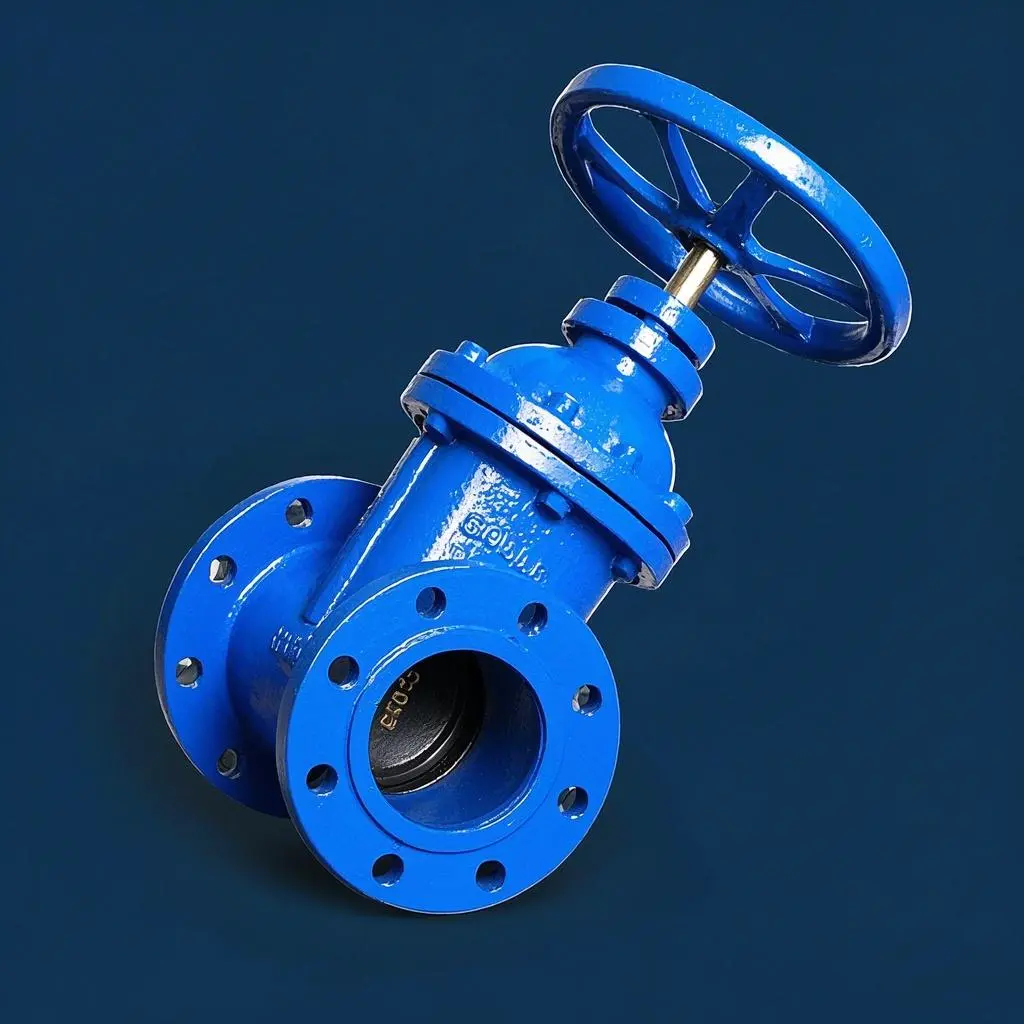
A seal gate valve is a type of gate valve designed to ensure a tight seal when fully closed. Unlike standard gate valves, which may experience leakage over time due to wear or pressure fluctuations, seal gate valves incorporate enhanced sealing mechanisms such as resilient seats, flexible wedges, or high-quality packing materials. This ensures minimal leakage and reliable shutoff in critical applications.
Key components typically include:
● Valve Body – Usually made from stainless steel, cast iron, ductile iron, or carbon steel for strength and corrosion resistance
● Gate or Wedge – Moves vertically to block or allow fluid flow
● Sealing Surfaces – Enhanced seats or flexible wedges to provide tight shutoff
● Stem and Packing – Stem moves the gate up or down, with packing to prevent leakage along the stem
● Bonnet – Houses the stem and provides structural support for the valve
The design of a seal gate valve ensures that when the valve is closed, the seal between the gate and valve seat is secure, minimizing leakage even under high pressure or corrosive conditions.
Advantages of Seal Gate Valves in B2B Applications
Seal gate valves are valued in industrial and municipal applications for their reliability and performance. Key advantages include:
● Tight Sealing – Minimizes leakage, ensuring operational safety and compliance
● Durability – Materials and construction are designed to withstand high pressure, temperature, and chemical exposure
● Low Maintenance – Reliable sealing reduces the frequency of repairs or replacements
● Full Bore Design – Provides unobstructed flow when fully open, reducing pressure drop and improving efficiency
● Wide Range of Applications – Suitable for water, oil, gas, and chemical pipelines
These advantages make seal gate valves ideal for industries where consistent shutoff and leak prevention are critical.
Types of Seal Gate Valves
Seal gate valves can be categorized based on design, material, and specific sealing features:
● Flexible Wedge Seal Gate Valve – The gate is designed to flex slightly, accommodating thermal expansion and pressure variations for better sealing
● Solid Wedge Seal Gate Valve – Rigid gate for high-pressure applications; typically used in systems with minimal thermal fluctuation
● Rising Stem Seal Gate Valve – Stem rises when opening, providing a visual indication of valve position and ease of operation
● Non-Rising Stem Seal Gate Valve – Stem does not move externally; suitable for space-limited installations
● Cast vs. Forged Body – Choice depends on pressure ratings, material strength, and project specifications
Choosing the right type of seal gate valve ensures maximum reliability and longevity in industrial operations.
Applications of Seal Gate Valves
Seal gate valves are widely applied in B2B industrial, municipal, and commercial projects, including:
● Water and Wastewater Treatment – Reliable shutoff for pipelines and treatment systems
● Oil and Gas Pipelines – Leak-proof performance under high pressure and variable temperatures
● Chemical Processing – Resistant to corrosive fluids and chemicals in process pipelines
● Power Plants – Effective in steam, cooling water, and other high-pressure systems
● Industrial Manufacturing – Used for precise isolation and flow control in process systems
Their ability to handle high pressures, maintain a tight seal, and provide long-term reliability makes them an essential component for critical infrastructure.
Installation and Maintenance Considerations
Proper installation and maintenance maximize the life and performance of seal gate valves:
● Ensure the valve is installed in the correct orientation and supported adequately
● Select valves with materials compatible with the fluid type and operating conditions
● Regularly inspect stem packing and seals for wear
● Operate the valve periodically to prevent sticking or corrosion
● Follow manufacturer guidelines for lubrication and maintenance
Routine inspection and preventive maintenance help maintain tight sealing and reliable operation.
Conclusion
A Seal Gate Valve is a critical solution for industrial, municipal, and commercial fluid systems that demand reliable shutoff and leak prevention. With enhanced sealing surfaces, durable materials, and versatile designs, these valves provide consistent performance and long-term value. For B2B engineers and procurement professionals, investing in high-quality seal gate valves ensures operational safety, reduces maintenance costs, and enhances overall system efficiency.
FAQ
1. What is the main advantage of a seal gate valve over a standard gate valve?
Seal gate valves provide enhanced sealing capabilities, minimizing leakage even under high pressure or corrosive conditions.
2. Where are seal gate valves commonly used?
They are widely used in water treatment, oil and gas pipelines, chemical processing, power plants, and industrial manufacturing.
3. What are flexible wedge and solid wedge seal gate valves?
Flexible wedge valves allow slight gate movement to accommodate thermal expansion, while solid wedge valves are rigid and used for high-pressure systems.
4. How should seal gate valves be maintained?
Regular inspection of stem packing, seals, and valve operation, along with lubrication as per manufacturer guidelines, ensures long-term performance.
Post time: Mar-05-2026