




In municipal and industrial water distribution systems, the ability to control and isolate water flow is critical for safety, efficiency, and operational reliability. The Secondary Water Supply Plug Valve plays a vital role in managing secondary or auxiliary water circuits, ensuring uninterrupted service, minimizing water loss, and enabling effective maintenance procedures. For B2B buyers, engineers, and facility managers, understanding the technical advantages and proper application of secondary water supply plug valves is essential for making informed procurement decisions and optimizing system performance.
What Is a Secondary Water Supply Plug Valve?
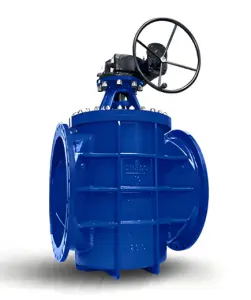
A secondary water supply plug valve is a quarter-turn valve specifically designed for controlling water flow in auxiliary or backup water systems. Unlike standard water valves, these plug valves provide robust sealing performance, easy operation, and quick shut-off capabilities. They are commonly installed in secondary water loops, fire protection systems, irrigation networks, or industrial water circuits where precise flow control and reliability are essential.
Key structural components of a secondary water supply plug valve include:
● Valve body, typically made from ductile iron, carbon steel, or stainless steel
● Plug with soft or metal seal for tight shut-off
● Stem and actuator mechanism for quarter-turn operation
● Sealing gaskets and packing to prevent leakage
By combining a simple mechanical design with effective sealing materials, these valves ensure dependable operation even in demanding water system applications.
How Secondary Water Supply Plug Valves Operate
Secondary water supply plug valves operate with a simple quarter-turn mechanism. The valve plug rotates 90 degrees to open or close the flow passage. Depending on the design, the plug may feature soft sealing (PTFE, elastomeric) or metal-to-metal sealing for enhanced durability.
Typical operational features include:
● Quick open/close operation, enabling fast system isolation
● Bi-directional flow capability for flexible installation
● Low operating torque for manual or actuator-assisted control
● Minimal pressure drop across the valve in fully open position
These operational characteristics make secondary water supply plug valves an ideal choice for B2B applications requiring reliability and ease of maintenance.
Advantages of Using Secondary Water Supply Plug Valves
Secondary water supply plug valves are widely used in municipal and industrial systems due to their combination of performance, durability, and operational flexibility. Key advantages include:
● Reliable sealing performance – reduces leakage and water loss
● Durable construction – suitable for long-term service in potable water and industrial water systems
● Low maintenance requirements – fewer moving parts simplify inspection and servicing
● Quick operation – fast shut-off in emergency or maintenance situations
● Adaptable installation – supports horizontal or vertical pipeline orientations
For procurement teams, these benefits translate into lower lifecycle costs, reduced downtime, and improved system efficiency.
Typical Applications in B2B Water Systems
Secondary water supply plug valves are applicable across a wide range of water systems, including:
● Municipal water distribution networks for secondary loops
● Fire protection and sprinkler systems
● Industrial cooling water circuits
● Irrigation and agricultural water supply networks
● Secondary or backup water supply lines in manufacturing facilities
In each application, these valves enhance operational control, support maintenance, and improve water system resilience.
Material and Sealing Considerations
Selecting the appropriate materials and seals is critical to ensure long-term performance and compliance with water quality standards.
Common valve body materials:
● Ductile iron with protective epoxy coating
● Stainless steel for corrosion resistance
● Carbon steel for high-pressure industrial applications
Typical plug and sealing materials:
● PTFE or reinforced PTFE for chemical and water compatibility
● Elastomers such as EPDM or NBR for potable water applications
● Metal-to-metal seals for high-durability or high-temperature systems
B2B buyers should ensure that all materials meet local regulatory standards and are compatible with the intended water system media.
Installation and Maintenance Best Practices
Proper installation and routine maintenance are essential for maximizing the lifespan of secondary water supply plug valves:
● Ensure correct alignment of the valve body and pipeline flange connections
● Verify compatibility of sealing materials with the water media
● Apply proper torque when connecting flanges to avoid stress or leakage
● Schedule periodic inspections of plug, stem, and seals to detect wear or corrosion
● Operate valves periodically to prevent seizing in low-use lines
Following these guidelines ensures consistent performance and reduces unplanned downtime in B2B water systems.
Strategic Value for B2B Buyers
For B2B procurement teams, investing in secondary water supply plug valves offers long-term strategic value:
● Reduces water loss and associated operational costs
● Ensures reliable flow isolation during maintenance or emergencies
● Minimizes downtime and operational disruptions
● Standardization across multiple sites simplifies inventory and spare parts management
By prioritizing high-quality, durable plug valves, companies can achieve sustainable system efficiency and compliance with industry standards.
Comparison With Other Valve Types
When selecting valves for secondary water supply lines, understanding the advantages of plug valves compared to other valve types is essential:
● Ball valves – offer full-flow performance but may require more maintenance in large diameter or high-cycle applications
● Gate valves – slower operation and larger footprint; less suitable for rapid isolation
● Butterfly valves – lightweight and cost-effective, but may have higher leakage risk in low-pressure systems
Secondary water supply plug valves strike a balance between quick operation, tight sealing, and durability, making them ideal for critical auxiliary water circuits.
Conclusion
The Secondary Water Supply Plug Valve is a critical component for ensuring reliable operation of secondary and auxiliary water systems. Its robust sealing, easy operation, and adaptability to diverse pipeline conditions make it an ideal choice for municipal, industrial, and agricultural applications. For B2B buyers, understanding the valve’s design, materials, applications, and maintenance requirements ensures optimal selection, improved operational efficiency, and long-term value.
FAQ:
What is the primary benefit of a secondary water supply plug valve?
It ensures reliable flow isolation and minimizes water loss in secondary or auxiliary water systems.
Can these valves handle potable and industrial water?
Yes, when constructed with compatible materials and seals, they can be used in both potable water and industrial water circuits.
How does a plug valve differ from a ball or gate valve in secondary water applications?
Plug valves offer faster operation, tighter sealing, and lower maintenance requirements compared to gate valves and more durable performance under cycling than ball valves.
What should B2B buyers consider when sourcing these valves?
Important factors include material compatibility, sealing performance, pressure rating, compliance with standards, and supplier support for maintenance and documentation.
Post time: Dec-30-2025