




In many water supply and pump systems, pressure loss does not always come from pump failure or pipe leakage. Sometimes the real problem starts after the pump stops. Water that has already been pushed forward may begin to move backward, causing pressure drop, unstable restart, pump reverse rotation, noise, and repeated system adjustment.
This is where a Silent Check Valve becomes important. It helps keep water moving in the correct direction and closes quickly when forward flow slows down. Instead of allowing reverse flow to build up before closing, the valve responds earlier, helping the system maintain better pressure stability after pump shutdown.
For pump stations, booster systems, HVAC circulation lines, fire water systems, water treatment plants, and municipal water pipelines, controlling reverse flow is not only about protecting the pump. It also affects pressure balance, system restart, equipment safety, and long-term operation.
Pressure Loss After Pump Shutdown Is Often a Flow Direction Problem
When a pump is running, it creates pressure and pushes water through the pipeline. Once the pump stops, the force that drives the water forward disappears. If the downstream pressure is higher, or if the pipeline has elevation differences, the water may try to flow back toward the pump.
This reverse movement can cause the system pressure to drop faster than expected. Operators may notice that the system cannot hold pressure after shutdown, or the pump needs to restart more frequently to restore pressure.
Common signs include:
- Pressure drops soon after the pump stops;
- The pump restarts more often than expected;
- Water moves backward in the discharge line;
- The system becomes unstable during restart;
- Noise appears near the pump outlet;
- Flow direction becomes difficult to control;
- Pressure instruments show irregular changes.
When these problems appear, the cause is not always the pump itself. The check valve may not be closing at the right time, or the closing action may not match the pipeline condition.
Why Reverse Flow Affects Pump Restart
Pump restart should be smooth and predictable. However, if water flows backward after shutdown, the pump may face unstable conditions when it starts again. In some systems, reverse flow may even cause the pump to rotate backward before the next start.
This creates extra stress on the pump and motor. It can also make pressure recovery slower, especially in systems with long pipelines or frequent start-stop operation.
A stable check valve helps create a clearer boundary between the pump and downstream pipeline. When the pump stops, the valve closes to prevent water from returning. When the pump starts again, the system can build pressure in a more controlled way.
This is especially useful in:
- Booster pump systems;
- Building water supply systems;
- Fire water pump lines;
- HVAC circulation systems;
- Irrigation pump stations;
- Water treatment plant pump outlets;
- Municipal pressure zones.
In these applications, the valve supports smoother system behavior before and after pump operation.
The Closing Moment Matters More Than Many People Think
A check valve does not need an operator to open or close it. It responds to flow. But the moment when it closes is very important.
If the valve closes too late, reverse flow may already be strong. When the valve finally closes, the sudden stop can create impact. If it closes too slowly, part of the water may already return toward the pump, causing pressure loss. If it closes too violently, the system may suffer from noise and vibration.
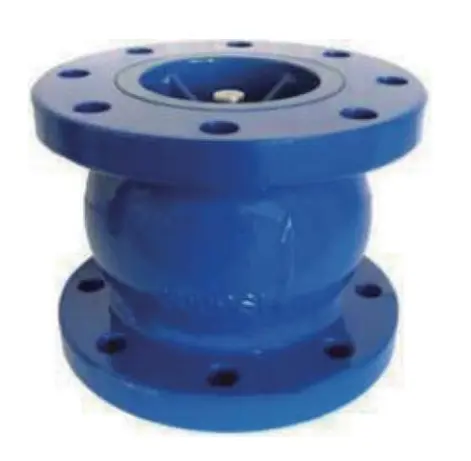
A Silent Check Valve is designed to improve this closing process. Its spring-assisted disc can return toward the seat as forward flow decreases. This helps reduce the delay between pump shutdown and valve closure.
A better closing process can help:
- Reduce reverse flow volume;
- Maintain system pressure more effectively;
- Support smoother pump restart;
- Reduce impact near the pump outlet;
- Lower vibration in the discharge line;
- Protect downstream pipeline equipment;
- Improve overall operating stability.
The goal is not only to stop backflow, but to stop it at the right time.
Why This Valve Is Useful in Booster Pump Systems
Booster pump systems often start and stop based on pressure demand. When water demand changes, the pump may cycle frequently. If the system loses pressure quickly after each stop, the pump may start more often than necessary.
Frequent starts can increase energy use and equipment wear. They may also make the system feel unstable, especially in buildings, industrial facilities, and water distribution zones.
A Silent Check Valve can help by reducing unwanted reverse flow after shutdown. When water does not return through the discharge line, the system has a better chance of maintaining pressure for longer.
In booster systems, this can help reduce:
- Short cycling;
- Pressure fluctuation;
- Pump restart frequency;
- Reverse rotation risk;
- Discharge line vibration;
- Stress on valves and fittings.
The valve becomes part of the system’s pressure management, not just a backflow prevention component.
Fire Water Systems Need Fast and Reliable Response
Fire water systems require dependable operation. When a fire pump starts, the system must deliver water quickly and reliably. When the pump stops, reverse flow should be controlled to protect the pump and pipeline.
In these systems, delayed valve closing can create pressure instability. Sudden closing impact may also affect pipe joints, flanges, and supports. A valve that closes smoothly helps keep the system more controlled during pump shutdown.
Silent check valves are often considered in fire water pump discharge lines because they can provide fast response and reduce valve slam. In a system where reliability matters, the closing behavior of the check valve should not be ignored.
HVAC Circulation Systems Also Need Flow Direction Control
In HVAC chilled water, hot water, or circulation systems, reverse flow can affect system balance. Water may move through the wrong branch, create uneven circulation, or interfere with pump operation.
Unlike municipal water pipelines, HVAC systems may involve multiple pumps, parallel circuits, and variable operating conditions. If one pump stops while another continues running, reverse flow through the stopped pump line may occur.
A properly applied check valve helps prevent unwanted circulation paths. A Silent Check Valve can be useful where smooth closing and reduced noise are important, especially in mechanical rooms, commercial buildings, hospitals, hotels, and public facilities.
In these environments, reducing noise and vibration is not only a mechanical issue. It can also affect comfort and building operation quality.
Clean Water and Industrial Water Applications
In clean water and industrial water systems, the working medium is usually easier for valve operation than wastewater. The main concerns are pressure stability, flow direction, corrosion protection, and long-term sealing.
The valve may be used in:
- Clean water transfer lines;
- Cooling water systems;
- Process water pipelines;
- Pump discharge lines;
- Circulation systems;
- Water treatment equipment lines.
For these systems, stable closure helps reduce unnecessary pressure fluctuation and supports more predictable operation. Materials, coating, and sealing design should match the system environment, especially where water quality, temperature, or corrosion conditions vary.
Wastewater Use Requires More Careful Application
A Silent Check Valve can be used in some drainage or wastewater systems, but the medium condition is more demanding. Wastewater may contain solids, fibers, sediment, or corrosive gases. These factors can affect the disc movement, spring area, and sealing surface.
In wastewater applications, the focus should be on whether the valve structure is suitable for the actual medium. If the fluid contains large solids or materials that can wrap around internal parts, a different check valve design may be more appropriate.
For sewage pump stations and drainage pressure pipelines, backflow control is still important. However, stable operation depends on both valve structure and medium condition. This is why wastewater applications should be evaluated according to the specific system rather than treated the same as clean water pipelines.
RMT Silent Check Valve for Pipeline Systems
RMT provides valves and pipe fittings for water supply, drainage, wastewater, pump stations, and industrial pipeline systems. In systems where pressure drops after pump shutdown, reverse flow affects restart, or pipeline impact becomes a repeated issue, the Silent Check Valve can be matched with the actual pipeline pressure, flow condition, medium, flange standard, coating requirement, and installation environment.
For municipal water systems, booster pump stations, fire water pipelines, HVAC circulation systems, water treatment plants, and industrial water systems, stable closing performance can help improve pressure control and reduce unnecessary equipment stress.
FAQ
1. Why does pump system pressure drop after shutdown?
Pressure may drop because water flows backward through the discharge line after the pump stops. If the check valve closes too late or does not seal properly, the system may lose pressure quickly.
2. How does a Silent Check Valve help maintain pressure?
It closes quickly when forward flow slows down, helping reduce reverse flow. By controlling the flow direction earlier, it supports better pressure stability after pump shutdown.
3. Can this valve reduce frequent pump restart?
In many booster systems, reducing reverse flow can help the system hold pressure for longer. This may reduce unnecessary restart frequency, depending on the overall system design.
4. Is a Silent Check Valve only used in water supply systems?
No. It can also be used in pump stations, HVAC circulation systems, fire water systems, industrial water pipelines, and some drainage systems when the medium and working conditions are suitable.
Conclusion
A Silent Check Valve is not only used to prevent backflow. In many pump systems, it also helps reduce pressure loss after shutdown, improve restart stability, reduce pipeline impact, and protect connected equipment.
For systems where pumps stop and start frequently, pressure drops quickly, or reverse flow affects operation, using the right check valve closing behavior can make the pipeline system more stable and easier to manage over the long term.
Post time: Jul-21-2026