




When it comes to managing the flow of water, especially in large-scale industrial, municipal, and agricultural settings, a sluice valve is an essential component. These valves offer efficient, reliable, and durable solutions for controlling water flow and pressure within pipelines, drainage systems, and reservoirs. For B2B procurement specialists, engineers, and project managers, understanding the advantages, types, and applications of sluice valves is critical for ensuring optimal flow control and minimizing maintenance costs.
What Is a Sluice Valve?
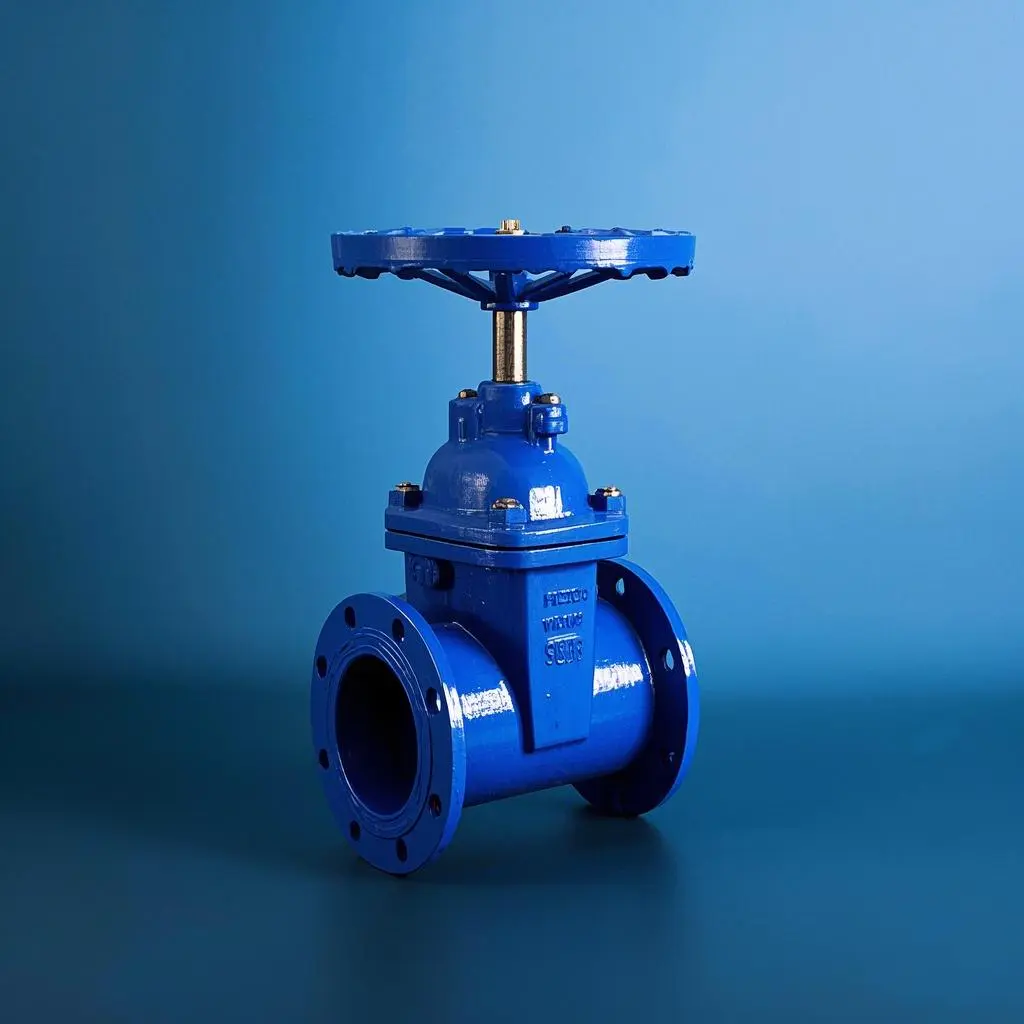
A sluice valve, also known as a slide gate valve, is primarily used to control the flow of water in pipelines, reservoirs, or drainage systems. It works by using a sliding gate, which moves up or down in a vertical direction to open or close the flow passage. Sluice valves are typically designed for use in systems that handle large volumes of water or wastewater, often under high pressure.
Key features of sluice valves include:
● Sliding Gate Mechanism: The gate slides within the valve body to either restrict or allow the flow of water.
● Durable Construction: Made from materials such as cast iron, stainless steel, or ductile iron to withstand the pressures and stresses of large-scale systems.
● Sealing Systems: Ensures minimal leakage when the valve is closed, even under high pressure.
● Actuation: Can be manually operated or automated, depending on system requirements.
These components enable sluice valves to offer effective isolation and flow regulation in a wide range of applications.
Advantages of Sluice Valves
Sluice valves are widely used in various industries due to their numerous benefits. These valves are essential for controlling water flow, regulating pressure, and ensuring safety in large infrastructure systems. The primary advantages include:
● Efficient Flow Control: Sluice valves allow for precise control over water flow, ensuring systems are fully operational when needed.
● Durability: Made from robust materials such as cast iron and stainless steel, sluice valves are designed to withstand harsh conditions, including high water pressure and corrosive environments.
● Low Maintenance: The simple design of sluice valves reduces the need for frequent repairs or replacements, making them cost-effective in the long term.
● Reliability: These valves are well-known for their ability to handle large volumes of water without failure, ensuring uninterrupted service.
● Versatility: Suitable for a wide range of applications, including water treatment plants, sewage systems, irrigation, and flood control.
For B2B industries dealing with large-scale water distribution or drainage, the benefits of sluice valves make them an essential component in infrastructure design and operation.
Types of Sluice Valves
There are various types of sluice valves, each suited to specific applications. Depending on the industry and the required functionality, businesses may choose between different designs:
● Cast Iron Sluice Valve: Widely used in water treatment plants and municipal systems due to its strength and durability.
● Stainless Steel Sluice Valve: Used in environments where corrosion resistance is critical, such as in chemical processing or coastal water systems.
● Non-Rising Stem Sluice Valve: Ideal for applications with limited space, as the valve stem does not extend above the valve body during operation.
● Rising Stem Sluice Valve: Often used in situations where it’s important to visually confirm whether the valve is open or closed, as the stem rises when the valve is in use.
● Electric or Pneumatic Actuated Sluice Valve: These valves are equipped with motorized or air-powered actuators to facilitate automatic operation in large or remote systems.
The type of sluice valve chosen depends on factors such as water flow requirements, space constraints, and the nature of the environment in which the valve will operate.
Applications of Sluice Valves
Sluice valves are used in a wide range of applications across various industries. They are particularly effective in industries where large volumes of water or wastewater need to be controlled. Common applications include:
● Water Treatment Plants: Sluice valves regulate the flow of water through treatment systems, ensuring proper distribution and pressure control.
● Wastewater Management: In sewage systems, sluice valves provide essential isolation and flow regulation, ensuring smooth operation of the system.
● Irrigation Systems: Sluice valves control the flow of water in agricultural irrigation systems, allowing for efficient water distribution to crops.
● Flood Control: In flood management systems, sluice valves are used to control the flow of water into and out of drainage channels, preventing flooding.
● Power Plants: Water is used for cooling in power plants, and sluice valves are crucial for regulating the flow of water through the cooling system.
These applications demonstrate the versatility of sluice valves and their role in maintaining smooth operations in large-scale water distribution systems.
Installation and Maintenance Considerations
To ensure that sluice valves perform efficiently over the long term, proper installation and regular maintenance are essential. Here are a few key considerations:
● Correct Installation: Sluice valves should be installed according to the manufacturer’s guidelines, with careful attention paid to the direction of water flow and alignment of the valve parts.
● Sealing: Regular inspection of the sealing system is necessary to prevent leaks and ensure that the valve remains fully closed when required.
● Lubrication: Ensure that the valve stem and actuator mechanisms are properly lubricated to prevent wear and ensure smooth operation.
● Periodic Testing: It’s crucial to periodically test the valve to ensure it is functioning correctly, particularly in critical applications such as wastewater treatment.
● Replacement of Parts: Over time, certain parts like the valve seat, seals, or gaskets may wear out and need to be replaced to maintain the valve’s performance.
Proper installation and maintenance will help extend the life of the sluice valve and reduce the frequency of costly repairs.
Conclusion
A sluice valve is an indispensable component for industries that require precise water flow control, pressure regulation, and system isolation. Whether used in municipal water systems, wastewater treatment plants, or agricultural irrigation, sluice valves provide reliable, durable, and cost-effective solutions. B2B professionals involved in infrastructure design, maintenance, or procurement should consider the advantages and versatility of sluice valves when specifying valves for large-scale water management projects.
FAQ
1. What is the primary function of a sluice valve?
A sluice valve is primarily used to regulate and control the flow of water in pipelines, reservoirs, and drainage systems. It provides a reliable way to isolate sections of the pipeline and control the flow of liquids.
2. What are the common materials used for sluice valves?
Sluice valves are typically made from durable materials such as cast iron, stainless steel, or ductile iron, depending on the environment and application. Stainless steel is commonly used for corrosion-resistant applications.
3. What is the difference between a rising stem and a non-rising stem sluice valve?
A rising stem sluice valve features a stem that rises when the valve is opened, providing a visual indication of the valve’s position. A non-rising stem valve, on the other hand, does not extend outward, making it suitable for installations with space constraints.
4. How should sluice valves be maintained?
Sluice valves should be periodically tested for proper functionality, lubricated to ensure smooth operation, and inspected for wear on sealing components like gaskets and valve seats. Regular maintenance ensures the valve remains effective and reduces the likelihood of costly repairs.
Post time: Mar-12-2026