




In industrial fluid control systems, valve selection directly affects safety, efficiency, and long-term operating costs. Among various valve types, the Soft Seal Plug Valve has become a preferred choice for many industries due to its tight sealing performance, low leakage risk, and adaptability to demanding working conditions. For B2B buyers, engineers, and project contractors, understanding how soft seal plug valves work and where they deliver the most value is essential for making informed procurement decisions.
This article provides a professional overview of soft seal plug valves, their structure, advantages, application scenarios, and key considerations for industrial use.
What Is a Soft Seal Plug Valve?
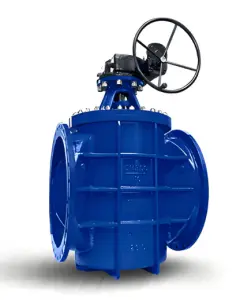
A soft seal plug valve is a type of quarter-turn valve that uses a plug-shaped closure element to control flow. Unlike metal-seated plug valves, this design incorporates a soft sealing material—commonly PTFE, elastomers, or other polymer-based compounds—between the plug and the valve body. This soft sealing interface ensures excellent tightness and reduced friction during operation.
From an industrial perspective, soft seal plug valves are widely used in systems where leakage control, frequent operation, and media compatibility are critical.
Key structural components typically include:
● Valve body (cast or forged)
● Plug with soft sealing layer
● Stem and actuation mechanism
● Sealing gaskets and packing system
How Soft Seal Plug Valves Work
The operating principle of a soft seal plug valve is relatively simple but highly effective. When the valve handle or actuator rotates the stem by 90 degrees, the plug aligns or blocks the flow passage. The soft sealing material creates a tight contact surface, minimizing internal leakage even under low-pressure conditions.
This design offers smooth operation and consistent sealing performance, especially compared to traditional hard-seated valves.
Typical operational characteristics include:
● Quarter-turn operation for fast opening and closing
● Uniform sealing pressure across the contact surface
● Reduced torque requirements due to soft sealing materials
Key Advantages for Industrial Applications
Soft seal plug valves are widely selected in B2B projects because they offer a balance between performance, durability, and cost efficiency.
Major advantages include:
● Excellent sealing performance, suitable for applications requiring zero or near-zero leakage
● Low operating torque, making them compatible with manual, pneumatic, or electric actuators
● Good corrosion resistance, especially when paired with PTFE or chemically resistant linings
● Minimal maintenance requirements, reducing downtime and lifecycle costs
● Bi-directional sealing capability, allowing flexible installation orientation
For procurement teams and engineers, these advantages translate into lower total cost of ownership and improved system reliability.
Common Industrial Applications
Soft seal plug valves are used across a wide range of industries due to their versatility and dependable performance.
Typical application sectors include:
● Chemical and petrochemical processing
● Oil and gas pipeline systems
● Water treatment and wastewater management
● Power generation facilities
● Pulp and paper production
● Food and beverage processing (where compliant materials are used)
In these environments, soft seal plug valves are often selected for handling corrosive fluids, slurries, gases, and liquids that demand tight shutoff and consistent performance.
Material Selection and Sealing Options
Material selection plays a crucial role in determining valve performance and service life. Soft seal plug valves can be customized based on operating media, temperature, and pressure requirements.
Common body materials include:
● Carbon steel
● Stainless steel
● Alloy steel
● Ductile iron
Soft sealing materials typically include:
● PTFE and reinforced PTFE
● Fluoroelastomers
● NBR or EPDM (for specific applications)
For B2B buyers, matching sealing materials with process media is critical to avoid premature wear, swelling, or chemical degradation.
Soft Seal Plug Valve vs Other Valve Types
When compared with ball valves, gate valves, or butterfly valves, soft seal plug valves offer unique advantages in specific scenarios.
Key comparative points:
● Compared to ball valves, plug valves often provide better throttling control
● Compared to gate valves, plug valves offer faster operation and compact design
● Compared to butterfly valves, soft seal plug valves typically deliver superior sealing at low pressure
Understanding these differences helps project engineers select the most suitable valve type for each process line.
Installation and Maintenance Considerations
Proper installation and routine inspection are essential to maximize valve lifespan and performance. Although soft seal plug valves are designed for durability, correct handling ensures consistent results in industrial systems.
Important considerations include:
● Ensuring proper alignment during installation to prevent uneven wear
● Verifying compatibility between valve materials and process media
● Periodically inspecting sealing surfaces and stem packing
● Avoiding excessive torque beyond manufacturer specifications
From a maintenance standpoint, soft seal plug valves are relatively easy to service, which is a key advantage for large-scale industrial operations.
Why Soft Seal Plug Valves Are a Smart B2B Investment
For B2B buyers, procurement decisions are driven by reliability, compliance, and long-term value rather than initial cost alone. Soft seal plug valves offer a strong return on investment by minimizing leakage-related losses, reducing maintenance frequency, and supporting stable system operation.
In large projects or ongoing supply contracts, standardization around soft seal plug valves can also simplify inventory management and spare parts sourcing.
Conclusion
The Soft Seal Plug Valve is a proven and reliable solution for modern industrial flow control systems. Its tight sealing performance, low operating torque, and adaptability to a wide range of applications make it a preferred choice across chemical, energy, water, and manufacturing industries. For B2B buyers and engineers, selecting the right soft seal plug valve means improved system safety, reduced maintenance costs, and long-term operational efficiency. By carefully considering materials, application conditions, and installation requirements, businesses can ensure optimal performance and sustainable value from their valve investments.
FAQ:
What is the main advantage of a soft seal plug valve compared to a metal-seated valve?
The primary advantage is superior sealing performance, which significantly reduces leakage and improves safety in low- and medium-pressure applications.
Are soft seal plug valves suitable for corrosive media?
Yes, when equipped with appropriate sealing materials such as PTFE, soft seal plug valves perform well in corrosive and chemically aggressive environments.
Can soft seal plug valves be automated?
Soft seal plug valves can be easily paired with pneumatic or electric actuators due to their low torque requirements.
What factors should B2B buyers consider when sourcing soft seal plug valves?
Key factors include material compatibility, pressure and temperature ratings, sealing material quality, compliance standards, and supplier technical support.
Post time: Dec-23-2025