




In modern fluid-handling systems, strainers play a vital role in protecting pipelines, pumps, valves, and sensitive equipment from potential damage caused by debris and impurities. For B2B buyers—including distributors, engineering contractors, and facility managers—selecting the right type of strainer is essential to ensure system reliability, long service life, and efficient operation across diverse industrial applications.
Why Strainers Are Essential for Industrial Fluid Protection
Industrial pipelines transport water, chemicals, steam, oils, and various process liquids. Without filtration, suspended solids can clog the system, cause corrosion, reduce equipment performance, and lead to costly downtime. Strainers provide the first line of protection by removing large particles before they reach critical components.
A well-selected strainer not only safeguards equipment but also improves operational efficiency, reduces maintenance frequency, and ensures the long-term stability of a fluid system.
Key Types of Industrial Strainers
Different industries require different filtration structures depending on flow conditions, pressure, and media characteristics. The most widely used strainer types include Y-type, basket-type, T-type, and duplex configurations.
Y-Type Strainers
Y-strainers are widely used in pipelines with continuous high-pressure flow. Their compact size and angled design make them ideal for steam, compressed air, natural gas, and water systems where space is limited.
Basket Strainers
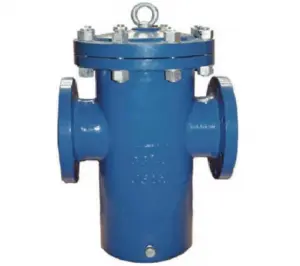
Basket strainers provide a larger filtration area and are often installed in low-velocity pipelines. Their removable basket design allows easy cleaning, making them suitable for water treatment plants, chemical processing, and cooling systems.
T-Type Strainers
T-type strainers offer high dirt-holding capacity and customizable configurations. They are commonly used in petrochemical industries, seawater systems, and applications requiring higher filtration precision.
Duplex Strainers
Duplex strainers consist of two housings, allowing one chamber to operate while the other is cleaned. They are essential for continuous-flow operations, such as power plants, refinery systems, and critical cooling circuits where shutdown is not an option.
Key Features and Functional Benefits of Industrial Strainers
High-quality strainers provide multiple operational and maintenance benefits that help businesses maintain productivity and reduce long-term operating costs.
• Protection of pumps, compressors, valves, and meters from debris-related damage
• Improved flow stability and reduced pressure spikes
• Lower maintenance requirements due to early filtration of solids
• Extended service life for downstream equipment
• Suitable for handling water, oils, corrosive liquids, gas, and steam
• Options for coarse or fine mesh depending on system requirements
• Compatibility with various materials including ductile iron, cast iron, carbon steel, and stainless steel
Material Options for Strainer Construction
The choice of strainer material directly affects durability, corrosion resistance, and suitability for different industries.
Cast Iron
Commonly used for standard water systems, municipal pipelines, HVAC systems, and general industrial applications.
Ductile Iron
Provides higher strength and improved impact resistance, ideal for water supply networks, irrigation systems, and medium-pressure pipes.
Carbon Steel
Preferred for petroleum, heat transfer oil systems, and high-temperature applications.
Stainless Steel
Corrosion-resistant and suitable for chemicals, food processing, pharmaceuticals, seawater, and aggressive media.
Applications Across Industrial and Commercial Sectors
Strainers are used across nearly every fluid-handling industry due to their versatility and protective function.
• HVAC cooling systems and chilled water loops
• Municipal water supply and wastewater treatment
• Irrigation pipelines and agricultural water systems
• Power plant cooling lines and boiler feeding systems
• Petroleum refining, petrochemical transport, and fuel systems
• Marine and offshore fluid-handling applications
• Industrial manufacturing and process-control pipelines
• Food, beverage, and pharmaceutical production systems
Their broad application reflects their ability to protect valuable equipment and maintain fluid system hygiene.
Selecting the Right Strainer for Your System
Choosing the correct strainer requires evaluating several engineering and operational factors.
• Type of fluid: clean water, slurry, oil, steam, chemicals
• Filtration level needed (mesh size)
• Pressure rating and temperature conditions
• Required flow capacity and pipeline diameter
• Material compatibility with the fluid
• Maintenance frequency and accessibility
• Whether continuous operation is required (duplex strainer recommended)
A thoughtful selection ensures optimal performance and minimal operational disruption.
Installation and Maintenance Considerations
Proper installation and maintenance greatly influence long-term performance.
• Install strainers upstream of pumps, valves, and sensitive instruments
• Ensure clearance space for basket or mesh removal
• Monitor pressure drop to detect clogging
• Clean the strainer regularly based on system load
• Select appropriate gasket materials for chemical compatibility
• Verify correct flow direction as indicated by the strainer housing
Routine maintenance improves operational efficiency and prevents unexpected failures.
Summary
Strainers are critical components in industrial fluid systems, providing essential protection against debris, reducing equipment wear, and ensuring stable operation. By selecting the correct strainer type—whether Y-type, basket, T-type, or duplex—companies can enhance filtration performance and extend the life of downstream equipment. With proper material selection, installation, and maintenance, strainers deliver reliable, long-term performance across a wide range of industries.
FAQ
1. What is the main purpose of an industrial strainer?
An industrial strainer removes debris and solid particles from fluid systems, protecting pumps, valves, and equipment from clogging and damage.
2. Which industries commonly use strainers?
Strainers are widely used in water treatment, HVAC systems, petrochemical pipelines, irrigation, power plants, and manufacturing facilities.
3. How is the correct mesh size selected?
Mesh size depends on the fluid quality and the sensitivity of downstream equipment. Fine mesh is used for precision filtration, while coarse mesh fits high-flow or general-purpose systems.
4. When should a duplex strainer be chosen?
A duplex strainer is ideal for continuous-flow systems where shutdowns are not allowed, as it enables cleaning one chamber while the other remains in operation.
Post time: Dec-02-2025