




In industrial and municipal piping systems, selecting the right valve is essential for ensuring system efficiency, safety, and reliability. A soft seal butterfly valve is a popular choice across industries due to its excellent sealing performance, versatility, and cost-effective design. For engineers, procurement managers, and plant operators, understanding the features, benefits, and applications of soft seal butterfly valves is key to making informed decisions that enhance operational efficiency.
What is a Soft Seal Butterfly Valve?
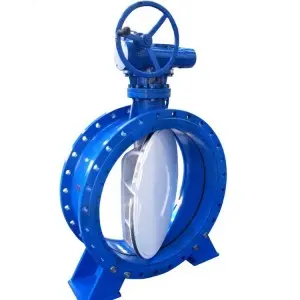
A soft seal butterfly valve is a type of quarter-turn valve where a disc rotates to regulate flow. Unlike metal-seated butterfly valves, the soft seal design incorporates an elastomer or rubber lining on the valve body or disc, ensuring a tight, leak-proof seal. These valves are particularly effective in water, wastewater, chemical, and HVAC applications, where leak prevention and precise flow control are crucial.
Key characteristics include:
● Quarter-turn operation for fast opening and closing
● Elastomeric seat for superior sealing
● Lightweight and compact design
● Suitable for low to medium pressure applications
Design and Construction
The design of a soft seal butterfly valve focuses on durability, ease of operation, and reliable sealing:
● Valve Body: Typically made from ductile iron, cast iron, stainless steel, or carbon steel for strength and corrosion resistance
● Disc: Designed to rotate 90° for quick flow control, available in various materials to resist wear and corrosion
● Soft Seal: Rubber or elastomer seat lining ensures tight shutoff and prevents leakage
● Stem and Actuator: Can be manually operated via handwheel or automated with pneumatic, electric, or hydraulic actuators
● End Connections: Wafer, lug, or flanged ends for easy installation into pipeline systems
These design elements ensure smooth operation, leak-free sealing, and adaptability for multiple industrial and municipal applications.
Advantages of Soft Seal Butterfly Valves
Using a soft seal butterfly valve offers several benefits for B2B applications:
● Leak-Free Sealing: Elastomeric seat provides tight closure, reducing water or fluid loss
● Cost-Effective: Lightweight design reduces material costs and installation time
● Easy Operation: Quarter-turn mechanism allows for rapid opening and closing
● Low Maintenance: Durable materials and simple construction minimize maintenance requirements
● Versatility: Suitable for water, wastewater, HVAC, chemical, and low-pressure industrial systems
Applications
Soft seal butterfly valves are widely used across industries due to their reliable performance:
● Municipal Water Systems: Isolation and flow control in water distribution networks
● Wastewater Treatment: Leak-proof control for treated and untreated water
● HVAC Systems: Regulating flow in heating, ventilation, and cooling systems
● Chemical Processing: Handling non-abrasive chemicals safely
● Industrial Pipelines: Flow regulation in cooling water, process water, and utility lines
These valves are particularly valuable in systems where leak prevention, quick operation, and low maintenance are priorities.
Installation and Maintenance Tips
Proper installation and maintenance are essential to ensure the long-term performance of soft seal butterfly valves:
● Ensure correct alignment of the valve with the pipeline to avoid stress on the body
● Periodically inspect the disc and seat for wear, corrosion, or debris buildup
● Lubricate the stem or actuator as recommended by the manufacturer
● Follow pressure and operational guidelines to prevent overstressing the elastomeric seal
Regular maintenance helps extend valve life, reduces downtime, and maintains operational efficiency.
Conclusion
A soft seal butterfly valve is a versatile, reliable, and cost-effective solution for flow regulation and isolation in industrial and municipal piping systems. Its elastomeric sealing ensures leak-free operation, while the lightweight, compact design simplifies installation and maintenance. For engineers, procurement managers, and plant operators, understanding the benefits and proper use of soft seal butterfly valves is critical for achieving efficient, safe, and long-lasting system performance.
FAQ
Q1: What is the difference between a soft seal and a metal-seated butterfly valve?
Soft seal butterfly valves use elastomeric seats for tight sealing, while metal-seated valves rely on metal-to-metal contact and are suitable for high-temperature or abrasive applications.
Q2: Can soft seal butterfly valves handle high-pressure systems?
They are typically designed for low to medium pressure applications; for high-pressure systems, metal-seated butterfly valves are recommended.
Q3: Are soft seal butterfly valves suitable for chemical applications?
Yes, as long as the elastomer material is compatible with the chemical being handled.
Q4: How often should soft seal butterfly valves be maintained?
Periodic inspections, cleaning of the disc and seat, and lubrication as per manufacturer guidelines are recommended to ensure long-term performance.
Post time: Jan-22-2026