




Replacing a pipeline can be difficult when the new pipe has a different outside diameter, material, or connection arrangement from the original. Nearby valves, pumps, and flanged components may still be serviceable, so replacing the entire connection system can add labor, downtime, and cost. A Universal Flange Adaptor can provide a practical connection option when a replacement pipe must connect to an existing flanged system. Within its specified dimensional and operating range, it can accommodate certain differences between the pipe and the flange connection. This may reduce the need for extensive pipeline modifications. The key is to confirm the actual connection conditions before selecting the product.
Why Can Pipe Replacement Create Connection Problems?
Existing pipelines are often repaired or extended over many years, sometimes with components from different manufacturers. A new pipe may therefore fail to match the original dimensions or connection arrangement.
Outside diameter is one common source of difficulty. Pipes with the same nominal size can have different actual outside diameters because of their material, wall thickness, or manufacturing standard. A fitting selected only by nominal size may therefore be unsuitable for the pipe being installed.
Material changes create another challenge. A replacement pipe may have different dimensional or sealing requirements while still needing to connect to the same valve or pipeline equipment.
Modifications may also be difficult in underground networks, equipment rooms, or operating facilities where access is limited. Removing a valve or fabricating a custom transition can require more labor and a longer shutdown.
A Universal Flange Adaptor may be worth considering when the new pipe and existing flange can be connected within the product’s approved range.
How Does a Universal Flange Adaptor Help With Replacement?
A Universal Flange Adaptor is designed to connect a compatible pipe to a flanged component. Its pipe-side connection can accommodate specified variations in outside diameter, while its flange side provides the connection to equipment or another pipeline component. The exact range and configuration depend on the product design.
For example, a damaged water pipe may need replacement while its connected valve remains serviceable. If the replacement pipe has a different outside diameter, an adaptor may connect it to the existing valve, provided the flange and pipe dimensions fall within the product’s permitted range.
This may avoid replacing equipment that does not need maintenance and reduce additional fabrication or changes to adjacent pipe sections.
Potential benefits include:
-
More flexible connection planning: The adaptor may accommodate specified pipe-diameter differences when connecting compatible pipes to flanged components.
-
Less modification work: A suitable product can reduce the need for custom fabrication or replacement of otherwise serviceable equipment.
-
Simpler maintenance planning: It offers an alternative for certain repairs where the new pipe does not reproduce the original dimensions.
-
Better use of existing components: Valves, pumps, or other flanged equipment may remain in place if their condition and connection details are suitable.
These benefits depend on correct selection. The adaptor’s adjustment range, pressure rating, materials, and installation limits must be checked; it does not fit every pipe or flange standard.
Which Replacement Situations May Require an Adaptor?
Replacing a pipe while retaining a valve: If a damaged pipe must be replaced but its connected valve is still serviceable, an adaptor may connect a dimensionally compatible new pipe to the existing flanged valve.
Connecting different pipe materials: Different materials may have different outside diameters and sealing requirements. Check that the adaptor is approved for the pipe material, dimensions, and application.
Repairing older systems: An adaptor may help when existing dimensions or connection arrangements are difficult to match with newly sourced components, provided a suitable configuration is available.
Extending a pipeline: An adaptor may connect a new section to existing flanged equipment when dimensional and operating requirements are met.
If the difference exceeds the permitted range or the flange is incompatible, another fitting or a custom transition may be required. Selection must be based on actual conditions, not the product name alone.
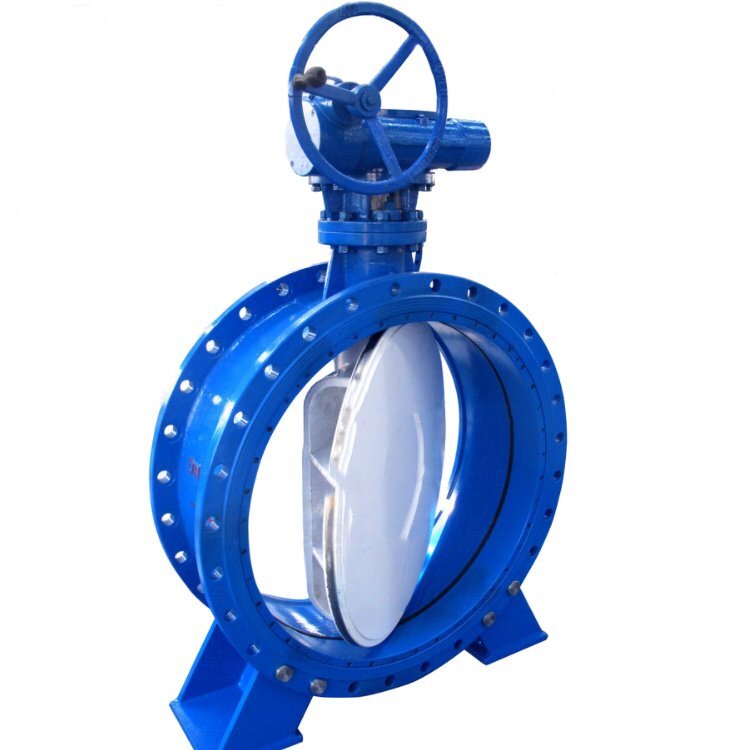
What Should Buyers Check Before Selecting a Universal Flange Adaptor?
Choosing an adaptor by nominal pipe size alone is not enough. Incomplete information can lead to a product that is difficult to install or unsuitable for the operating conditions. Buyers should confirm the following details before requesting a quotation.
Actual pipe outside diameter
Measure the pipe’s actual outside diameter and compare it with the adaptor’s specified range. Do not rely only on nominal size, particularly when the existing and replacement pipes are made from different materials or follow different standards.
Flange dimensions and standard
Check the flange nominal size, applicable standard, bolt-hole arrangement, and pressure class. The adaptor may fit the pipe but still fail to match the existing valve, pump, or pipeline flange. Confirming both sides of the connection is essential.
Working pressure and conveyed medium
The working pressure must be within the product’s rated limits. The conveyed medium also affects material and seal selection; water, wastewater, and industrial fluids may have different compatibility requirements. Provide the supplier with actual operating conditions.
Pipe material and end condition
Confirm that the adaptor is designed for the pipe material and that the pipe end is suitable. Corrosion, deformation, or an uneven surface can affect the connection. The adaptor cannot compensate for a pipe end outside the manufacturer’s requirements.
Alignment and available space
Check that the pipe can be positioned correctly and that there is room to fit the adaptor and tighten bolts. Do not use it to correct misalignment beyond the manufacturer’s limits.
Providing these details early reduces the risk of ordering an unsuitable product.
How Can an Incorrect Adaptor Increase Project Costs?
An unsuitable adaptor can create costs beyond its purchase price. A dimensional mismatch may require machining, replacement parts, or another connection design. Repeated installation attempts also increase labor and downtime.
Flange incompatibility is another avoidable problem. Even when the pipe-side connection is correct, a different bolt-hole arrangement or pressure class can prevent proper installation. Ignoring the conveyed medium or sealing requirements may create reliability concerns after the pipeline returns to service.
“Universal” does not mean unlimited compatibility. Every Universal Flange Adaptor has dimensional and operating limits that must be compared with the actual pipeline conditions.
A more reliable purchasing process begins with accurate measurements, clear application information, and confirmation of the product’s technical specifications. This helps reduce avoidable modifications and supports a more predictable replacement schedule.
Finding a Suitable Universal Flange Adaptor for Your Project
Before selecting a Universal Flange Adaptor, prepare the pipe material, actual outside diameter, nominal size, flange details, working pressure, conveyed medium, and installation conditions. Explain whether it is for routine maintenance, urgent replacement, or a pipeline upgrade. Drawings or photographs can clarify the connection requirements.
RMT Flowtech provides pipeline connection solutions for different operating requirements. When evaluating a Universal Flange Adaptor, users should confirm the available size range, flange compatibility, material suitability, sealing arrangement, and operating limits with the supplier. Accurate project information makes it easier to assess whether a standard adaptor is appropriate or whether another connection solution is needed.
Conclusion
Pipe replacement becomes difficult when a new section does not match the dimensions or connection arrangement of the existing pipeline. A Universal Flange Adaptor may simplify suitable projects by connecting compatible pipes to existing flanged components and reducing unnecessary modifications. Successful selection still depends on actual pipe measurements, flange compatibility, pressure, medium, material, and installation conditions. Confirming these details before purchasing helps users choose a practical connection and avoid preventable project costs.
FAQs
1. Can a Universal Flange Adaptor connect pipes with different outside diameters?
Yes, when the difference falls within the adaptor’s specified adjustment range. Measure the actual pipe outside diameter and compare it with the product specifications before ordering.
2. Can one adaptor be used for both plastic and metal pipes?
Not necessarily. Compatibility depends on the adaptor design, pipe dimensions, material, pressure, and sealing requirements. Confirm the approved pipe materials with the supplier.
3. Does “universal” mean the adaptor fits every flange?
No. The flange size, standard, bolt-hole arrangement, and pressure class must match the connected component. The product’s technical documentation should be checked before installation.
4. What information should be included in an adaptor inquiry?
Provide the pipe material, actual outside diameter, nominal size, flange details, working pressure, conveyed medium, and installation conditions. A drawing or photograph of the connection can also help the supplier assess the application.
Post time: Nov-19-2026