




In industrial piping systems, valves play a critical role in regulating fluid flow, ensuring safety, and maintaining system efficiency. Among the various types of valves, ductile iron plug valves have gained significant popularity due to their strength, durability, and versatility. Understanding what a ductile iron plug valve is, and why it might be chosen over other valve types, is crucial for engineers, procurement specialists, and facility managers responsible for designing, maintaining, or upgrading industrial systems.
Understanding Ductile Iron Plug Valves
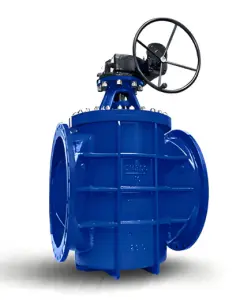
A ductile iron plug valve is a type of quarter-turn valve that uses a cylindrical or conically tapered plug to control the flow of liquids or gases. The plug has one or more hollow passages that align with the flow when rotated, allowing the fluid to pass through. Ductile iron, known for its excellent tensile strength, ductility, and corrosion resistance, forms the body material of the valve, giving it superior durability compared to traditional cast iron.
Key features of ductile iron plug valves include:
● Quarter-Turn Operation: Easy and quick operation, reducing the time needed to open or close the valve.
● Robust Construction: Ductile iron provides high strength and impact resistance, suitable for high-pressure systems.
● Versatile Flow Control: Supports on/off and moderate throttling applications.
● Corrosion and Abrasion Resistance: Enhanced durability when handling abrasive or chemically aggressive fluids.
Advantages of Ductile Iron Plug Valves
Choosing a ductile iron plug valve provides multiple operational and economic benefits in industrial applications:
● Durability and Long Lifespan: Ductile iron is less prone to cracking under stress and performs well under high pressure and temperature conditions, ensuring long-term reliability.
● Reduced Maintenance Requirements: Plug valves generally have fewer moving parts than ball or gate valves, which minimizes wear and simplifies maintenance. Some designs allow maintenance without removing the valve from the pipeline.
● Abrasion Resistance: Ideal for slurry, wastewater, or other abrasive media, reducing the likelihood of internal wear and leakage.
● Corrosion Resistance: With appropriate coatings, ductile iron plug valves resist corrosion from water, chemicals, and industrial fluids.
● Compact Design: Compared to some alternative valves, ductile iron plug valves occupy less space while maintaining the same flow capacity, which is valuable in confined piping layouts.
● Versatile Configurations: Multi-port designs (e.g., three-way or four-way configurations) allow complex piping layouts without additional fittings or valves, simplifying system design.
Typical Applications
Ductile iron plug valves are widely used across industries where durability, reliability, and ease of operation are critical:
● Water and Wastewater Treatment: Handle abrasive sludge, chemicals, and high-flow water systems effectively.
● Chemical Processing: Resistant to corrosive and aggressive chemicals, suitable for industrial chemical pipelines.
● Oil and Gas: Reliable for crude oil, refined product, and natural gas pipelines requiring high-pressure tolerance and tight sealing.
● Power Generation: Used in cooling water, steam, and other utility systems that demand robust, durable valves.
● Food and Beverage Industry: Hygienic designs of ductile iron plug valves allow for easy cleaning and safe fluid handling.
Why Choose a Ductile Iron Plug Valve Over Other Valve Types?
While ball valves, gate valves, and butterfly valves are commonly used, ductile iron plug valves provide unique advantages in certain scenarios:
● Handling Abrasive Fluids: Unlike ball or gate valves, plug valves resist internal wear when transporting particles or slurry.
● High Pressure and Temperature Applications: Ductile iron plug valves maintain structural integrity and sealing performance under challenging conditions.
● Flexibility in Flow Routing: Multi-port plug valves reduce the need for additional fittings and simplify complex system layouts.
● Ease of Operation and Maintenance: Quick quarter-turn operation and fewer moving parts reduce labor and operational costs.
● Long-Term Reliability: The combination of ductile iron strength and corrosion resistance ensures consistent performance over years of service.
Conclusion
A ductile iron plug valve is a reliable, durable, and versatile solution for controlling fluid flow in a wide range of industrial applications. Its robust construction, resistance to abrasion and corrosion, ease of operation, and ability to handle complex flow routing make it a preferred choice for water treatment, chemical processing, oil and gas, and other demanding industries. For B2B buyers and engineers, understanding the unique advantages of ductile iron plug valves helps optimize system performance, reduce maintenance costs, and ensure long-term operational efficiency.
FAQ
Q1: What fluids are suitable for ductile iron plug valves?
Ductile iron plug valves handle water, wastewater, slurry, chemicals, oils, and other abrasive or corrosive fluids.
Q2: Can ductile iron plug valves be used for throttling?
Yes, they are suitable for moderate throttling applications, though extreme throttling may require specialized valve designs.
Q3: How does a ductile iron plug valve compare to a ball valve?
Ductile iron plug valves offer better abrasion resistance, longer lifespan under high pressure, and flexibility for multi-port configurations, while ball valves are typically faster for simple on/off control.
Q4: Are ductile iron plug valves easy to maintain?
Yes, many designs allow in-place maintenance without disassembly, reducing downtime and operational costs.
Post time: Jan-08-2026