




In industrial and municipal piping systems, valve selection plays a crucial role in controlling flow, ensuring safety, and maintaining long-term reliability. Among the various valve types available, cast iron gate valves remain a staple for pipeline isolation due to their durability, cost-effectiveness, and dependable sealing performance. For engineers, procurement managers, and plant operators, understanding the applications and benefits of cast iron gate valves is vital for maintaining operational efficiency and infrastructure integrity.
What Is a Cast Iron Gate Valve?
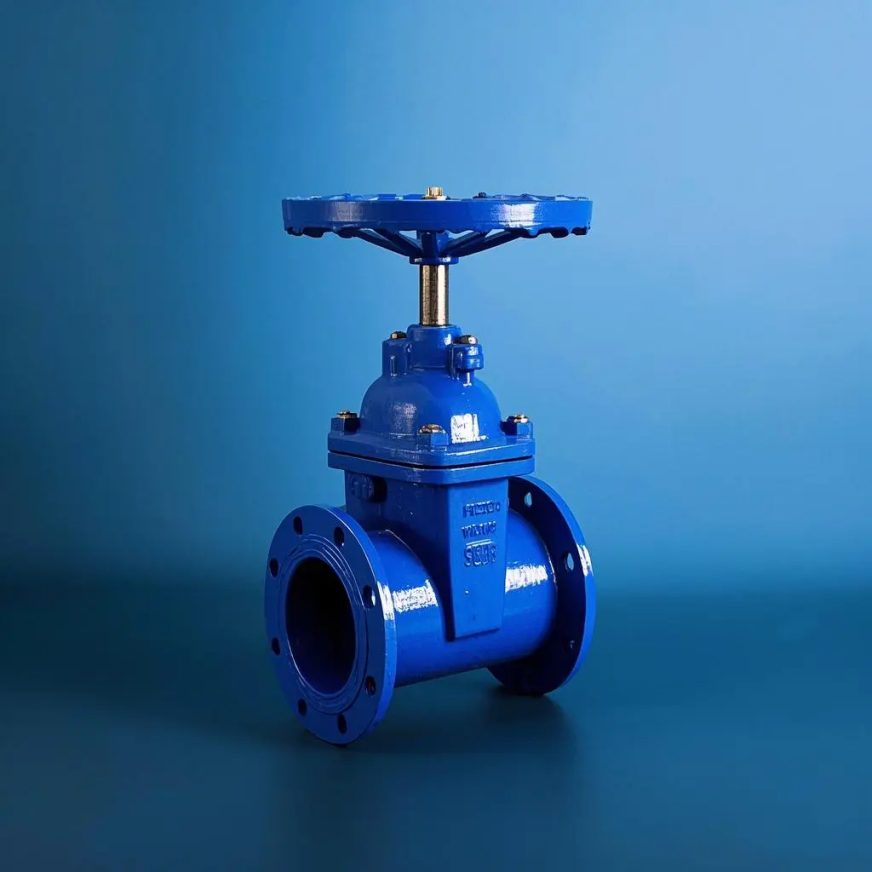
A cast iron gate valve is a linear motion valve that uses a wedge-shaped gate to regulate the flow of fluids. When the valve is fully open, the gate retracts into the valve body, allowing unobstructed flow. When fully closed, the gate presses tightly against the valve seats, stopping the flow completely. Cast iron, known for its strength and corrosion resistance, provides a cost-effective material for valves in water supply, wastewater treatment, and industrial systems.
Key features of cast iron gate valves include:
● Durable cast iron construction for long service life
● Full bore design for minimal pressure loss when open
● Rising or non-rising stem configurations for versatile installation
● Reliable sealing suitable for low- to medium-pressure applications
Advantages of Cast Iron Gate Valves
Choosing a cast iron gate valve offers several benefits in industrial and municipal projects:
● Durability: Cast iron provides a robust structure that withstands operational stress
● Cost-Effectiveness: Compared to stainless steel or ductile iron, cast iron valves are more economical while maintaining reliability
● Reliable Isolation: Tight sealing ensures minimal leakage, even in critical applications
● Versatile Applications: Suitable for potable water, wastewater, cooling water, and industrial process lines
● Low Maintenance: Simple mechanical design reduces operational and maintenance costs
These advantages make cast iron gate valves a preferred choice for large-scale B2B procurement in water and industrial infrastructure projects.
Common Applications
Cast iron gate valves are widely used across various industries due to their reliability and durability:
● Municipal Water Systems: For isolating pipeline sections, valves in distribution networks, and maintenance operations
● Wastewater Treatment: Ensuring secure flow isolation for treatment processes
● Industrial Facilities: Regulating flow in cooling water, process lines, and fire protection systems
● HVAC Systems: Controlling hot and chilled water in heating, ventilation, and air conditioning networks
● Power Plants: Isolating auxiliary and service pipelines for maintenance and safety
These applications demonstrate the importance of cast iron gate valves in both operational safety and system efficiency.
Types of Cast Iron Gate Valves
Cast iron gate valves can be classified based on the stem type and wedge design:
● Rising Stem Gate Valves: The stem moves up and down with gate movement, providing a visual indication of valve position
● Non-Rising Stem Gate Valves: The stem remains stationary while the gate moves, suitable for confined spaces
● Solid Wedge Gate Valves: The wedge is a single piece, providing consistent sealing for low-pressure applications
● Flexible Wedge Gate Valves: Designed to accommodate thermal expansion and reduce seat leakage, ideal for varying pressure systems
Selecting the correct type depends on pipeline conditions, installation requirements, and operational priorities.
Installation and Maintenance Tips
Proper installation and maintenance are essential for ensuring long-term performance of cast iron gate valves:
● Align the valve correctly with the pipeline to prevent stress on the body
● Periodically operate the valve to avoid sticking in long-unused lines
● Inspect sealing surfaces and threads for wear or corrosion
● Lubricate the stem if required by the manufacturer
Following these practices enhances valve longevity and reduces maintenance downtime.
Conclusion
Cast iron gate valves are reliable, durable, and cost-effective solutions for flow isolation in municipal and industrial piping systems. Their robust construction, dependable sealing, and versatility make them a go-to choice for engineers and procurement teams managing water supply, wastewater treatment, and industrial process applications. Selecting the right cast iron gate valve ensures efficient, safe, and long-term operation of critical infrastructure systems.
FAQ
Q1: What is the primary purpose of a cast iron gate valve?
The primary purpose is to provide reliable flow isolation by completely opening or closing the pipeline.
Q2: Can cast iron gate valves be used for high-pressure systems?
They are typically suitable for low- to medium-pressure systems; for high-pressure applications, ductile iron or steel gate valves are recommended.
Q3: What industries commonly use cast iron gate valves?
Municipal water supply, wastewater treatment, HVAC, industrial process lines, and power generation.
Q4: How should cast iron gate valves be maintained?
Periodic operation, inspection of sealing surfaces, alignment checks, and lubrication as recommended by the manufacturer.
Post time: Feb-03-2026