




In industrial pipeline systems, controlling flow accurately and safely is critical for operational efficiency and long-term reliability. The Rising Stem Gate Valve is a proven solution for managing fluid flow in demanding B2B applications. Its visible stem operation and robust design make it a preferred choice for water supply networks, wastewater systems, oil and gas pipelines, and other heavy-duty industrial projects.
What Is a Rising Stem Gate Valve?
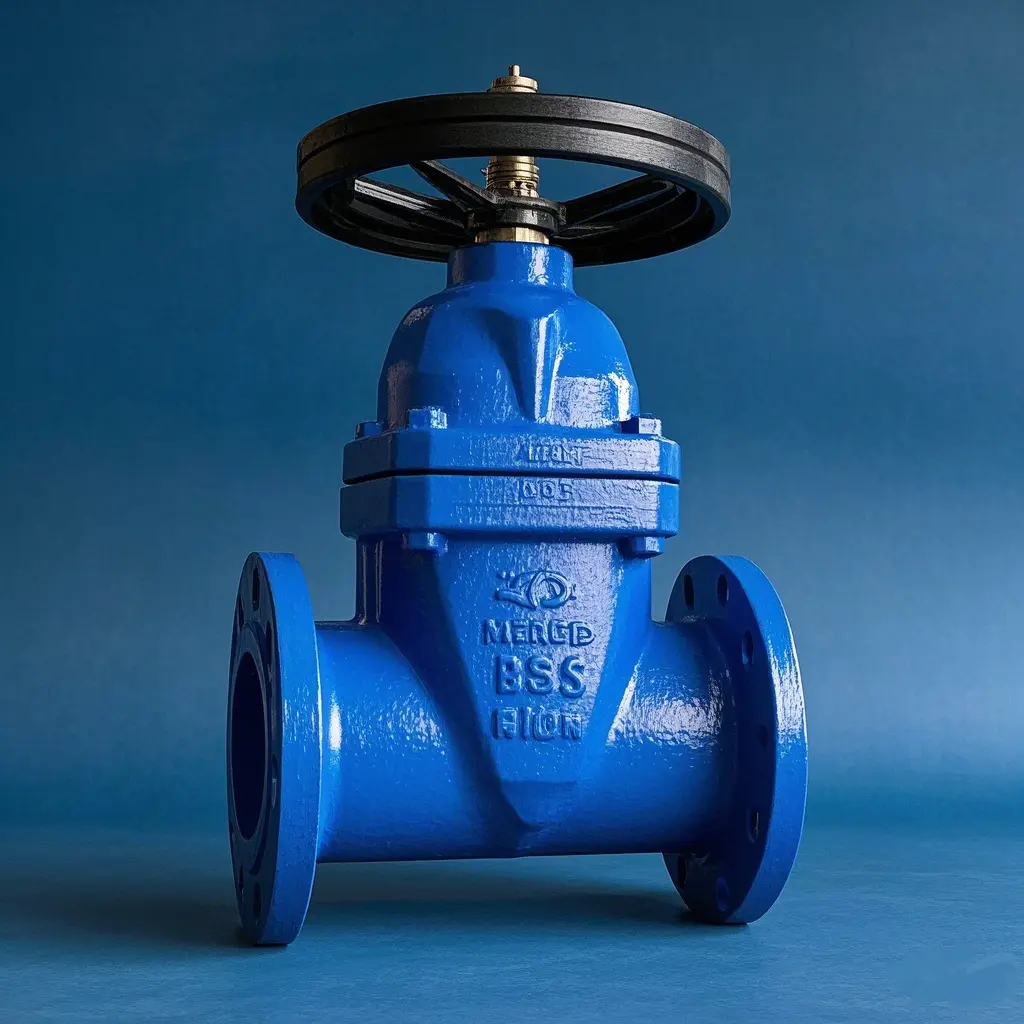
A Rising Stem Gate Valve, also known as a OS&Y (Outside Screw & Yoke) valve, features a stem that moves vertically as the valve is operated. When the valve opens or closes, the stem rises or lowers, providing a clear visual indication of the valve position. The valve consists of a gate or wedge that blocks or allows fluid flow, combined with a durable body structure to withstand high pressures.
Key components include:
● Valve Body – Constructed from cast iron, ductile iron, or steel for high strength and corrosion resistance
● Rising Stem – Externally threaded stem that moves vertically to operate the gate
● Gate/Wedge – Solid or flexible wedge that ensures tight sealing when the valve is closed
● Bonnet – Protects internal components and supports the stem mechanism
● Seat Rings – Provide leak-proof sealing and reduce wear between gate and valve body
The external rising stem allows operators to monitor valve status without requiring additional position indicators, which simplifies maintenance and improves safety.
How Rising Stem Gate Valves Work
The rising stem mechanism operates as follows:
● Turning the handwheel clockwise lowers the stem, closing the gate and blocking fluid flow
● Turning the handwheel counterclockwise raises the stem, opening the gate and allowing full flow
● The stem’s vertical movement provides a visual cue of valve position, reducing operational errors
● Wedge or solid gate ensures tight sealing, minimizing leakage when fully closed
This design is particularly suited for pipelines that require complete shut-off rather than throttling, offering low-pressure drop when fully open.
Types of Rising Stem Gate Valves
Rising Stem Gate Valves come in various designs to suit different industrial needs:
● Solid Wedge Gate Valve – A single-piece gate providing robust sealing, ideal for moderate temperatures and pressures
● Flexible Wedge Gate Valve – Designed to compensate for thermal expansion and minor misalignment, suitable for high-temperature water and steam pipelines
● Parallel Slide Gate Valve – Offers a flat gate that slides between seat rings for systems with abrasive fluids or large pressure variations
● Non-Rising Stem Variants – Some rising stem designs are adapted for space-limited installations while retaining visual operation feedback
Selecting the right type ensures optimal performance, reduces maintenance frequency, and prolongs valve life.
Applications in Industrial and Municipal Projects
Rising Stem Gate Valves are widely used in industries requiring reliable isolation and control:
● Water Supply Networks – Provides clear visual indication for valve position and reliable shut-off
● Wastewater Treatment – Handles corrosive or contaminated fluids with minimal leakage
● Oil & Gas Pipelines – Controls crude oil, refined products, or gas in high-pressure environments
● Power Plants – Regulates cooling water and steam lines efficiently
● Industrial Manufacturing – Used in chemical and process industries for safety-critical flow isolation
Their durability, visibility, and low maintenance needs make them an essential choice for B2B engineering and procurement teams.
Advantages for B2B Buyers
For project engineers and procurement managers, Rising Stem Gate Valves offer several key benefits:
● Visual Operation Feedback – Rising stem allows operators to quickly assess valve status
● Full Flow Efficiency – Low-pressure drop in fully open position improves system performance
● Reliable Shut-Off – Tight sealing ensures no leakage for safety-critical systems
● Durable Construction – Cast iron, ductile iron, or steel options resist corrosion and mechanical stress
● Ease of Maintenance – Externally accessible stem and yoke simplify inspection and repairs
● Versatile Application – Suitable for water, wastewater, steam, oil, and chemical pipelines
These advantages help B2B buyers ensure long-term reliability and operational efficiency across industrial projects.
Installation and Maintenance Tips
Proper installation and maintenance maximize valve performance:
● Ensure vertical alignment of valve for correct stem operation
● Install isolation valves upstream and downstream for maintenance flexibility
● Periodically lubricate stem threads and gate components
● Inspect seat rings and wedge for wear or corrosion
● Operate valves periodically to prevent sticking or seizing in long-term installations
Routine inspection and preventive maintenance prolong service life and reduce the risk of pipeline downtime.
Conclusion
A Rising Stem Gate Valve is a critical component for industrial and municipal pipeline systems. Its visible stem, reliable shut-off, and durable construction provide clear operational feedback and enhanced system safety. For B2B engineers, procurement specialists, and facility managers, choosing high-quality rising stem gate valves ensures efficient flow control, reduced maintenance costs, and long-term operational stability. As pipeline networks continue to expand in scale and complexity, these valves remain indispensable for sustainable industrial operation.
FAQ
1. What is the main advantage of a rising stem gate valve?
Its rising stem provides visual feedback of valve position and ensures reliable full shut-off.
2. Where are rising stem gate valves commonly used?
They are widely used in water supply, wastewater, oil & gas, power generation, and chemical process pipelines.
3. How does a flexible wedge differ from a solid wedge?
Flexible wedges can compensate for thermal expansion and minor misalignment, reducing seat wear in high-temperature or fluctuating pressure systems.
4. How often should rising stem gate valves be maintained?
Maintenance frequency depends on operating conditions, but periodic lubrication, inspection of seats, and valve operation are recommended to ensure long-term reliability.
Post time: Mar-03-2026