




In modern pipeline engineering, selecting the right valve type is essential for balancing performance, cost, and operational efficiency. Among the most widely used flow control devices, the butterfly valve stands out for its compact design, fast operation, and versatility across industries. From water treatment plants to industrial processing systems, butterfly valves provide reliable shut-off and regulation with minimal space requirements.
For B2B engineers, contractors, and procurement professionals, understanding the working principle, advantages, and application scope of butterfly valves is critical when designing efficient and cost-effective fluid control systems.
What Is a Butterfly Valve?
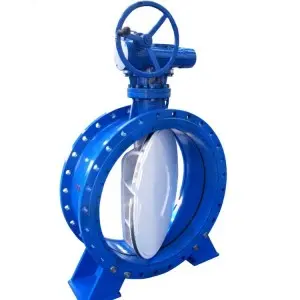
A butterfly valve is a quarter-turn valve that uses a rotating disc to regulate or isolate fluid flow within a pipeline. The disc is mounted on a central shaft, and when the valve is opened or closed, the disc rotates 90 degrees to allow or restrict flow.
Unlike gate valves or globe valves, butterfly valves are lightweight and require less material, making them a more economical option for large-diameter pipelines.
Key structural components include:
● Valve body, typically made from ductile iron, cast iron, or stainless steel
● Rotating disc that controls the flow of fluid
● Shaft that connects the disc to the actuator or handle
● Seat material, often rubber or PTFE, ensuring tight sealing
● Actuator or manual lever for operation
This simple yet effective design allows butterfly valves to deliver reliable performance in a wide range of applications.
Working Principle of Butterfly Valves
The operation of a butterfly valve is based on the rotation of the disc inside the valve body. When the disc is parallel to the flow direction, the valve is fully open, allowing fluid to pass with minimal resistance. When the disc is perpendicular to the flow, the valve is closed, blocking the flow completely.
Because of this quarter-turn mechanism, butterfly valves can be opened or closed quickly, making them suitable for applications that require rapid operation.
● 0° position represents fully closed condition
● 90° position represents fully open condition
● Intermediate positions allow flow regulation
● Low torque operation enables easy control
This straightforward mechanism ensures efficient performance and reduces mechanical complexity.
Types of Butterfly Valves
Butterfly valves are available in several designs, each suited for specific operating conditions and industry requirements.
● Concentric butterfly valve, also known as a resilient seated valve, ideal for general water applications
● Double eccentric butterfly valve, designed to reduce friction and improve sealing performance
● Triple eccentric butterfly valve, suitable for high temperature and high pressure environments
● Lug type butterfly valve, allows easy installation and maintenance
● Wafer type butterfly valve, designed for lightweight and compact pipeline systems
Selecting the appropriate type depends on factors such as pressure, temperature, and the nature of the fluid.
Advantages of Butterfly Valves
Butterfly valves are widely used in B2B industries due to their combination of efficiency and cost-effectiveness.
● Compact structure reduces installation space requirements
● Lightweight design simplifies transportation and handling
● Quick operation enables rapid shut-off or flow control
● Lower cost compared to other valve types for large diameters
● Low maintenance requirements due to simple construction
These benefits make butterfly valves a preferred choice for large-scale infrastructure and industrial systems.
Applications Across Industries
Butterfly valves are used in a broad range of industries where efficient flow control is essential.
● Municipal water supply systems for distribution and regulation
● Wastewater treatment plants for sludge and water handling
● HVAC systems for controlling air and water flow
● Chemical processing plants for handling various fluids
● Power plants for cooling water and auxiliary systems
● Food and beverage industry for hygienic flow control
Their versatility makes them suitable for both clean and slightly contaminated fluid applications.
Installation Considerations
Proper installation is crucial to ensure optimal valve performance and longevity.
● Ensure correct alignment between valve and pipeline flanges
● Select appropriate gasket materials for sealing
● Avoid excessive torque during installation
● Install in a position that allows easy operation and maintenance
● Check for proper disc clearance before operation
Following these guidelines helps prevent premature wear and ensures reliable operation.
Maintenance and Operational Efficiency
Butterfly valves require relatively low maintenance, but routine checks are recommended.
● Inspect seat and disc for wear or damage
● Ensure smooth rotation of the shaft
● Check sealing performance periodically
● Clean internal components if handling contaminated fluids
● Replace worn parts to maintain efficiency
Regular maintenance helps extend service life and maintain consistent performance.
Butterfly Valve vs Gate Valve
Understanding the difference between butterfly valves and gate valves helps in selecting the right solution.
● Butterfly valves offer faster operation and compact design
● Gate valves provide better full shut-off in certain high-pressure applications
● Butterfly valves are more cost-effective for large diameters
● Gate valves require more installation space
Choosing between the two depends on system requirements and operational priorities.
Conclusion
The butterfly valve is a highly efficient and versatile solution for modern flow control applications. Its compact design, quick operation, and cost advantages make it ideal for municipal, industrial, and commercial systems. For B2B professionals, investing in high-quality butterfly valves ensures reliable performance, reduced maintenance costs, and improved system efficiency.
As industries continue to demand more efficient and scalable fluid control solutions, butterfly valves remain a key component in achieving optimal pipeline performance.
FAQ
1. What is the main function of a butterfly valve?
It is used to regulate or isolate fluid flow in a pipeline through a rotating disc mechanism.
2. Where are butterfly valves commonly used?
They are widely used in water systems, wastewater treatment, HVAC, chemical processing, and power plants.
3. What are the advantages of butterfly valves?
They offer compact design, quick operation, low cost, and minimal maintenance requirements.
4. How do butterfly valves differ from gate valves?
Butterfly valves operate faster and take up less space, while gate valves are better suited for certain high-pressure applications.
Post time: Apr-21-2026