




In modern industrial and municipal pipeline engineering, valve performance plays a decisive role in system efficiency, operational safety, and long-term maintenance costs. As flow systems become larger and more complex, traditional concentric butterfly valves often struggle to meet requirements for high pressure, low wear, and long service life. The Double Eccentric Flanged Butterfly Valve has emerged as a high-performance solution designed specifically to handle demanding operating conditions while maintaining excellent sealing and low torque operation.
For B2B engineers, EPC contractors, and industrial procurement teams, understanding this valve type is essential when selecting equipment for large-scale water, energy, and industrial pipeline systems.
What Is a Double Eccentric Flanged Butterfly Valve?
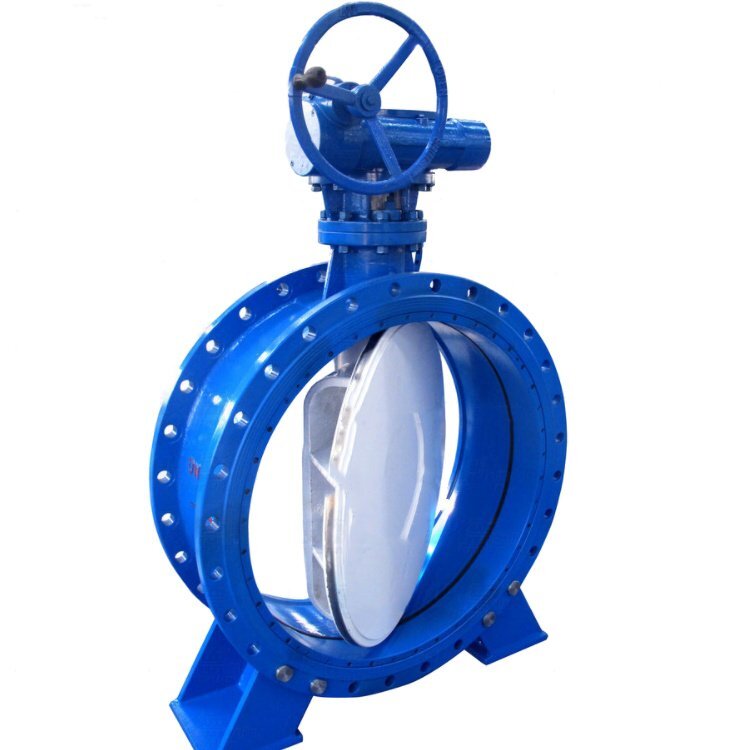
A double eccentric flanged butterfly valve is an advanced quarter-turn valve designed with two offsets (eccentricities) between the disc, shaft, and valve body centerline. These offsets significantly reduce friction between the sealing surfaces during opening and closing, improving durability and operational efficiency.
The valve is typically installed between pipeline flanges and is widely used in medium-to-large diameter pipelines where reliable shut-off and long service life are required.
Key structural features include:
● Double eccentric shaft design to reduce disc-seat contact
● Flanged end connections for strong pipeline integration
● Metal-to-soft or metal-to-metal sealing options
● Reinforced valve body suitable for high-pressure environments
● Low-friction opening and closing mechanism
This design improves both performance and lifespan compared to traditional concentric butterfly valves.
How Double Eccentric Design Improves Performance
The defining feature of this valve is its double offset structure, which significantly enhances mechanical efficiency and sealing behavior.
First Eccentricity
The shaft is positioned behind the centerline of the disc, reducing continuous friction between the disc and seat during operation.
Second Eccentricity
The shaft is offset from the pipeline centerline, allowing the disc to disengage quickly from the seat during opening.
Combined Effect
Together, these two offsets create a cam-like motion that minimizes wear and improves sealing precision.
● Reduced friction during operation
● Lower torque requirement for actuation
● Extended sealing surface lifespan
● Improved resistance to high-pressure sealing stress
This mechanical advantage is the core reason why double eccentric valves are widely used in critical infrastructure systems.
Key Advantages in Industrial Applications
The double eccentric flanged butterfly valve offers a range of performance benefits that make it suitable for demanding engineering environments.
● High durability under frequent operation cycles
● Reduced operating torque compared to concentric valves
● Improved sealing performance under medium and high pressure
● Lower maintenance frequency due to reduced seat wear
● Stable performance in large diameter pipelines
● Compatible with electric, pneumatic, or hydraulic actuators
These advantages make it a preferred choice for long-term infrastructure investments.
Material Construction and Engineering Design
Material selection is critical to ensure performance under varying fluid conditions, pressure levels, and environmental exposure.
Valve Body
Common materials include ductile iron, carbon steel, and stainless steel depending on corrosion resistance and pressure requirements.
Disc
The disc is often coated or fabricated using stainless steel or nickel-based alloys to improve wear resistance and reduce friction.
Seat System
Depending on application needs, sealing systems may include:
● EPDM for water systems
● NBR for oil and industrial fluids
● PTFE for chemical resistance
● Metal seats for high-temperature applications
Shaft and Bearings
High-strength stainless steel shafts ensure stable torque transmission and corrosion resistance in aggressive environments.
Applications Across Industrial Sectors
Double eccentric flanged butterfly valves are widely used in industries requiring reliable flow control and long service life.
Water Supply and Distribution Systems
Used in municipal pipelines, pumping stations, and water transmission networks where stable flow control is essential.
Wastewater Treatment Plants
Handles partially contaminated fluids while maintaining sealing reliability and structural integrity.
Power Generation Systems
Used in cooling water circuits, circulating water systems, and auxiliary pipelines.
Petrochemical and Refining Industries
Suitable for non-corrosive and moderately corrosive process fluids under controlled conditions.
HVAC and District Energy Systems
Provides efficient flow control in heating and cooling water distribution networks.
Double Eccentric vs Concentric Butterfly Valves
Understanding the difference between these two designs is important for proper valve selection.
Friction and Wear
Double eccentric valves significantly reduce seat contact during operation, resulting in lower wear compared to concentric designs.
Pressure Handling Capability
Eccentric designs perform better under medium and high-pressure conditions.
Service Life
Reduced friction leads to longer sealing system lifespan.
Application Suitability
Concentric valves are typically used in low-pressure systems, while double eccentric valves are designed for more demanding industrial environments.
Operational Efficiency and Automation Compatibility
Modern industrial systems increasingly rely on automated control. Double eccentric flanged butterfly valves are fully compatible with:
● Electric actuators for remote control
● Pneumatic actuators for fast response systems
● Hydraulic actuators for high-torque applications
This compatibility makes them ideal for smart water systems and automated industrial networks.
Future Market Trends
As infrastructure systems move toward higher efficiency, longer service life, and reduced maintenance costs, demand for advanced valve technologies continues to grow. Double eccentric butterfly valves align well with these trends due to their low wear design and energy-efficient operation.
In addition, global investments in water infrastructure, energy systems, and industrial automation are expected to further increase adoption of high-performance butterfly valve technologies.
Conclusion
The Double Eccentric Flanged Butterfly Valve is a high-performance flow control solution designed for modern industrial and municipal pipeline systems. Its advanced offset design reduces friction, improves sealing reliability, and significantly extends service life compared to conventional butterfly valves.
For B2B engineers and procurement professionals, selecting this valve type can improve system efficiency, reduce operational costs, and enhance long-term reliability in demanding applications such as water supply, power generation, HVAC, and industrial processing.
As pipeline systems continue to evolve toward higher pressure and automation-driven operations, double eccentric butterfly valves will remain a key component in efficient and durable flow control solutions.
FAQ
1. What is a double eccentric butterfly valve used for?
It is used for regulating and isolating fluid flow in medium and large-diameter pipelines under medium to high pressure conditions.
2. What is the main advantage of the double eccentric design?
It reduces friction between the disc and seat, resulting in lower wear and longer service life.
3. Which industries commonly use this valve?
It is widely used in water supply systems, wastewater treatment, power plants, HVAC systems, and petrochemical industries.
4. Can it be automated?
Yes, it can be equipped with electric, pneumatic, or hydraulic actuators for automated control systems.
Post time: May-21-2026