




An Eccentric Plug Valve is a flow control valve commonly used in water supply, drainage, wastewater treatment, sewage pipelines, pump stations, industrial water systems, and municipal pipeline projects. Unlike clean water pipelines, wastewater and sewage systems often contain suspended solids, sediment, fibers, sludge, and other impurities. These working conditions require a valve that can provide reliable shutoff while reducing the risk of blockage, jamming, and sealing surface damage.
The Eccentric Plug Valve is designed for this kind of demanding pipeline environment. Its eccentric plug structure allows the sealing surface to move away from the seat during opening and closing, reducing friction and wear. When the valve is fully closed, the plug presses against the seat to form a tight seal. This design makes it especially useful for pipelines where the medium is not perfectly clean and where stable operation is required over a long service period.
For wastewater treatment plants, sewage pumping stations, municipal drainage networks, and industrial effluent systems, the Eccentric Plug Valve is not only a shutoff valve. It is a practical solution for controlling flow in pipelines where ordinary valves may face higher wear or clogging risks.
Wastewater Pipelines Need More Than Simple Shutoff
In many pipeline systems, a valve only needs to open and close clean water. However, wastewater pipelines are different. The medium may contain grit, organic matter, floating solids, sludge, or chemical residues. These materials can settle around the valve seat, scratch sealing surfaces, or increase the torque required to operate the valve.
If the selected valve is not suitable for this medium, several problems may appear during operation:
- The valve may become difficult to open or close;
- Sediment may accumulate around the sealing area;
- The sealing surface may wear faster;
- Leakage may occur after long-term use;
- Maintenance frequency may increase;
- Pipeline shutdown time may become longer;
- Pump station operation may become unstable.
An Eccentric Plug Valve is often selected because its structure is better suited to dirty water and slurry-like flow conditions. It can provide stable shutoff while reducing direct rubbing between the plug and the seat during most of the opening and closing movement.
The Eccentric Structure Makes the Difference
The key feature of an Eccentric Plug Valve is its offset plug design. The plug does not rotate in the same way as a simple centerline valve. Instead, the eccentric motion allows the plug to lift away from the seat when opening and move into the seat when closing.
This structure brings several practical benefits.
First, it reduces friction during operation. Because the plug does not scrape continuously against the seat, wear is reduced and operating torque can remain more stable.
Second, it protects the sealing area. The sealing surface only makes firm contact near the final closing position, which helps extend the service life of the seat and plug.
Third, it improves shutoff reliability. When the valve is closed, the plug is pressed against the seat, helping create a tight seal under pipeline pressure.
For systems that handle wastewater, sludge, or fluids with suspended solids, this eccentric movement can be more reliable than valve designs where the sealing parts remain in constant rubbing contact.
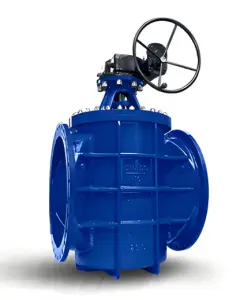
Where Eccentric Plug Valves Are Commonly Used
Eccentric Plug Valves are widely used in water and wastewater engineering because they can handle flow control, isolation, and shutoff in pipelines where the medium may not be clean.
Typical applications include:
- Municipal wastewater pipelines;
- Sewage treatment plants;
- Pump station inlet and outlet pipelines;
- Sludge handling systems;
- Drainage networks;
- Industrial wastewater pipelines;
- Water treatment plants;
- Raw water pipelines;
- Chemical process water systems;
- Pipeline sections requiring reliable shutoff.
In pump stations, the valve may be installed to isolate equipment for maintenance. In wastewater treatment plants, it may be used on pipelines carrying sewage, sludge, or process water. In municipal networks, it helps operators control flow and isolate pipe sections when repair or inspection is needed.
Why It Works Well in Pump Stations
Pump stations often require valves that can handle frequent operation, pressure changes, and imperfect water quality. When pumps start and stop, the valve may need to operate under changing flow conditions. If solids or sediment are present, the valve structure must remain dependable.
An Eccentric Plug Valve can be useful in pump station pipelines because:
- It can provide reliable shutoff for pump isolation;
- It can handle water containing suspended solids;
- Its eccentric motion reduces sealing wear;
- It can reduce the risk of jamming caused by sediment;
- It supports maintenance by allowing pipeline sections to be isolated;
- It can be used in both water and wastewater pump station systems.
For operators, this means easier system control and fewer valve-related problems during maintenance.
Important Product Features Buyers Should Check
When choosing an Eccentric Plug Valve, buyers should not only look at valve size. The working condition of the pipeline should guide the selection.
Important product features include:
- Valve body strength: The body should meet pipeline pressure and installation requirements.
- Reliable sealing structure: The sealing design should provide tight shutoff after repeated operation.
- Suitable seat material: The seat should match the medium and working condition.
- Corrosion-resistant coating: For wastewater and underground pipelines, anti-corrosion protection is important.
- Smooth plug movement: Stable movement helps reduce torque and improve operation.
- Flange standard compatibility: The valve connection should match the project’s pipeline standard.
- Operation method: Manual, gearbox, electric actuator, or other operation options may be selected based on site conditions.
- Maintenance accessibility: The valve should be convenient for inspection and long-term service.
For wastewater applications, the internal flow path and sealing design are especially important because impurities may affect valve performance over time.
Eccentric Plug Valve vs Butterfly Valve in Wastewater Use
Both Eccentric Plug Valves and Butterfly Valves can be used for pipeline control, but they are not always suitable for the same working conditions.
A Butterfly Valve is compact, lightweight, and commonly used in water pipelines where space and cost matter. It is suitable for many clean water and general fluid systems.
An Eccentric Plug Valve is often preferred when the medium contains sediment, sludge, or suspended solids. Its plug and seat design can provide reliable shutoff while reducing wear caused by continuous rubbing. In wastewater systems, this can be an advantage when the valve must work in dirty or unstable flow conditions.
For clean water pipelines, a butterfly valve may be enough. For sewage, sludge, or dirty water applications, an eccentric plug valve may offer better long-term reliability.
Common Selection Mistakes
Some valve problems are caused by incorrect selection rather than poor product quality. Buyers should avoid these common mistakes:
- Choosing a valve based only on pipe diameter;
- Ignoring the amount of solids in the medium;
- Using unsuitable sealing material;
- Overlooking corrosion protection;
- Not confirming flange standard;
- Selecting the wrong operation method;
- Ignoring maintenance space;
- Using a clean-water valve in a dirty wastewater line.
A good valve selection should always consider the actual medium and operating environment.
FAQ
1. What is an Eccentric Plug Valve used for?
An Eccentric Plug Valve is used to control or shut off flow in water, wastewater, sewage, sludge, and industrial pipeline systems. It is especially suitable for dirty water pipelines where suspended solids may be present.
2. Why is an Eccentric Plug Valve suitable for wastewater?
Its eccentric plug movement reduces direct friction between the plug and the seat during operation. This helps reduce wear, prevent jamming, and improve sealing reliability in wastewater pipelines.
3. Can an Eccentric Plug Valve be used in pump stations?
Yes, it is commonly used in pump station pipelines for equipment isolation, flow control, and maintenance support, especially where the medium contains suspended solids or sediment.
4. What should buyers confirm before ordering an Eccentric Plug Valve?
Buyers should confirm pipe size, working pressure, medium type, flange standard, valve material, sealing material, coating, installation position, and operation method.
Conclusion
An Eccentric Plug Valve is a reliable flow control solution for wastewater, sewage, drainage, pump station, and industrial water pipelines. Its eccentric plug design helps reduce sealing wear, improve shutoff performance, and support stable operation in systems where the medium may contain solids or sediment.
For municipal wastewater networks, sewage treatment plants, pump stations, and industrial pipeline projects, choosing the right Eccentric Plug Valve can help reduce maintenance problems, improve pipeline control, and support long-term system reliability.
Post time: Jul-07-2026