




In sewage treatment plants, controlling fluid flow is not just about efficiency—it is about durability, safety, and long-term reliability under extremely challenging conditions. Wastewater systems often carry sludge, suspended solids, and corrosive media that can quickly damage standard valves. The gate valve for sewage treatment plant is specifically designed to provide dependable isolation, withstand aggressive environments, and maintain consistent performance over time.
For B2B engineers, plant operators, and procurement teams, selecting the right gate valve for sewage treatment applications is critical for reducing maintenance costs, preventing leakage, and ensuring uninterrupted plant operation.
What Is a Gate Valve for Sewage Treatment Plant?
A gate valve used in sewage treatment plants is a type of isolation valve designed to fully open or fully close the flow of wastewater, sludge, or treated effluent. Unlike control valves, gate valves are primarily used for on/off service rather than flow regulation.
These valves are engineered with materials and sealing systems that can handle abrasive particles, chemical exposure, and long operational cycles. They are commonly installed in pipelines, sludge handling systems, and treatment process units where reliable shut-off is essential.
● Full-bore design allows unrestricted passage of solids and sludge
● Robust valve body ensures structural strength under pressure
● Corrosion-resistant coatings protect against aggressive wastewater
● Sealing systems minimize leakage even in contaminated fluids
● Designed for long-term operation with minimal maintenance
Because of these characteristics, gate valves play a vital role in maintaining process stability in wastewater treatment plants.
Why Gate Valves Are Essential in Sewage Treatment Systems
Sewage treatment facilities require valves that can isolate sections of the pipeline quickly and reliably. Gate valves are preferred due to their simple structure and effective sealing capability.
● Provides complete shut-off for maintenance or system isolation
● Handles high-solid-content fluids without significant blockage
● Maintains low pressure drop when fully open
● Reduces risk of leakage in critical treatment processes
● Supports safe operation of pumps and treatment equipment
In complex wastewater systems, reliable isolation is necessary to prevent contamination, protect equipment, and ensure process continuity.
Key Design Features for Sewage Applications
Gate valves used in sewage treatment plants are specifically designed to handle harsh operating conditions. Their structural features differ from standard gate valves to ensure long-lasting performance.
● Resilient seated or metal-seated options depending on application
● Ductile iron or stainless steel body for durability
● Epoxy or anti-corrosion coating for extended service life
● Non-rising stem design for underground or confined installations
● Reinforced gate structure to resist abrasion from solids
These design improvements ensure the valve can operate effectively in environments where standard valves would fail.
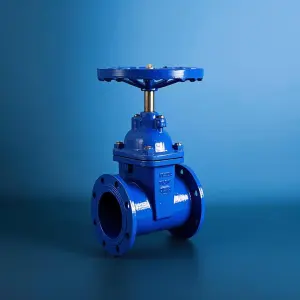
Types of Gate Valves Used in Sewage Treatment Plants
Different processes within a sewage treatment plant require different types of gate valves. Selecting the right type depends on the medium and operating conditions.
● Soft seal gate valve suitable for treated water and low-solid-content fluids
● Metal seated gate valve for high-temperature or abrasive conditions
● Knife gate valve designed for sludge and thick media
● Rising stem gate valve for visible position indication in above-ground systems
● Non-rising stem gate valve for underground installations
Each type is tailored to meet specific operational requirements within the treatment process.
Applications in Sewage Treatment Facilities
Gate valves are used at various stages of wastewater treatment to ensure proper flow control and system isolation.
● Inlet and outlet pipelines for raw and treated water
● Sludge handling and dewatering systems
● Pump stations and lift stations
● Chemical dosing systems
● Filtration and sedimentation units
Their ability to handle both liquid and semi-solid media makes them indispensable in sewage treatment plants.
Advantages for B2B Projects
From a procurement and engineering perspective, gate valves for sewage treatment plants offer several advantages that improve overall system efficiency.
● High durability in corrosive and abrasive environments
● Long service life reduces replacement frequency
● Low maintenance requirements minimize operational costs
● Reliable sealing prevents leakage and contamination
● Adaptability to various pipeline configurations
These benefits make gate valves a cost-effective solution for large-scale wastewater infrastructure projects.
Installation and Maintenance Considerations
Proper installation and maintenance are essential to ensure optimal valve performance in sewage treatment systems.
● Install valves in accessible locations for inspection and servicing
● Ensure proper alignment to avoid stress on the valve body
● Use compatible materials to prevent corrosion
● Periodically inspect sealing surfaces for wear
● Clean internal components to prevent buildup of solids
Routine maintenance helps extend valve lifespan and ensures consistent operation.
Gate Valve vs Knife Gate Valve in Sewage Applications
While both gate valves and knife gate valves are used in sewage treatment plants, they serve different purposes.
● Gate valves are ideal for clean or moderately contaminated fluids
● Knife gate valves are better suited for thick sludge and high-solid media
● Gate valves provide tighter sealing in many applications
● Knife gate valves offer better performance in slurry handling
Understanding the difference helps in selecting the appropriate valve type for each process stage.
Conclusion
The gate valve for sewage treatment plant is a critical component in ensuring efficient, safe, and reliable wastewater management. Its ability to provide full shut-off, handle abrasive media, and resist corrosion makes it an essential choice for modern sewage treatment facilities.
For B2B professionals, investing in high-quality gate valves tailored for sewage applications leads to improved operational stability, reduced maintenance costs, and enhanced system longevity. As wastewater treatment infrastructure continues to expand, the demand for durable and efficient gate valves will remain strong.
FAQ
1. What is the main function of a gate valve in a sewage treatment plant?
It is used to fully open or close the flow of wastewater, allowing system isolation for maintenance or operational control.
2. What type of gate valve is best for sludge applications?
Knife gate valves are typically preferred for handling thick sludge and high-solid-content fluids.
3. Why are corrosion-resistant materials important for sewage valves?
Wastewater often contains chemicals and gases that can cause corrosion, so protective materials extend valve life.
4. How often should gate valves in sewage plants be maintained?
Regular inspection and cleaning are recommended, depending on system conditions, to ensure reliable performance.
Post time: Apr-17-2026