




In water pipeline systems, air is often an invisible problem. It may enter the pipeline during filling, remain inside high points, separate from water during pressure changes, or be drawn into the system when negative pressure occurs. Although air does not look as harmful as solid impurities or corrosion, it can gradually affect flow stability, pump efficiency, pressure balance, and pipeline safety.
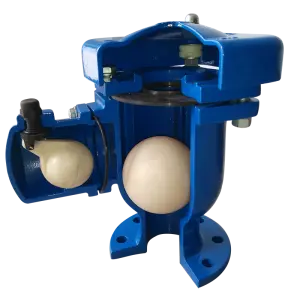
A Combined Type Air Vent Valve is designed to manage these air-related problems in one compact valve structure. It can discharge large volumes of air when the pipeline is filled, release small air bubbles during normal operation, and admit air into the pipeline when vacuum conditions appear. Because of this combined function, it is widely used in water supply, drainage, wastewater treatment, irrigation, pump stations, and municipal pipeline networks.
For pipeline projects where stable flow and pressure protection are important, the Combined Type Air Vent Valve is not just an accessory. It is a practical protection device that helps the whole system operate more smoothly.
Air in Pipelines Is More Serious Than It Looks
Many pipeline problems begin with trapped air. When air gathers at high points, it may form air pockets that reduce the effective flow area inside the pipe. This can increase resistance, reduce flow capacity, and make pumps work harder than necessary.
In some cases, trapped air may also cause sudden pressure changes. When air pockets move with the water flow, they can create vibration, noise, or unstable pressure. If the pipeline is drained quickly and outside air cannot enter in time, negative pressure may appear and create a vacuum risk.
Common problems caused by air include:
- Reduced water flow capacity;
- Higher pump energy consumption;
- Pipeline vibration and noise;
- Pressure fluctuation during operation;
- Higher risk of water hammer;
- Vacuum damage during pipeline drainage;
- Corrosion risk in some pipeline sections;
- Difficulties during pipeline filling and commissioning.
Because these problems may not be obvious at the beginning, many users only notice them after the system becomes unstable. Installing a suitable Combined Type Air Vent Valve helps control air before it causes larger operating issues.
What Makes the Combined Type Different?
The key feature of a Combined Type Air Vent Valve is that it integrates multiple air control functions into one valve. Instead of only releasing small amounts of air, it can handle different stages of pipeline operation.
During pipeline filling, a large amount of air must be discharged quickly so that water can fill the pipe smoothly. The valve opens to release air at high speed and closes when water reaches the valve chamber.
During normal operation, small air bubbles may continuously separate from the water and collect in the upper part of the pipeline. The valve can release this accumulated air automatically to maintain stable flow.
During drainage or sudden pressure drop, the valve allows air to enter the pipeline. This helps balance internal and external pressure and reduces the risk of vacuum damage.
This is why the combined type is often selected for water pipelines that need both air release and vacuum protection.
Suitable Positions for Installation
The performance of a Combined Type Air Vent Valve depends greatly on where it is installed. Since air naturally moves toward higher points, the valve should be installed at locations where air is likely to collect or where vacuum may occur.
Common installation positions include:
- High points of water pipelines;
- Long upward pipeline sections;
- Pump outlet areas;
- Pipeline peaks after slope changes;
- Long-distance transmission pipelines;
- Water treatment plant pipelines;
- Sewage treatment plant pipeline sections;
- Pipeline ends or isolated sections;
- Locations where pipeline filling and draining are frequent.
For long pipelines, more than one air vent valve may be required. Proper spacing and correct installation points can help prevent air pockets from forming in different sections of the system.
Applications in Water Supply and Drainage Projects
The Combined Type Air Vent Valve is especially useful in pipeline systems where water movement is continuous and pressure conditions change frequently.
In municipal water supply networks, it helps release air after pipeline filling and supports stable water delivery. In drainage and wastewater systems, it can reduce air accumulation and improve pipeline flow performance. In pump stations, it helps manage air near pump outlets and protects the pipeline from unstable pressure. In irrigation systems, it supports smoother water distribution across long-distance pipelines.
Typical application areas include:
- Municipal water supply networks;
- Sewage treatment plants;
- Wastewater pipelines;
- Pump stations;
- Irrigation pipelines;
- Industrial circulating water systems;
- Fire protection pipelines;
- Water treatment plant pipelines;
- Long-distance water transmission projects.
In these applications, the valve helps improve system reliability by managing air automatically without frequent manual operation.
Product Features That Matter in Engineering Use
When selecting a Combined Type Air Vent Valve for engineering projects, users should pay attention to more than the valve name. The internal structure, material, sealing design, coating, and connection standard all affect actual performance.
Important product features include:
- Reliable float movement: The float should move smoothly to ensure timely opening and closing.
- Stable sealing performance: The sealing structure should prevent water leakage after air is discharged.
- Large air discharge capacity: The valve should release air quickly during pipeline filling.
- Vacuum protection: The valve should admit air when negative pressure occurs.
- Corrosion-resistant body: The valve body should be suitable for water supply, drainage, or wastewater environments.
- Suitable flange connection: The flange standard should match the pipeline project requirement.
- Easy maintenance design: Internal parts should be accessible for inspection and cleaning.
For water supply and drainage projects, stable valve performance can reduce future maintenance pressure and improve pipeline safety.
How to Choose a Combined Type Air Vent Valve
A suitable Combined Type Air Vent Valve should match the actual pipeline condition. If the valve is too small, air may not be discharged fast enough during filling. If the pressure rating or material is not suitable, the valve may fail to work reliably in long-term operation.
Key selection points include:
- Pipeline diameter and system layout;
- Working pressure of the pipeline;
- Medium type, such as clean water, wastewater, or industrial water;
- Installation location and elevation change;
- Required air discharge and air intake capacity;
- Valve body material and coating;
- Sealing material compatibility;
- Flange standard and connection size;
- Maintenance conditions on site.
For wastewater or poor water quality systems, the valve should be easier to inspect and clean because sediment or impurities may affect float movement and sealing performance.
Conclusion
A Combined Type Air Vent Valve helps solve one of the most common problems in water pipeline systems: trapped air. By combining large air discharge, small air release, and air intake functions, it supports smoother filling, more stable operation, and better vacuum protection.
For municipal water supply, drainage, wastewater treatment, pump stations, irrigation, and industrial water pipelines, choosing the right Combined Type Air Vent Valve can improve system reliability, reduce pressure problems, and support safer long-term pipeline operation.
FAQ
1. What does a Combined Type Air Vent Valve do?
A Combined Type Air Vent Valve releases trapped air from pipelines, discharges large air volumes during pipeline filling, and admits air when negative pressure occurs. It helps improve pipeline flow stability and reduce pressure-related risks.
2. Why does a water pipeline need an air vent valve?
Water pipelines need air vent valves because trapped air can reduce flow capacity, increase pressure loss, cause noise or vibration, and create vacuum problems during drainage. Air vent valves help remove air automatically.
3. Where is a Combined Type Air Vent Valve usually installed?
It is usually installed at pipeline high points, pump outlets, long rising sections, pipeline peaks, long-distance transmission lines, and locations where air accumulation or vacuum risk is likely.
4. Can this valve be used in wastewater systems?
Yes, it can be used in wastewater systems if the valve material, sealing structure, and maintenance design are suitable. For wastewater applications, regular cleaning is important because impurities may affect valve performance.
Post time: Jun-30-2026