




In industrial and municipal pipeline systems, preventing reverse flow is essential for maintaining stable pressure, protecting pumps, and ensuring long-term system reliability. Traditional metal-seated valves often struggle to provide completely leak-free sealing in demanding conditions, especially where cleanliness, efficiency, and low maintenance are required. The Soft Seal Check Valve has become a widely adopted solution because of its superior sealing performance, reduced leakage risk, and adaptability across multiple industries.
For B2B engineers, EPC contractors, and procurement specialists, understanding how soft seal check valves function and where they deliver the most value is critical for designing efficient and reliable fluid control systems.
What Is a Soft Seal Check Valve?
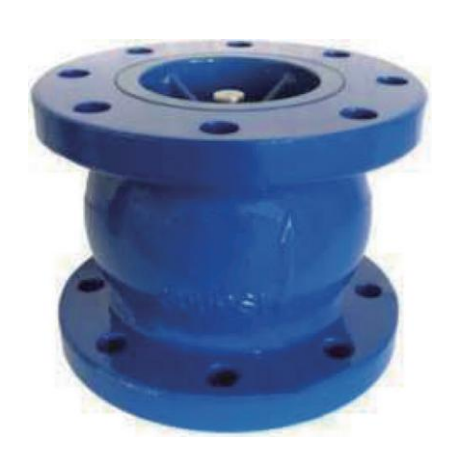
A soft seal check valve is a non-return valve designed with an elastic sealing element that ensures tight closure when reverse flow occurs. Unlike traditional metal-to-metal sealing structures, this valve uses soft materials such as rubber or elastomers to achieve a more secure and leak-resistant seal.
The valve operates automatically, allowing fluid to flow in one direction while blocking reverse flow without requiring manual control or external power.
Key structural characteristics include:
● Resilient sealing ring made of EPDM, NBR, or similar elastomers
● Valve disc designed for smooth opening and closing movement
● Internal hinge or guided mechanism for stable operation
● Corrosion-resistant valve body (cast iron, ductile iron, or stainless steel)
● Flanged or threaded connection options for pipeline integration
This combination of materials and design ensures reliable performance in systems requiring tight shut-off capability.
Why Soft Sealing Technology Matters in Check Valves
Sealing performance is one of the most important factors in valve selection, especially in systems where leakage can cause contamination, energy loss, or equipment damage. Soft sealing technology provides several key improvements over traditional metal sealing designs.
Zero or Near-Zero Leakage Performance
The elastic deformation of the sealing material allows it to conform tightly to the valve seat, minimizing leakage even under low-pressure conditions.
Improved System Efficiency
By preventing backflow more effectively, soft seal check valves help maintain consistent pressure and reduce pump workload.
Reduced Wear and Noise
Soft sealing materials absorb impact during closing, reducing mechanical stress and lowering operational noise.
Better Performance in Low-Pressure Systems
Metal-seated valves may struggle to seal effectively at low pressure, while soft seal designs maintain reliable closure.
Working Principle of Soft Seal Check Valves
The operation of a soft seal check valve is fully automatic and driven by fluid pressure changes within the pipeline.
● When forward flow begins, pressure pushes the valve disc open
● The valve remains open as long as forward pressure is maintained
● When flow stops or reverses, the disc returns to the seat
● The soft sealing element compresses to create a tight shut-off
● Reverse flow is completely blocked, preventing backflow
This simple but highly effective mechanism ensures stable and reliable operation across various working conditions.
Main Types of Soft Seal Check Valves
Different industrial applications require different structural configurations. Soft seal check valves are available in several designs depending on system requirements.
● Swing type soft seal check valve for standard water pipelines
● Lift type soft seal check valve for vertical pipeline systems
● Silent check valve designed to reduce water hammer effects
● Spring-assisted soft seal check valve for faster closure response
● Dual plate wafer type check valve for compact installations
Each type is optimized for specific pressure conditions, flow characteristics, and installation environments.
Key Advantages for Industrial Applications
Soft seal check valves are widely used in modern pipeline systems due to their strong performance advantages.
● Excellent sealing performance with minimal leakage risk
● Reduced water hammer effect due to cushioned closing action
● Lightweight structure suitable for large-scale pipeline systems
● Corrosion-resistant materials improve service life
● Simple internal structure reduces maintenance requirements
● Suitable for both horizontal and vertical installations
These advantages make them especially suitable for systems requiring high reliability and continuous operation.
Applications Across Multiple Industries
Soft seal check valves are used in a wide range of B2B industrial environments where backflow prevention and sealing reliability are critical.
Water Supply Systems
They are widely used in municipal water distribution networks to ensure stable flow direction and protect pumping stations.
Wastewater Treatment Facilities
Soft seal designs handle solids-containing water while maintaining reliable sealing performance.
HVAC Systems
Heating and cooling systems benefit from low noise operation and stable pressure control.
Industrial Processing Plants
Factories using cooling water, process fluids, or chemical solutions rely on these valves for system protection.
Fire Protection Systems
Fast response and reliable sealing make them suitable for fire pump discharge lines.
Material Selection and Engineering Considerations
Material choice plays a significant role in valve durability and compatibility with different fluids.
● Ductile iron bodies provide strength and pressure resistance
● Stainless steel options offer superior corrosion resistance
● EPDM sealing is commonly used for water-based systems
● NBR sealing is suitable for oil and industrial fluids
● PTFE-enhanced designs are used in chemical applications
Engineers must also consider pressure rating, temperature range, and flow direction when selecting a valve model.
Installation Guidelines for Optimal Performance
Correct installation ensures long-term stability and prevents operational issues.
● Install in the correct flow direction indicated on the valve body
● Avoid placing the valve near turbulence-causing components
● Ensure sufficient space for inspection and maintenance
● Prevent installation stress on pipeline flanges
● Use proper gasket materials for sealing integrity
Proper installation significantly improves valve lifespan and performance reliability.
Soft Seal Check Valve vs Metal Seat Check Valve
Understanding the difference between these two designs helps in selecting the right solution for specific applications.
Sealing Performance
Soft seal valves provide superior leak prevention compared to metal seat designs.
Noise Control
Soft seal valves operate more quietly due to cushioned closing action.
Maintenance Requirements
Soft sealing materials may require periodic replacement, while metal seats offer longer mechanical durability in abrasive conditions.
Application Suitability
Soft seal check valves are preferred in water systems, while metal seat valves are often used in high-temperature or abrasive media environments.
Future Market Trends
As industries move toward higher efficiency and lower energy consumption systems, demand for advanced sealing technologies continues to grow. Soft seal check valves are increasingly used in smart water systems, automated industrial networks, and energy-efficient pumping stations.
Their ability to reduce leakage, improve hydraulic efficiency, and support automation makes them an important component in modern pipeline design.
Conclusion
The Soft Seal Check Valve is a highly effective solution for preventing backflow while ensuring superior sealing performance in modern pipeline systems. Its elastic sealing structure, automatic operation, and broad industrial compatibility make it a preferred choice across water supply, wastewater treatment, HVAC, and industrial processing applications.
For B2B engineers and procurement teams, selecting high-quality soft seal check valves can significantly improve system efficiency, reduce maintenance costs, and enhance long-term operational stability. As pipeline systems become more complex and performance-driven, the importance of reliable sealing technology will continue to grow.
FAQ
1. What is the main function of a soft seal check valve?
It prevents reverse flow in pipelines while providing tight sealing through an elastic sealing element.
2. Where are soft seal check valves commonly used?
They are widely used in water supply systems, wastewater treatment plants, HVAC systems, and industrial pipelines.
3. What materials are used in soft seal check valves?
Common materials include ductile iron, stainless steel, EPDM, NBR, and PTFE.
4. What is the main advantage of soft sealing technology?
It provides near-zero leakage, quieter operation, and improved sealing performance compared to metal seat designs.
Post time: May-19-2026