




Double Orifice Air Valve plays a vital role in maintaining the safety, efficiency, and long-term reliability of pressurized pipeline systems. In water supply networks, wastewater treatment facilities, irrigation systems, and industrial pipelines, the presence of entrapped air can lead to flow disruption, pressure surges, increased energy consumption, and even structural damage. As pipeline systems become longer, more complex, and higher in operating pressure, effective air management is no longer optional but essential.
From a B2B engineering and procurement perspective, selecting the correct air valve directly affects system performance, maintenance frequency, and lifecycle cost. Double orifice air valves are specifically designed to manage both large volumes of air during pipeline filling and draining, as well as small air pockets during normal operation. This dual-function capability makes them a preferred solution in modern pipeline engineering.
What Is a Double Orifice Air Valve?
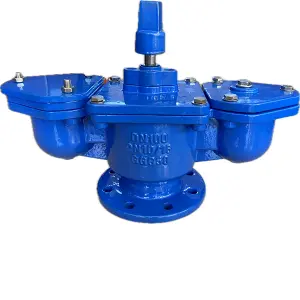
A double orifice air valve is a specialized valve assembly designed with two separate air release mechanisms housed within a single body. Each orifice serves a distinct operational function, enabling the valve to respond effectively to different pipeline conditions.
The basic functional characteristics include:
● A large orifice that releases or admits high volumes of air during pipeline filling or emptying
● A small orifice that continuously releases accumulated air during pressurized operation
● Automatic operation without external power or manual intervention
● Protection against air-related hydraulic disturbances
By combining both large and small orifice functions into one unit, the double orifice air valve ensures stable pipeline operation across all phases of use.
Working Principle and Functional Design
The working principle of a double orifice air valve is based on float-controlled mechanisms that respond to air and water movement within the pipeline. During initial filling, large quantities of air are expelled through the large orifice to prevent air entrapment. As the pipeline becomes fully pressurized, the float rises and seals the large orifice.
Key operational behaviors include:
● Rapid discharge of air during pipeline commissioning
● Continuous release of micro air bubbles during normal flow
● Automatic sealing under full pressure to prevent water leakage
● Controlled air admission during pipeline draining to avoid vacuum formation
This functional design significantly reduces the risk of water hammer, pressure fluctuations, and pipe deformation.
Importance of Air Management in Pipeline Systems
Air accumulation is one of the most underestimated causes of pipeline inefficiency and failure. Entrapped air can restrict flow area, increase head loss, and create unstable hydraulic conditions.
Effective air control using double orifice air valves provides multiple system-level benefits:
● Improved hydraulic efficiency and stable flow conditions
● Reduced energy consumption due to lower friction losses
● Prevention of pressure surges and vacuum collapse
● Extended service life of pipes, fittings, and pumps
For large-scale municipal and industrial projects, proper air valve placement is considered a fundamental part of hydraulic design rather than an auxiliary component.
Common Applications Across Industries
Double orifice air valves are widely applied across sectors that rely on long-distance or pressurized fluid transport systems. Their versatility allows them to function effectively in both clean water and wastewater environments.
Typical applications include:
● Municipal water transmission and distribution pipelines
● Wastewater and sewage force mains
● Irrigation and agricultural water networks
● Industrial process pipelines
● Pump stations and reservoir connections
In each of these scenarios, the valve contributes to operational stability and reduces the likelihood of unplanned downtime.
Material Options and Structural Configuration
Material selection for double orifice air valves depends on fluid type, pressure rating, and environmental conditions. The valve body and internal components must withstand long-term exposure to pressure, moisture, and, in some cases, corrosive media.
Common material configurations include:
● Ductile iron bodies for strength and durability
● Epoxy-coated internal and external surfaces for corrosion protection
● Stainless steel floats and fasteners for reliability
● Elastomer seals designed for long service life
Proper material selection ensures consistent valve performance and minimizes maintenance requirements over the operational lifespan.
Installation Considerations and Best Practices
Correct installation is essential for achieving the intended performance of a double orifice air valve. Improper placement or orientation can significantly reduce its effectiveness.
Key installation considerations include:
● Positioning at high points along the pipeline profile
● Installation near pump discharge points and long ascending sections
● Vertical mounting to ensure accurate float movement
● Provision of isolation valves for maintenance access
Following these best practices allows the valve to function as designed and ensures reliable air release throughout system operation.
Standards, Pressure Ratings, and System Compatibility
Double orifice air valves are typically manufactured to comply with international standards related to waterworks and pipeline components. Compliance ensures compatibility with existing infrastructure and regulatory approval.
Relevant considerations include:
● Pressure ratings matched to pipeline design pressure
● Compliance with EN, AWWA, or ISO standards
● Dimensional compatibility with standard flange connections
● Suitability for potable or non-potable water systems
Adhering to recognized standards reduces engineering risk and simplifies project approval processes.
Lifecycle Performance and Maintenance Benefits
From a lifecycle cost perspective, double orifice air valves contribute to long-term operational efficiency. Their automatic operation and robust construction reduce the need for frequent intervention.
Lifecycle advantages include:
● Minimal maintenance due to simple mechanical design
● Reduced risk of pipeline damage caused by air-related issues
● Lower operational costs over extended service periods
● Improved system reliability and safety
For B2B operators managing large networks, these benefits translate into measurable cost savings and improved asset performance.
Conclusion:
Double Orifice Air Valve is an essential component in modern pipeline systems, providing reliable air management throughout all stages of operation. By combining large-volume air release with continuous micro air discharge, it protects pipelines from hydraulic instability and structural stress. Its proven performance, adaptability across industries, and compliance with engineering standards make it a preferred choice for engineers and infrastructure developers focused on safety, efficiency, and long-term reliability.
FAQ:
What is the main function of a double orifice air valve?
Its primary function is to release large volumes of air during filling and draining while continuously venting small air pockets during normal pipeline operation.
How does a double orifice air valve differ from a single orifice air valve?
A double orifice air valve combines both large and small air release functions, whereas a single orifice valve typically handles only one air release condition.
Where should double orifice air valves be installed in a pipeline?
They are usually installed at high points, pump outlets, and locations where air accumulation is likely.
Are double orifice air valves suitable for wastewater systems?
Yes. When manufactured with appropriate materials and coatings, they are widely used in wastewater and sewage applications.
Post time: Jan-29-2026