




A Pipe Flange is an essential pipe fitting used to connect pipes, valves, pumps, pressure vessels, and other pipeline equipment. In industrial piping systems, the flange provides a strong and detachable connection, allowing pipelines to be assembled, inspected, cleaned, repaired, or modified more conveniently. Compared with permanent welding connections, a flange connection offers greater flexibility for maintenance and replacement, especially in systems that require regular inspection or equipment disassembly.
Pipe flanges are widely used in oil and gas, chemical processing, water treatment, power plants, shipbuilding, construction, HVAC, food processing, and many other industries. Whether the system transports water, steam, oil, gas, or chemical fluids, choosing the right pipe flange helps ensure sealing performance, pressure resistance, installation safety, and long-term system reliability.
What Is a Pipe Flange?
A Pipe Flange is a circular or specially shaped metal component with bolt holes around the edge. It is usually installed at the end of a pipe or connected to equipment such as valves, pumps, and tanks. Two flanges are joined together by bolts, nuts, and gaskets to form a sealed connection.
The basic flange connection normally includes:
- Two matching flanges;
- A gasket placed between the sealing faces;
- Bolts and nuts for tightening;
- Pipe or equipment connected to each flange.
When the bolts are tightened, the gasket is compressed between the two flange faces, creating a sealed joint. This structure allows the pipeline to remain secure during operation while still being removable when maintenance is required.
How Does a Pipe Flange Work?
The working principle of a pipe flange is based on mechanical fastening and gasket sealing. The flange itself provides the connection strength, while the gasket provides the sealing function. The bolts apply clamping force to press the two flange faces together, helping prevent leakage under pressure.
In actual pipeline operation, a flange must withstand internal pressure, temperature changes, vibration, fluid impact, and external load from the piping system. Because of this, flange material, pressure rating, sealing surface type, gasket selection, and installation quality all affect the final performance.
A properly selected and installed pipe flange can help maintain stable flow, reduce leakage risk, and support safe operation in demanding industrial environments.
Common Types of Pipe Flanges
Different pipeline systems require different flange structures. The following are several commonly used pipe flange types.
Weld Neck Flange
A weld neck flange has a long tapered hub and is welded to the pipe by butt welding. It is suitable for high-pressure, high-temperature, and critical pipeline systems because it provides excellent strength and stress distribution.
This type is commonly used in oil and gas pipelines, chemical plants, power plants, and other demanding applications where reliability is important.
Slip-On Flange
A slip-on flange slides over the pipe and is usually welded on both the inside and outside. It is easier to install than a weld neck flange and is often used in low to medium pressure systems.
Slip-on flanges are popular in water systems, general industrial pipelines, and applications where installation efficiency matters.
Blind Flange
A blind flange is used to close the end of a pipeline, valve opening, or pressure vessel nozzle. It does not have a central bore, so it can completely block fluid flow.
Blind flanges are useful for pipeline testing, future expansion, system isolation, and maintenance access points.
Threaded Flange
A threaded flange has internal threads and can be connected to a pipe without welding. It is often used in low-pressure systems or areas where welding is not convenient.
This flange type can be suitable for small-diameter pipelines, utility systems, and applications where easy installation is needed.
Socket Weld Flange
A socket weld flange has a recessed area where the pipe is inserted before welding. It is often used for small-diameter, high-pressure pipelines.
This structure provides a strong connection and is commonly found in hydraulic systems, steam lines, and process piping.
Lap Joint Flange
A lap joint flange is normally used with a stub end. It can rotate around the pipe, making bolt hole alignment easier during installation.
It is often used in systems requiring frequent disassembly or where expensive alloy piping is used, because the flange itself may be made from a more economical material.
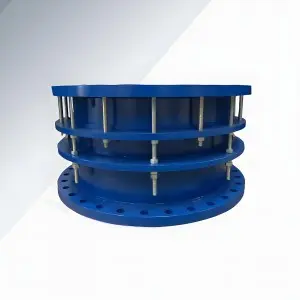
Main Materials Used for Pipe Flanges
Material selection is one of the most important factors when choosing a pipe flange. The material must match the working medium, pressure, temperature, and environmental conditions.
Common pipe flange materials include:
- Carbon steel: Suitable for general industrial pipelines, water systems, oil pipelines, and many medium-pressure applications.
- Stainless steel: Offers better corrosion resistance and is commonly used in chemical, food, pharmaceutical, marine, and water treatment systems.
- Alloy steel: Designed for high-temperature, high-pressure, or special working conditions.
- Ductile iron or cast iron: Often used in water supply, drainage, and municipal pipeline systems.
- Special alloys: Used for highly corrosive, high-temperature, or demanding process environments.
If the flange material is not compatible with the fluid, corrosion, leakage, or premature failure may occur. For chemical or marine applications, corrosion resistance is especially important.
Key Advantages of Pipe Flanges
Easy Installation and Maintenance
One of the biggest advantages of a pipe flange is that it creates a detachable connection. When equipment needs to be inspected, cleaned, or replaced, operators can remove the bolts and separate the flange joint without cutting the pipeline.
This feature helps reduce maintenance time and makes the piping system easier to manage.
Reliable Sealing Performance
When matched with the correct gasket and installed properly, a pipe flange can provide reliable sealing performance under different working conditions. The sealing face design, gasket material, and bolt tightening method all influence leakage prevention.
For systems handling oil, gas, steam, or chemical media, sealing reliability is critical for safety and environmental protection.
Suitable for Different Pressure Levels
Pipe flanges are available in different pressure ratings and standards, making them suitable for low-pressure, medium-pressure, and high-pressure piping systems.
Common standards may include ANSI, ASME, DIN, JIS, EN, and other industrial requirements. Selecting the correct standard and pressure class helps ensure that the flange can safely handle the operating conditions.
Flexible Pipeline Design
Flange connections make pipeline design more flexible. They can be used to connect pipes with valves, pumps, strainers, meters, tanks, and other equipment. They also allow future modification or expansion of the pipeline system.
This flexibility is valuable in industrial plants where production lines may need adjustment or upgrading over time.
Where Are Pipe Flanges Commonly Used?
Pipe flanges are used in almost every industry that involves fluid transportation. Common applications include:
- Oil and gas pipelines;
- Chemical processing systems;
- Water supply and drainage projects;
- Power plant steam and cooling systems;
- Marine and shipbuilding pipelines;
- HVAC and fire protection systems;
- Food and beverage processing lines;
- Mining and slurry transportation;
- Wastewater treatment plants;
- Pump stations and valve assemblies.
In these applications, the pipe flange is not just a connection part. It also supports system safety, maintenance convenience, and long-term operating stability.
Installation Tips for Better Flange Performance
Even a high-quality pipe flange may fail if it is installed incorrectly. Proper installation is necessary for safe and reliable operation.
Useful installation tips include:
- Check whether the flange surface is clean and free from damage.
- Make sure the gasket matches the flange face and working medium.
- Align the two flanges correctly before tightening the bolts.
- Tighten bolts evenly in a cross pattern to distribute pressure.
- Avoid over-tightening, which may damage the gasket or flange face.
- Inspect the flange joint after pressure testing.
- Recheck the connection during regular maintenance if the system has vibration or temperature changes.
Good installation practices help improve sealing performance and extend the service life of the flange connection.
Why Is Pipe Flange Quality Important?
The quality of a pipe flange directly affects pipeline safety. A low-quality flange may have poor dimensional accuracy, uneven sealing surfaces, weak material strength, or unstable pressure resistance. These problems can increase the risk of leakage, deformation, or failure during operation.
For industrial systems, flange quality should be evaluated by material grade, manufacturing accuracy, sealing surface finish, bolt hole precision, pressure rating, and applicable standards. A reliable pipe flange helps reduce maintenance risk and supports stable pipeline operation over a long period.
FAQ
1. What is a Pipe Flange used for?
A Pipe Flange is used to connect pipes, valves, pumps, tanks, and other pipeline equipment. It provides a strong and detachable connection, making installation, inspection, cleaning, and maintenance more convenient.
2. What are the most common types of Pipe Flanges?
Common types include weld neck flange, slip-on flange, blind flange, threaded flange, socket weld flange, and lap joint flange. Each type is suitable for different pressure levels, pipe sizes, installation methods, and maintenance needs.
3. How do I choose the right Pipe Flange material?
The material should be selected according to the fluid type, pressure, temperature, and working environment. Carbon steel is common for general use, stainless steel is better for corrosion resistance, and alloy steel is used for more demanding high-pressure or high-temperature conditions.
4. Why does a flange connection need a gasket?
A gasket fills the small gap between two flange faces and creates a tight seal when compressed by bolts. Without a suitable gasket, the flange joint may leak, especially under pressure, temperature change, or vibration.
Conclusion
A Pipe Flange is a key component in modern pipeline systems. It provides a strong, detachable, and reliable connection between pipes and equipment, making installation and maintenance easier while helping ensure safe fluid transportation.
By choosing the correct flange type, material, pressure rating, sealing face, and standard, pipeline systems can achieve better sealing performance, stronger structural reliability, and longer service life. For oil and gas, chemical processing, water treatment, power plants, shipbuilding, and general industrial applications, the pipe flange remains one of the most important fittings for safe and efficient pipeline operation.
Post time: Jun-25-2026