




In modern fluid transportation systems, maintaining consistent pressure and uninterrupted flow is critical for operational performance. However, one often overlooked factor—trapped air—can significantly reduce efficiency and even damage pipelines. An air valve is specifically designed to solve this problem by automatically releasing unwanted air and preventing vacuum conditions.
For B2B engineers, contractors, and system designers, understanding the function and value of air valves is essential for ensuring safe, efficient, and long-lasting pipeline systems.
What Is an Air Valve?
An air valve is a mechanical device installed in pipeline systems to control the release and intake of air. During normal operation, air can accumulate at high points in pipelines or enter the system during filling, draining, or pump operation. If not properly managed, this trapped air can lead to reduced flow capacity, pressure surges, and even system failure.
Air valves operate automatically, typically using a float mechanism that responds to the presence of air and liquid inside the valve chamber. When air accumulates, the float drops, opening the valve to release air. When the air is expelled and liquid fills the chamber, the float rises and closes the valve, ensuring a tight seal.
Key components include:
● Valve Body – Usually made from ductile iron, cast iron, or stainless steel for durability
● Float System – Detects air accumulation and controls valve operation
● Orifice Mechanism – Allows controlled air release or intake
● Sealing Elements – Prevent leakage during operation
● Protective Coating – Enhances resistance to corrosion and harsh environments
This automatic functionality allows pipelines to operate efficiently without manual intervention.
Why Air Control Is Critical in Pipeline Systems
Air may seem harmless, but its presence in pipelines can create serious operational challenges. Proper air management is crucial for maintaining system performance and safety.
● Flow Reduction – Air pockets restrict the effective cross-section of the pipeline, reducing flow capacity
● Increased Energy Consumption – Pumps must work harder to move fluid through air-blocked sections
● Water Hammer Risk – Sudden pressure changes caused by air movement can damage pipes and fittings
● Corrosion Acceleration – Oxygen in trapped air can increase internal corrosion rates
● Vacuum Damage – Negative pressure can lead to pipe collapse or deformation
Installing properly selected air valves helps eliminate these risks and ensures stable operation.
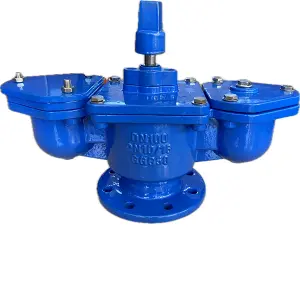
Types of Air Valves
Different applications require different air valve designs. Selecting the correct type is essential for optimal performance.
● Air Release Valve – Continuously releases small pockets of air during normal operation
● Air/Vacuum Valve – Releases large volumes of air during pipeline filling and allows air intake during draining
● Combination Air Valve – Combines both air release and air/vacuum functions for comprehensive protection
● Sewage Air Valve – Designed for wastewater systems with anti-clogging features
Each type is tailored to specific operating conditions, ensuring efficient air management across various systems.
Applications Across Industries
Air valves are widely used in industries where fluid transport efficiency and system protection are critical.
● Municipal Water Supply Systems – Maintains stable flow and prevents pressure imbalance
● Wastewater Treatment Plants – Eliminates gas buildup and ensures smooth operation
● Agricultural Irrigation Systems – Improves water distribution efficiency
● Industrial Pipelines – Supports process fluid transport in manufacturing and processing plants
● Pump Stations – Prevents air locking and improves pump efficiency
Their role in maintaining hydraulic balance makes them indispensable in modern infrastructure.
Advantages of Using Air Valves
For B2B projects, air valves offer significant operational and economic benefits.
● Improved System Efficiency – Eliminates air pockets to maintain optimal flow
● Energy Savings – Reduces pump workload and operating costs
● Enhanced Safety – Minimizes risks of water hammer and structural damage
● Automatic Operation – Requires no manual intervention
● Extended Equipment Life – Reduces wear and tear on pipelines and pumps
These advantages contribute to lower total cost of ownership and improved system reliability.
Installation and Maintenance Best Practices
To maximize performance and service life, proper installation and maintenance are essential.
● Install valves at pipeline high points where air accumulates
● Ensure vertical positioning for accurate float operation
● Use isolation valves for easier maintenance
● Regularly inspect for debris or sediment buildup
● Check sealing components to prevent leakage
Routine maintenance ensures consistent performance and prevents unexpected failures.
How to Choose the Right Air Valve
Selecting the right air valve depends on system design and operational conditions.
● Pipeline Size and Pressure – Ensure valve rating matches system requirements
● Type of Fluid – Consider water, wastewater, or chemical compatibility
● Installation Location – High points, pump outlets, or long pipelines
● Flow Characteristics – Determine whether continuous or large-volume air release is required
● Material Selection – Choose corrosion-resistant materials for harsh environments
A properly selected air valve ensures long-term efficiency and system protection.
Conclusion
An air valve is a critical component in maintaining the performance, safety, and longevity of pipeline systems. By automatically releasing trapped air and preventing vacuum conditions, it enhances flow efficiency, reduces energy consumption, and protects infrastructure from damage. For B2B professionals involved in water management, industrial processing, or infrastructure development, investing in high-quality air valves is a strategic decision that delivers long-term operational and economic benefits.
FAQ
1. What is the main function of an air valve?
An air valve releases trapped air and allows air intake to prevent vacuum conditions, ensuring smooth pipeline operation.
2. Where should air valves be installed?
They are typically installed at high points in pipelines, near pumps, and in areas prone to air accumulation.
3. What is the difference between an air release valve and an air/vacuum valve?
An air release valve removes small amounts of air during operation, while an air/vacuum valve handles large volumes of air during filling or draining.
4. How often should air valves be maintained?
Maintenance depends on operating conditions, but regular inspection and cleaning are recommended to ensure reliable performance.
Post time: Mar-31-2026