




As global infrastructure projects continue to expand, pipeline systems are facing increasing demands for efficiency, durability, and long-term operational reliability. In municipal water distribution, industrial processing, HVAC systems, and fire protection networks, valve performance directly affects system stability and maintenance costs. Among the many valve standards used worldwide, the BS5155 Butterfly Valve has become one of the most trusted solutions for reliable flow isolation and regulation.
Designed according to British Standard BS5155 specifications, this type of butterfly valve combines compact construction, efficient sealing, and cost-effective operation. For B2B contractors, distributors, and engineering companies, understanding the structural advantages and application value of BS5155 butterfly valves can help improve project reliability while reducing lifecycle expenses.
What Makes BS5155 Butterfly Valves Different
Unlike general-purpose butterfly valves, BS5155 butterfly valves are manufactured to comply with strict dimensional, pressure, and performance standards defined by the British Standard system. This ensures greater consistency in installation compatibility, sealing reliability, and operational performance.
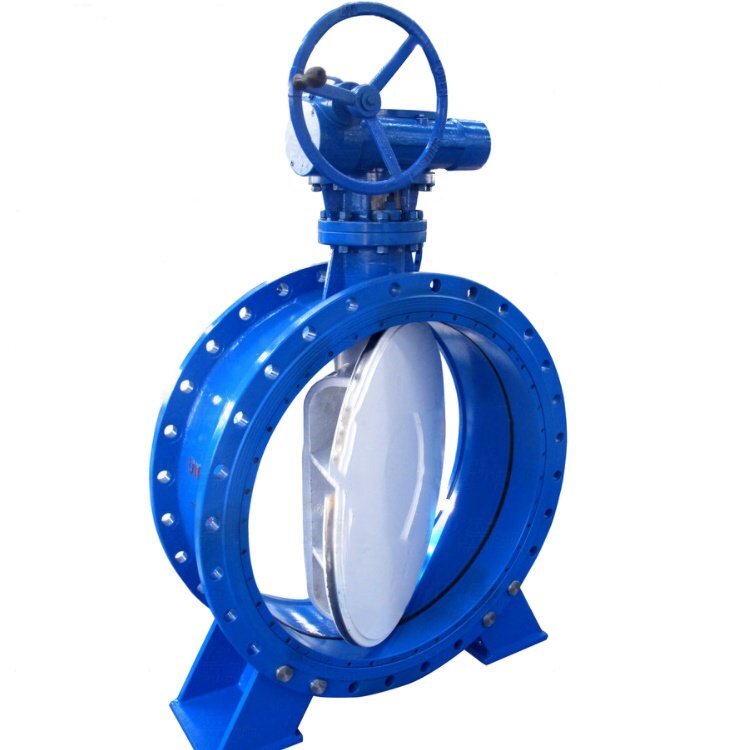
The valve controls fluid flow through a rotating disc positioned in the center of the pipeline. By turning the disc 90 degrees, the valve can quickly move from fully open to fully closed.
Several design features distinguish BS5155 butterfly valves from conventional valve products.
● Standardized face-to-face dimensions improve interchangeability
● Compact body structure reduces installation space requirements
● Bidirectional sealing capability enhances operational flexibility
● Low operating torque supports manual and automated control
● Lightweight construction simplifies transportation and installation
These characteristics make BS5155 butterfly valves especially attractive for large pipeline systems where space efficiency and easy maintenance are priorities.
Structural Components and Engineering Design
The engineering design of BS5155 butterfly valves focuses on balancing strength, sealing performance, and ease of operation. Each component plays an important role in maintaining stable performance under varying pressure conditions.
Valve Body
The valve body is commonly manufactured from ductile iron, cast iron, or stainless steel depending on the application environment. Ductile iron is widely used due to its high mechanical strength and excellent cost efficiency.
Disc Design
The disc acts as the primary flow-control component. High-performance discs are often precision-machined and coated to improve corrosion resistance and reduce friction during operation.
Seat Material
Soft sealing seats are usually made from EPDM, NBR, or PTFE materials. These materials provide reliable shut-off performance while resisting wear from water and industrial media.
Stem and Shaft System
The stem transfers operating force from the actuator or hand lever to the disc. Stainless steel stems are commonly selected to improve corrosion resistance and long-term durability.
Together, these components create a valve system capable of handling demanding industrial conditions while maintaining operational reliability.
Advantages of BS5155 Butterfly Valves in Industrial Systems
Many industrial users choose BS5155 butterfly valves because they offer a practical balance between performance and operational economy.
● Fast quarter-turn operation improves system responsiveness
● Compact structure reduces pipeline layout complexity
● Lower weight decreases installation and transportation costs
● Minimal pressure drop improves flow efficiency
● Easy automation compatibility supports intelligent control systems
● Durable sealing system reduces maintenance frequency
These advantages are especially valuable in infrastructure projects involving large pipeline networks or continuous operation environments.
Common Industries and Application Scenarios
BS5155 butterfly valves are widely applied in industries that require dependable shut-off and efficient fluid management.
Municipal Water Supply Systems
In urban water networks, butterfly valves are frequently installed in transmission pipelines, pumping stations, and distribution systems where quick isolation and low maintenance are important.
Wastewater Treatment Plants
The valves are suitable for handling treated water, process water, and certain wastewater applications due to their corrosion-resistant design.
Fire Protection Systems
BS5155 butterfly valves are often used in fire protection pipelines because of their rapid opening capability and compact dimensions.
HVAC and Cooling Systems
Heating and cooling networks benefit from the valve’s low pressure loss and simple operational structure.
Industrial Manufacturing Facilities
Factories using cooling water, compressed air, or non-corrosive industrial fluids frequently rely on butterfly valves for efficient process control.
Their versatility allows engineering companies to standardize valve usage across multiple system categories.
Installation Factors That Affect Valve Performance
Even high-quality butterfly valves require proper installation practices to achieve long-term reliability.
● Ensure flange alignment to prevent seat deformation
● Avoid excessive pipeline stress on the valve body
● Confirm compatibility between seat material and operating media
● Leave sufficient clearance for handle or actuator movement
● Verify pressure ratings before system commissioning
Attention to these details helps prevent sealing problems and extends operational lifespan.
Maintenance and Lifecycle Benefits
One reason BS5155 butterfly valves remain popular in B2B infrastructure projects is their relatively low maintenance demand compared with larger valve types.
Routine inspection generally focuses on:
● Checking seat wear and sealing condition
● Verifying smooth disc movement
● Inspecting stem sealing components
● Monitoring corrosion on exposed surfaces
● Confirming actuator functionality
Because of their simplified internal structure, maintenance procedures are usually faster and more cost-effective than those required for gate or globe valves.
BS5155 Butterfly Valve vs Gate Valve
Although both valve types are commonly used for isolation purposes, they differ significantly in operation and application suitability.
Space Efficiency
Butterfly valves require far less installation space than gate valves, especially in large-diameter pipelines.
Operating Speed
Quarter-turn operation allows butterfly valves to open and close much faster.
Weight and Installation
Butterfly valves are considerably lighter, reducing handling difficulty during installation.
Sealing Characteristics
Gate valves may provide advantages in certain high-pressure isolation systems, while butterfly valves excel in general water distribution and industrial applications.
The selection between these valve types depends on system pressure, operational frequency, and installation constraints.
Future Demand for BS5155 Butterfly Valves
As infrastructure modernization accelerates worldwide, demand for compact, energy-efficient, and automation-compatible valves continues to rise. BS5155 butterfly valves align well with these market trends because they combine reliable performance with economical operation.
In addition, increasing emphasis on smart water systems and automated industrial control is driving greater adoption of valves compatible with electric and pneumatic actuators.
For manufacturers and distributors, this creates long-term opportunities in both municipal infrastructure and industrial process markets.
Conclusion
The BS5155 Butterfly Valve remains a highly practical and reliable solution for modern pipeline systems. Its compact structure, standardized design, efficient sealing, and low maintenance requirements make it an ideal choice for municipal water networks, industrial facilities, HVAC systems, and fire protection applications.
For B2B buyers and engineering professionals, selecting high-quality BS5155 butterfly valves can improve operational efficiency, reduce installation complexity, and lower overall system maintenance costs. As global infrastructure projects continue evolving toward smarter and more efficient designs, BS5155 butterfly valves will continue to play an important role in industrial flow control systems.
FAQ
1. What is a BS5155 butterfly valve used for?
It is used for isolating or regulating fluid flow in water supply, industrial, HVAC, and fire protection systems.
2. What materials are commonly used in BS5155 butterfly valves?
Common materials include ductile iron, cast iron, stainless steel, EPDM, and PTFE.
3. Why are BS5155 butterfly valves popular in large pipelines?
Their lightweight structure, compact design, and low operating torque make them ideal for large-diameter systems.
4. Can BS5155 butterfly valves support automation systems?
Yes. They are commonly equipped with electric or pneumatic actuators for automated pipeline control.
Post time: May-12-2026