




In fire protection engineering systems, reliability is not an option but a strict requirement because any failure in water delivery or pressure stability during an emergency can directly impact life safety and property protection. One of the most important yet often underestimated components in these systems is the Fire Check Valve, which plays a crucial role in ensuring unidirectional water flow and preventing dangerous backflow conditions that could compromise firefighting performance.
For B2B contractors, fire system designers, building developers, and industrial facility managers, understanding how a fire check valve works and why it is required is essential for designing compliant and reliable fire suppression systems.
What Is a Fire Check Valve and Why Is It Used in Fire Protection Systems?
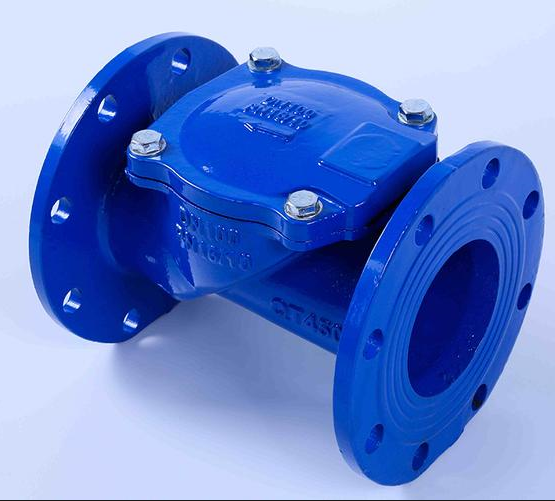
A fire check valve is a specialized non-return valve designed to allow water or fire suppression media to flow in only one direction while automatically preventing reverse flow. It is commonly installed in fire sprinkler systems, fire hydrant networks, pump discharge lines, and standpipe systems to maintain stable pressure and system integrity.
Unlike general industrial check valves, fire check valves are engineered specifically for emergency fire conditions where rapid response, zero failure tolerance, and consistent sealing performance are required.
In practical fire system design, the valve ensures that:
● Water flows from the fire pump toward sprinklers or hydrants without reversal
● System pressure is maintained even when pumps stop or pressure fluctuates
● Contaminated or pressurized backflow does not enter the main supply line
● Fire suppression systems remain ready for immediate activation
This makes it a fundamental safety component in both commercial and industrial fire protection networks.
How Does a Fire Check Valve Work in Emergency Conditions?
The working mechanism of a fire check valve is based on automatic pressure response, meaning it operates without manual intervention or external control systems.
Its operating principle can be described as follows:
● When fire pumps are activated, water pressure increases on the inlet side of the valve
● This pressure forces the internal disc or flap to open, allowing forward flow
● Water is delivered to sprinklers, hydrants, or fire suppression terminals
● When pump operation stops or downstream pressure increases, the valve closes automatically
● The sealing mechanism prevents reverse flow from entering the upstream pipeline
This automatic response is extremely important in emergency systems because fire protection networks must function instantly without operator intervention.
Why Backflow Prevention Is Critical in Fire Protection Systems
One of the most frequently searched concerns in fire system engineering is why backflow is considered so dangerous. In fire suppression systems, backflow can cause multiple operational and safety issues that compromise system readiness.
When reverse flow occurs, it can lead to:
● Loss of system pressure in critical fire zones
● Contamination of clean water supply lines
● Air or debris entering fire pump systems
● Delay in sprinkler activation during emergencies
● Potential failure of fire suppression performance
In high-rise buildings, industrial plants, and warehouse facilities, even a minor backflow event can significantly reduce the effectiveness of the entire fire protection network.
Key Types of Fire Check Valve Designs
Different fire protection applications require different structural configurations to match pressure ratings, installation space, and system design standards.
Common types include:
● Swing type fire check valve, widely used in fire pump discharge systems due to low pressure drop
● Wafer type fire check valve, designed for compact installation between flanges in space-limited systems
● Spring loaded fire check valve, providing fast closure response to prevent water hammer effects
● Dual plate fire check valve, offering improved sealing performance and reduced reverse flow risk
Each design offers specific advantages depending on hydraulic conditions and fire system requirements.
Where Are Fire Check Valves Installed in Fire Protection Systems?
Fire check valves are strategically installed at key points within fire suppression systems to ensure controlled water flow and system integrity.
Typical installation locations include:
● Fire pump discharge pipelines to prevent reverse flow into the pump
● Sprinkler system supply lines to maintain directional water distribution
● Standpipe systems in high-rise buildings for stable pressure control
● Fire hydrant branch lines to ensure reliable water delivery
● Industrial fire suppression networks in chemical and manufacturing facilities
Proper placement ensures that each section of the fire system remains isolated and protected from pressure fluctuations or backflow conditions.
What Materials Are Used in Fire Check Valve Construction?
Material selection is essential for ensuring long-term reliability, especially in systems that must remain operational for years without failure.
Common materials include:
● Ductile iron bodies for high strength and pressure resistance
● Stainless steel internal components for corrosion protection
● EPDM or NBR sealing elements for tight shut-off performance
● Epoxy-coated surfaces to protect against rust and environmental damage
In high-risk environments such as offshore platforms or chemical plants, stainless steel construction is often preferred to ensure maximum durability.
Advantages of Using Fire Check Valves in B2B Fire Systems
Fire check valves provide several operational and safety benefits that make them indispensable in modern fire protection design.
Key advantages include:
● Reliable one-way flow control to maintain system directionality
● Automatic operation without external power or manual control
● Protection of fire pumps from reverse pressure damage
● Improved system readiness during emergency activation
● Reduced maintenance requirements due to simple mechanical structure
● Compliance with fire safety standards in commercial and industrial projects
These benefits ensure that fire protection systems remain fully operational when they are needed most.
Installation Best Practices for Fire Check Valves
Correct installation is essential to ensure long-term system performance and regulatory compliance.
Recommended installation practices include:
● Installing in the correct flow direction according to system design
● Ensuring sufficient straight pipe length for stable flow conditions
● Avoiding installation in locations with excessive vibration or turbulence
● Using proper flange alignment to prevent leakage or stress damage
● Providing access space for inspection and maintenance
Improper installation can significantly reduce valve performance and compromise fire system reliability.
Why Fire Check Valves Are Becoming More Important in Modern Construction
As building safety standards become stricter and fire protection regulations continue to evolve globally, the importance of reliable fire system components is increasing significantly.
Modern construction projects demand:
● Higher fire safety compliance standards
● Faster emergency response performance
● Improved system reliability under pressure variations
● Reduced risk of system failure in critical situations
Fire check valves play a key role in meeting these requirements by ensuring that fire suppression systems remain stable, sealed, and ready for immediate operation.
Conclusion
A Fire Check Valve is a vital component in fire protection systems because it ensures one-way water flow, prevents dangerous backflow, and maintains system pressure stability during emergency conditions. Its role is essential in protecting fire pumps, sprinkler networks, and hydrant systems from hydraulic failure or contamination.
For B2B engineers, contractors, and facility managers, selecting a high-quality fire check valve is not only a technical decision but also a critical safety requirement that directly affects emergency system reliability. As fire safety standards continue to advance, the importance of dependable check valve performance will continue to grow in modern infrastructure projects.
FAQ
1. What is the main function of a fire check valve?
It allows water to flow in only one direction and prevents reverse flow in fire protection systems.
2. Where is a fire check valve commonly installed?
It is typically installed in fire pump discharge lines, sprinkler systems, hydrant networks, and standpipe systems.
3. What problems can occur without a fire check valve?
Without it, backflow may reduce system pressure, damage pumps, or compromise fire suppression performance.
4. What materials are commonly used in fire check valves?
Common materials include ductile iron bodies, stainless steel internal parts, EPDM or NBR seals, and epoxy coatings.
Post time: Jun-02-2026