




In modern industrial piping systems, maintaining fluid cleanliness is not just a performance requirement but a fundamental condition for equipment safety and process stability. The Y-type strainer is one of the most widely used filtration components in pipeline engineering, especially in European-standard systems where precision, hygiene, and operational reliability are strictly required.
Unlike complex filtration equipment, the Y-type strainer provides a simple yet highly effective mechanical solution for removing solid particles from liquids or gases before they enter sensitive downstream equipment such as pumps, valves, flow meters, and heat exchangers. Its compact Y-shaped structure makes it especially suitable for pipeline layouts with limited installation space, while still ensuring efficient filtration performance.
For B2B buyers, engineers, and system integrators, understanding how Y-type strainers work and where they should be applied is essential for improving system reliability and reducing long-term maintenance costs.
What Makes a Y-Type Strainer Different From Other Filtration Devices?
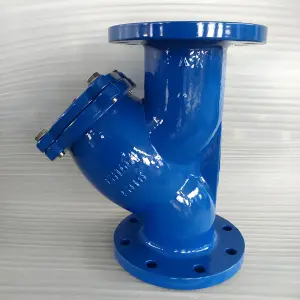
The defining characteristic of a Y-type strainer is its angled Y-shaped body design, which allows fluid to pass through the main pipeline while diverting solid particles into a filtration chamber. This structure is significantly more compact than basket-type strainers and is designed specifically for continuous operation systems where space and pressure loss must be carefully controlled.
In engineering applications, the Y-type strainer is widely selected because it provides a balance between filtration efficiency and flow stability. It does not interrupt system operation and can be installed horizontally or vertically depending on pipeline design requirements.
Its key functional behavior can be summarized through several operational principles:
● The fluid enters the strainer body and flows through an internal mesh screen
● Solid particles are trapped inside the filtration chamber
● Clean fluid continues downstream with minimal resistance
● Periodic cleaning of the screen restores filtration efficiency
● The system remains operational during maintenance in many configurations
This simple working mechanism makes it highly reliable in continuous industrial processes.
Why Is Material Selection Critical in European Standard Applications?
In European industrial environments, pipeline systems often operate under strict regulations regarding pressure resistance, corrosion control, and hygiene standards. For this reason, Y-type strainers are typically manufactured using carefully selected high-performance materials.
Common material choices include stainless steel, carbon steel, and ductile iron, depending on the application environment. Stainless steel is especially favored in food processing, pharmaceutical production, and chemical industries due to its excellent corrosion resistance and hygienic surface properties.
The importance of material selection can be understood in three major aspects:
● It directly affects resistance to corrosion in aggressive media environments
● It determines long-term pressure stability under continuous operation
● It influences compliance with European industrial safety and hygiene standards
By selecting appropriate materials, the strainer can maintain stable performance even under high temperature and chemically active conditions.
Where Are Y-Type Strainers Commonly Used in Industrial Systems?
Y-type strainers are widely applied across industries that require high fluid purity and stable system operation. Their ability to protect downstream equipment from particle contamination makes them a standard component in many pipeline designs.
Typical application industries include:
● Chemical processing plants where fluid purity affects reaction stability
● Food and beverage production systems requiring hygienic flow conditions
● Pharmaceutical manufacturing where contamination control is critical
● HVAC and thermal energy systems for protecting heat exchange efficiency
● Water treatment and distribution networks for removing suspended solids
● Industrial automation systems where flow meters require clean media
In all these environments, even small particles can cause significant operational issues, making pre-filtration essential for system reliability.
How Does the Y-Type Strainer Improve System Performance?
The primary function of a Y-type strainer is to protect downstream equipment, but its impact on overall system performance goes beyond simple filtration. By removing impurities early in the pipeline, it reduces wear on pumps and valves, improves measurement accuracy in instrumentation systems, and enhances heat transfer efficiency in thermal systems.
In practical engineering terms, its benefits include:
● Reducing mechanical wear on pumps caused by solid particles
● Preventing blockage in control valves and regulating devices
● Improving accuracy of flow measurement instruments
● Enhancing heat exchanger performance by maintaining clean fluid surfaces
● Reducing unplanned downtime caused by system contamination
These advantages contribute directly to lower maintenance costs and longer equipment lifespan, making it a cost-effective investment for industrial operators.
Why Is the Compact Y-Shaped Structure So Important?
One of the main engineering advantages of the Y-type strainer is its compact design. Unlike larger basket strainers that require significant installation space and pressure drop considerations, the Y-shaped structure allows it to be integrated directly into pipelines with minimal modification.
This design is particularly valuable in European industrial systems where space constraints and modular pipeline layouts are common. The angled structure also helps maintain smoother flow characteristics, reducing turbulence and ensuring more stable system operation.
Key structural benefits include:
● Compact installation suitable for tight pipeline layouts
● Lower pressure loss compared to larger filtration systems
● Flexible installation orientation in horizontal or vertical pipelines
● Simplified maintenance due to accessible screen design
How Do European Standards Influence Y-Type Strainer Design?
European pipeline systems often require strict compliance with standardized engineering specifications, including pressure ratings, flange compatibility, and material certification. As a result, Y-type strainers designed for these markets must meet specific structural and performance requirements.
These requirements ensure:
● Compatibility with European-standard pipeline flanges and dimensions
● Reliable performance under specified pressure and temperature ranges
● Compliance with industrial safety and quality assurance regulations
● Consistent manufacturing precision for large-scale industrial deployment
This standardization ensures that Y-type strainers can be easily integrated into global industrial systems without modification.
Why Y-Type Strainers Remain a Standard Choice in Industrial Engineering
Despite advancements in automated filtration technologies, Y-type strainers continue to be widely used due to their simplicity, reliability, and cost efficiency. Their passive design requires no external power source, making them highly dependable in continuous operation systems.
They are particularly valued in industries where:
● System uptime is critical
● Maintenance access is limited
● Fluid quality must remain stable
● Pressure loss must be minimized
● Equipment protection is a priority
These characteristics ensure that Y-type strainers remain a foundational component in modern pipeline engineering.
Conclusion
A Y-type strainer is a compact and efficient filtration device designed to protect industrial pipeline systems from solid particle contamination. With its Y-shaped structure, durable material construction, and compatibility with European standards, it plays a vital role in ensuring fluid purity and system reliability across chemical, pharmaceutical, food, and industrial applications.
For engineers and B2B procurement professionals, selecting the right Y-type strainer is not only about filtration efficiency but also about ensuring long-term system stability, reducing maintenance costs, and maintaining compliance with international engineering standards.
FAQ
1. What is the main function of a Y-type strainer?
A Y-type strainer removes solid particles from fluid in pipelines to protect pumps, valves, and other downstream equipment.
2. Why is it called a Y-type strainer?
It is named after its Y-shaped body design, which allows fluid to flow while trapping impurities in a side chamber.
3. Can a Y-type strainer be used in both horizontal and vertical pipelines?
Yes, depending on system design, it can be installed in either orientation as long as flow direction is correctly maintained.
4. How often should a Y-type strainer be cleaned?
Cleaning frequency depends on fluid quality and operating conditions, but regular inspection is recommended to prevent clogging and maintain efficiency.
Post time: Jun-16-2026