




In industrial pipelines and fluid handling systems, maintaining clean flow is critical for protecting equipment and ensuring long-term operational efficiency. Even small particles such as debris, rust, or scale can damage pumps, valves, and meters, leading to costly downtime and repairs. The Y-Type Strainer is a simple yet highly effective filtration device designed to remove unwanted solids from flowing media, making it an indispensable component in modern B2B pipeline systems.
For engineers, contractors, and procurement professionals, understanding the role of Y-type strainers helps improve system reliability, reduce maintenance costs, and extend equipment lifespan.
What Is a Y-Type Strainer?
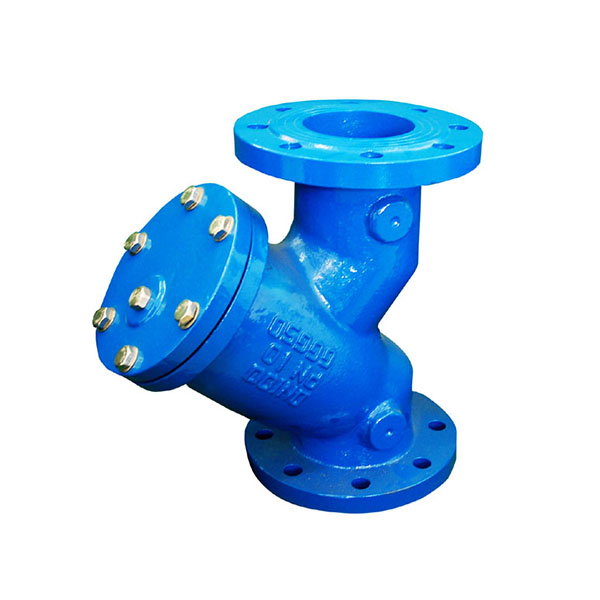
A Y-type strainer is a mechanical filtration device installed in pipelines to capture solid particles from liquids, gases, or steam. Its name comes from its Y-shaped body design, which allows debris to collect in a mesh or perforated screen without significantly obstructing flow.
The strainer operates by directing the flow through a filter element. Solid particles are trapped inside the screen, while clean fluid continues downstream. Over time, the accumulated debris can be removed through cleaning or maintenance.
Key structural elements include:
● Strainer Body – Typically made from cast iron, ductile iron, carbon steel, or stainless steel
● Filter Screen – A mesh or perforated element that captures impurities
● Blow-Off Plug or Valve – Allows removal of accumulated debris
● Cover or Cap – Provides access for cleaning and maintenance
● Sealing Components – Ensures leak-free operation
This straightforward design makes Y-type strainers easy to install and maintain in a wide range of applications.
How a Y-Type Strainer Works
The working principle of a Y-type strainer is based on mechanical filtration. As fluid enters the strainer, it is forced through the filter screen. Any solid particles larger than the mesh size are trapped inside the strainer chamber.
● Flow enters through the inlet and passes through the screen
● Solid contaminants are retained within the filter element
● Clean fluid exits through the outlet
● Debris accumulates in the lower chamber
● Periodic cleaning restores full flow capacity
This continuous filtration process helps maintain system efficiency without interrupting operation.
Why Y-Type Strainers Are Important in Pipeline Systems
Contaminants in pipelines can cause significant operational issues if not properly managed. Installing a Y-type strainer helps prevent these problems.
● Protects downstream equipment such as pumps and valves
● Reduces wear and tear caused by abrasive particles
● Prevents clogging in control valves and small passages
● Improves overall system efficiency and reliability
● Minimizes maintenance frequency and downtime
In B2B applications, these benefits translate into lower operational costs and improved productivity.
Types of Y-Type Strainers
Y-type strainers are available in various configurations to suit different operating conditions and industries.
● Cast Iron Y-Strainer – Suitable for water systems and general industrial use
● Stainless Steel Y-Strainer – Ideal for corrosive or hygienic applications
● Flanged Y-Strainer – Designed for large-diameter pipelines
● Threaded Y-Strainer – Used in smaller piping systems
● High-Pressure Y-Strainer – Engineered for steam and high-pressure applications
Selecting the right type ensures optimal performance and compatibility with the system.
Applications Across Industries
Y-type strainers are widely used in industries where fluid cleanliness is critical for system performance.
● Water Treatment Plants – Removes debris from water supply systems
● Oil and Gas Industry – Protects pipelines and processing equipment
● Chemical Processing – Filters impurities from reactive fluids
● HVAC Systems – Maintains clean flow in heating and cooling systems
● Power Plants – Ensures efficient operation of steam and cooling systems
● Food and Beverage Industry – Supports hygienic fluid handling
Their versatility makes them a standard component in many industrial applications.
Advantages for B2B Buyers
For industrial procurement and engineering teams, Y-type strainers provide several important benefits.
● Simple design ensures easy installation and maintenance
● Durable materials support long-term operation
● Cost-effective solution for equipment protection
● Minimal pressure drop when properly sized
● Compatible with a wide range of fluids and systems
These advantages make Y-type strainers a practical investment for improving system reliability.
Installation Considerations
Proper installation is essential to maximize the effectiveness of a Y-type strainer.
● Install in the correct flow direction as indicated on the body
● Position the strainer so debris collects in the lower chamber
● Ensure adequate space for maintenance access
● Use appropriate sealing materials to prevent leakage
● Avoid installation in positions that trap air or restrict flow
Correct installation helps maintain filtration efficiency and prevent operational issues.
Maintenance and Cleaning
Regular maintenance ensures the strainer continues to perform effectively.
● Inspect the filter screen periodically for blockage
● Clean or replace the screen as needed
● Use blow-off valves to remove debris without dismantling
● Monitor pressure drop across the strainer
● Schedule maintenance based on system conditions
Routine cleaning helps maintain optimal flow and prevents system disruption.
Y-Type Strainer vs Basket Strainer
Understanding the difference between Y-type and basket strainers helps in selecting the right filtration solution.
● Y-type strainers are compact and suitable for limited space
● Basket strainers offer larger filtration capacity
● Y-type strainers are ideal for high-pressure systems
● Basket strainers are easier to clean in large-volume applications
The choice depends on pipeline size, flow rate, and maintenance requirements.
Conclusion
The Y-Type Strainer is a vital component for maintaining clean and efficient pipeline systems. By removing solid contaminants from flowing media, it protects equipment, improves performance, and reduces maintenance costs.
For B2B professionals, incorporating high-quality Y-type strainers into pipeline design ensures long-term reliability and operational efficiency. As industrial systems become more complex, the importance of effective filtration solutions like Y-type strainers continues to grow.
FAQ
1. What is the main function of a Y-type strainer?
It removes solid particles from fluids to protect downstream equipment and maintain system efficiency.
2. Where should a Y-type strainer be installed?
It is typically installed upstream of pumps, valves, and other sensitive equipment.
3. How often should a Y-type strainer be cleaned?
Cleaning frequency depends on system conditions, but regular inspection is recommended.
4. What is the difference between a Y-type strainer and a basket strainer?
Y-type strainers are compact and suitable for high-pressure systems, while basket strainers offer higher capacity and easier maintenance.
Post time: Apr-23-2026