




In modern pipeline engineering, system efficiency is not determined only by pumps, pipes, or pressure ratings, but also by how effectively the system handles trapped air. Air accumulation inside pipelines is one of the most common yet underestimated causes of performance loss, pressure instability, and long-term equipment damage. This is why the Air Relief Valve has become a standard component in water supply networks, wastewater systems, irrigation pipelines, and industrial fluid transport systems.
For B2B engineers, contractors, and procurement specialists, understanding how an air relief valve works and why it is required can significantly improve system design decisions and reduce long-term operational risks.
What Problems Does Air in Pipelines Actually Cause?
One of the most frequently searched questions in pipeline engineering is why air is so harmful to fluid systems. Air does not behave like liquid; it compresses, expands, and moves unpredictably inside pressurized pipelines, which creates multiple operational challenges.
When air is trapped in a pipeline, it can directly affect system performance in several ways:
● It reduces effective flow capacity by occupying internal pipe volume that should be used for liquid transport
● It increases pump energy consumption because pumps must work harder against irregular air pockets
● It creates unstable pressure conditions due to compression and expansion of air pockets
● It contributes to water hammer effects when air suddenly shifts within the pipeline
● It accelerates wear on valves, pumps, and fittings due to repeated pressure fluctuations
These issues often develop gradually, making them difficult to detect until system efficiency noticeably drops or equipment failures occur.
How Does an Air Relief Valve Work in Real Pipeline Conditions?
An air relief valve is designed to automatically remove small volumes of air that accumulate during normal pipeline operation. Unlike manual venting systems or large air release valves used during filling and draining, this valve works continuously without operator intervention.
Its working principle is based on a simple but highly effective mechanical process:
● Air accumulates at high points inside the valve chamber during operation
● As air volume increases, the liquid level inside the valve decreases
● A float mechanism responds to the liquid level drop by opening the discharge orifice
● Trapped air is released automatically into the atmosphere
● Once air is discharged, liquid re-enters the chamber and raises the float
● The valve closes again, restoring a sealed system condition
This cycle repeats continuously, ensuring that air does not accumulate to harmful levels inside the pipeline.
Where Should Air Relief Valves Be Installed for Maximum Efficiency?
Another common engineering question is related to installation location, since improper placement can significantly reduce valve effectiveness.
Air relief valves are most effective when installed at locations where air naturally collects due to pipeline geometry and flow behavior.
Typical installation points include:
● High elevation points in pipeline systems where air naturally rises and accumulates
● Downstream sections near pumping stations where pressure changes frequently occur
● Long horizontal pipeline segments where air pockets can gradually form
● Areas where flow direction changes or elevation drops occur
Correct installation ensures that air is removed before it can form large pockets that disrupt system performance.
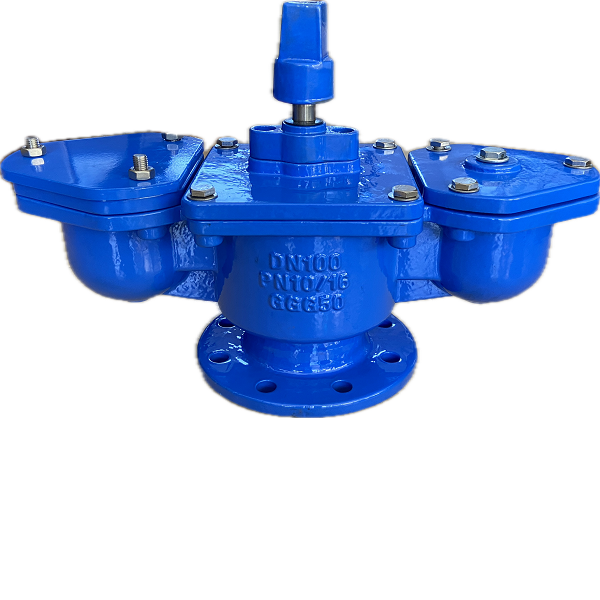
What Are the Key Advantages of Using an Air Relief Valve?
From a system performance perspective, air relief valves provide several measurable benefits that directly impact operational efficiency and maintenance costs.
These advantages include:
● Improved hydraulic efficiency by maintaining full pipe flow conditions
● Reduced energy consumption due to stable pumping conditions
● Enhanced pressure stability across the entire pipeline system
● Lower risk of water hammer damage caused by sudden air movement
● Extended equipment lifespan due to reduced mechanical stress
● Reduced maintenance frequency in long-term operation
These benefits are especially important in large-scale municipal water systems and industrial fluid networks where downtime and inefficiency can lead to significant financial losses.
What Materials Are Commonly Used in Air Relief Valves?
Material selection plays a critical role in determining the durability and performance of air relief valves, especially in corrosive or high-pressure environments.
Common material configurations include:
● Ductile iron or cast iron valve bodies for structural strength
● Stainless steel internal components for corrosion resistance
● EPDM or NBR sealing elements depending on fluid compatibility
● Epoxy-coated surfaces to protect against internal and external corrosion
In more aggressive environments such as wastewater systems or coastal installations, stainless steel construction is often preferred to extend service life.
What Is the Difference Between Air Relief Valves and Air Release Valves?
A frequently searched technical question is the difference between air relief valves and air release valves, as they are often confused.
Although both are used for air management, their functions are different:
● Air relief valves are designed for continuous removal of small air volumes during normal operation
● Air release valves are designed for larger air discharge during pipeline filling or draining
● Combination air valves integrate both functions for full-cycle air control
Understanding this distinction is important when designing or upgrading pipeline systems, as incorrect selection can lead to inefficient air management.
How Should Air Relief Valves Be Maintained?
Although air relief valves are designed for automatic operation with minimal intervention, periodic maintenance is still necessary to ensure long-term reliability.
Recommended maintenance practices include:
● Inspecting float movement to ensure free and responsive operation
● Cleaning internal chambers to remove sediment or debris buildup
● Checking sealing components for wear or leakage
● Verifying discharge orifice is not blocked
● Monitoring corrosion conditions in high-humidity environments
Proper maintenance ensures consistent air removal performance and reduces the risk of unexpected system inefficiencies.
Why Are Air Relief Valves Becoming More Important in Modern Infrastructure?
With increasing global investment in water infrastructure, energy efficiency, and smart pipeline systems, air management has become a key design consideration rather than a secondary concern.
Modern pipeline systems are expected to operate with higher efficiency, lower energy consumption, and reduced maintenance requirements. In this context, air relief valves play an increasingly important role because they directly contribute to:
● Improved system efficiency
● Reduced operational costs
● Enhanced infrastructure reliability
● Longer service life of mechanical components
● Better performance in automated water networks
As infrastructure systems become more complex, the importance of effective air control will continue to increase.
Conclusion
An Air Relief Valve is a critical component in modern pipeline systems because it continuously removes trapped air that would otherwise reduce efficiency, increase energy consumption, and destabilize pressure conditions. By maintaining stable hydraulic performance, these valves help ensure long-term reliability across water supply, industrial processing, irrigation, and wastewater systems.
For B2B engineers and procurement professionals, selecting a properly designed air relief valve is not just a component choice but a system optimization decision that directly impacts operational cost and infrastructure performance. As global pipeline networks continue to expand and modernize, air relief valves will remain an essential part of efficient fluid management systems.
FAQ
1. Why is air in pipelines a serious problem?
Because it reduces flow capacity, increases energy consumption, causes pressure instability, and can lead to water hammer damage.
2. What is the main function of an air relief valve?
It automatically removes small amounts of trapped air from pipelines during normal system operation.
3. Where should an air relief valve be installed?
It should be installed at high points, pump stations, and other locations where air naturally accumulates in the pipeline.
4. What is the difference between an air relief valve and an air release valve?
An air relief valve removes small continuous air pockets, while an air release valve handles larger air volumes during filling or draining operations.
Post time: May-28-2026